The global wearable technology market is entering a new phase of evolution as tech giants Apple, Google, and Meta accelerate their push into next-generation wearable gadgets. What began with fitness trackers and smartwatches has now expanded into a broader ecosystem of AI-powered wearables, smart glasses, health-focused devices, and mixed-reality hardware. These companies are no longer competing only on hardware features; they are shaping the future of how humans interact with technology in everyday life.
As consumer interest shifts toward immersive, intelligent, and health-centric devices, wearables are becoming more personal, predictive, and powerful than ever before.
The Evolution of Wearable Technology
Wearable gadgets were once limited to basic step counters and heart-rate monitors. Over the past decade, they have transformed into sophisticated tools capable of tracking health metrics, enabling communication, and delivering immersive digital experiences. Advances in artificial intelligence (AI), sensor technology, battery efficiency, and miniaturization have fueled this transformation.
Today’s wearables are no longer just accessories; they are extensions of the human body, designed to collect data, interpret behavior, and deliver real-time insights. Apple, Google, and Meta are leading this transformation by integrating wearables deeply into their broader ecosystems of software, services, and platforms.
Apple: Redefining Health and Personal Computing
Apple has consistently positioned itself as a leader in wearable innovation, primarily through the Apple Watch and AirPods. The company’s focus on health, privacy, and seamless ecosystem integration has made its wearables some of the most widely adopted in the world.
Apple Watch: Beyond Fitness Tracking
What began as a smartwatch has evolved into a powerful health companion. The Apple Watch now tracks heart rhythm irregularities, blood oxygen levels, sleep patterns, and physical activity with clinical-grade precision. Apple’s long-term vision appears to extend toward preventive healthcare, where wearables help detect potential health risks before symptoms arise.
Apple is also investing heavily in AI-driven health insights, enabling the device to provide personalized recommendations based on long-term data trends rather than isolated measurements.
Vision Pro and Spatial Wearables
With the launch of Apple Vision Pro, Apple signaled its entry into spatial computing. While not a traditional wearable like a watch, Vision Pro represents Apple’s ambition to redefine human-computer interaction through augmented and mixed reality. The company envisions a future where digital content seamlessly blends with the physical world, powered by intuitive gestures, eye tracking, and voice commands.
Apple’s strategy suggests that wearables will move beyond screens on wrists to immersive, environment-aware devices.
Google: AI-First Wearables and Smart Ecosystems
Google’s approach to wearables centers around AI intelligence and software integration. With platforms like Wear OS and acquisitions in the wearable space, Google is building a foundation that prioritizes smart assistance and contextual awareness.
Pixel Watch and Wear OS Expansion
Google’s Pixel Watch represents its attempt to tightly integrate hardware with AI-powered services such as Google Assistant, Maps, and Health tools. The focus is on real-time usefulness—navigation, reminders, health tracking, and contextual alerts—delivered seamlessly through the wrist.
By expanding Wear OS partnerships with multiple hardware manufacturers, Google aims to create a diverse ecosystem where innovation is driven both by Google and its partners.
Smart Glasses and Ambient Computing
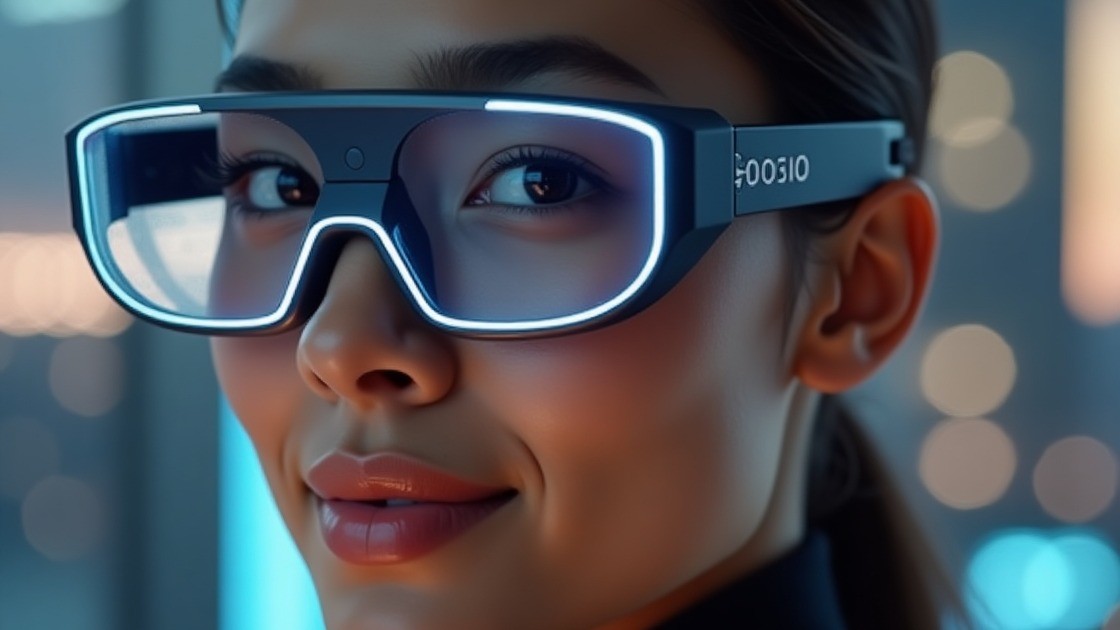
Google is also revisiting smart glasses, learning from earlier attempts and focusing on subtle, utility-driven experiences. The vision is to create wearables that deliver information without demanding attention, enabling users to access directions, translations, or notifications effortlessly.
This aligns with Google’s broader concept of ambient computing, where technology fades into the background and assists users naturally.
Meta: Building the Future of Social and Immersive Wearables
Meta’s wearable strategy is deeply tied to its vision of the metaverse—a shared digital space where people interact through immersive experiences. Unlike Apple and Google, Meta is focusing heavily on AR, VR, and social connectivity.
Smart Glasses and Everyday Wearables
Meta’s smart glasses initiatives aim to blend technology with everyday fashion. These devices focus on hands-free communication, content capture, and AI assistance. By integrating cameras, microphones, and AI, Meta envisions glasses that act as personal digital companions.
The goal is to make wearables socially acceptable, lightweight, and seamlessly connected to social platforms.
Virtual Reality and Mixed Reality Devices
Meta’s VR and mixed-reality headsets represent a bold attempt to redefine entertainment, work, and social interaction. These devices are evolving rapidly, becoming lighter, more powerful, and more immersive.
Meta sees wearables as gateways to digital worlds, enabling users to attend virtual meetings, socialize, play games, and create content in entirely new ways.
AI: The Driving Force Behind Next-Generation Wearables
Across all three companies, artificial intelligence is the common thread shaping the future of wearables. AI enables devices to move from passive data collection to active intelligence—predicting needs, understanding context, and offering meaningful insights.
Wearables powered by AI can analyze long-term patterns, detect anomalies, and adapt to individual behavior. This shift transforms gadgets into personal assistants, capable of enhancing productivity, wellness, and daily decision-making.
Health, Privacy, and Ethical Considerations
As wearables become more powerful, concerns around data privacy, security, and ethical use are growing. Health data is deeply personal, and companies must balance innovation with responsibility.
Apple emphasizes on-device processing and user control, Google focuses on transparency and data management, while Meta faces scrutiny over how personal data intersects with social platforms. The future success of wearable technology will depend not only on innovation but also on trust.
The Road Ahead: A Wearable-First Future
The expansion of Apple, Google, and Meta into next-generation wearables signals a shift toward a wearable-first computing era. Screens may become optional, replaced by voice, gestures, and immersive interfaces. Health monitoring may become continuous rather than reactive. Social interaction may extend beyond physical boundaries into shared digital spaces.
As these companies compete and collaborate, consumers stand to benefit from smarter, more personalized, and more intuitive devices. However, the challenge will be ensuring that technology enhances human life without overwhelming it.
Conclusion
Apple, Google, and Meta are not just building gadgets—they are redefining how humans interact with technology. Their push into next-generation wearable devices reflects a future where technology is always present, deeply personal, and intelligently adaptive.
As wearables evolve from accessories to essential tools, the coming years will determine how seamlessly these devices integrate into daily life. One thing is clear: the future of technology will not just be in our pockets—it will be worn, experienced, and lived.