Travel has always been associated with relaxation, sightseeing, and escaping daily routines. But today, the way people travel is changing. Modern travellers are no longer satisfied with simply clicking photos at popular landmarks or staying in luxury hotels. Instead, they are seeking meaningful experiences -experiences that allow them to grow, learn, and return home with more than just memories.
This shift has given rise to a powerful new trend in the travel industry: Skillcations.
A skillcation is a blend of “skills” and “vacation”, where travel is intentionally designed around learning something new or improving an existing skill. Whether it’s mastering local cuisine in Italy, learning yoga in Rishikesh, practicing photography in Iceland, or picking up pottery in a small Japanese town, skillcations transform travel into a tool for personal development.
In a world driven by self-improvement and experiences over possessions, skillcations are redefining what it means to travel.
Why Skillcations Are Gaining Popularity
Several cultural and lifestyle shifts are fuelling the rise of skillcations.
1. Experience Over Luxury
Today’s travellers value authentic experiences more than five-star amenities. Learning directly from locals, participating in workshops, and engaging with communities create deeper emotional connections than luxury alone ever could.
2. Burnout and the Need for Purpose
With increasing work stress and digital overload, people want vacations that restore their sense of purpose. Skillcations provide mental stimulation and fulfilment, making travellers feel refreshed rather than disconnected.
3. The Rise of Lifelong Learning
Learning is no longer limited to classrooms or early career stages. People now see learning as a lifelong journey and travel offers the perfect environment for immersive education.
4. Social Media and Personal Branding
Sharing experiences like “learning sushi from a Japanese chef” or “studying ceramics in Portugal” is far more compelling than posting generic beach photos. Skillcations align perfectly with storytelling and personal branding.
What Makes a Skillcation Different from a Regular Vacation?
Unlike traditional vacations that focus on relaxation or sightseeing, skillcations are intentional. They are built around a structured learning experience while still allowing room for exploration and enjoyment.
Key characteristics include:
- Hands-on learning from experts or locals
- Small group or solo experiences
- Cultural immersion
- A balance between leisure and structured activity
- Long-lasting personal or professional value
A skillcation doesn’t feel rushed or superficial. Instead, it encourages slowing down, focusing deeply, and engaging fully with the destination.
Popular Types of Skillcations
Skillcations come in many forms, appealing to different interests and goals.
1. Culinary Skillcations
Food is one of the most powerful cultural connectors. Culinary skillcations allow travellers to:
- Learn traditional cooking techniques
- Explore local markets
- Understand food history and sustainability
Destinations like Italy, Thailand, Mexico, and India are particularly popular for culinary learning experiences.
2. Wellness and Mindfulness Skillcations
Wellness-focused skillcations include yoga, meditation, Ayurveda, breathwork, and holistic healing practices. These trips help travellers develop tools for mental clarity, physical health, and emotional balance.
Places like Bali, Rishikesh, Nepal, and Costa Rica have become global wellness hubs.
3. Creative Skillcations
From photography and painting to writing and music, creative skillcations allow individuals to unlock their artistic potential. Traveling to visually or culturally rich locations often enhances creativity and inspiration.
Examples include:
- Photography in Iceland or Ladakh
- Writing retreats in the countryside
- Painting workshops in European art towns
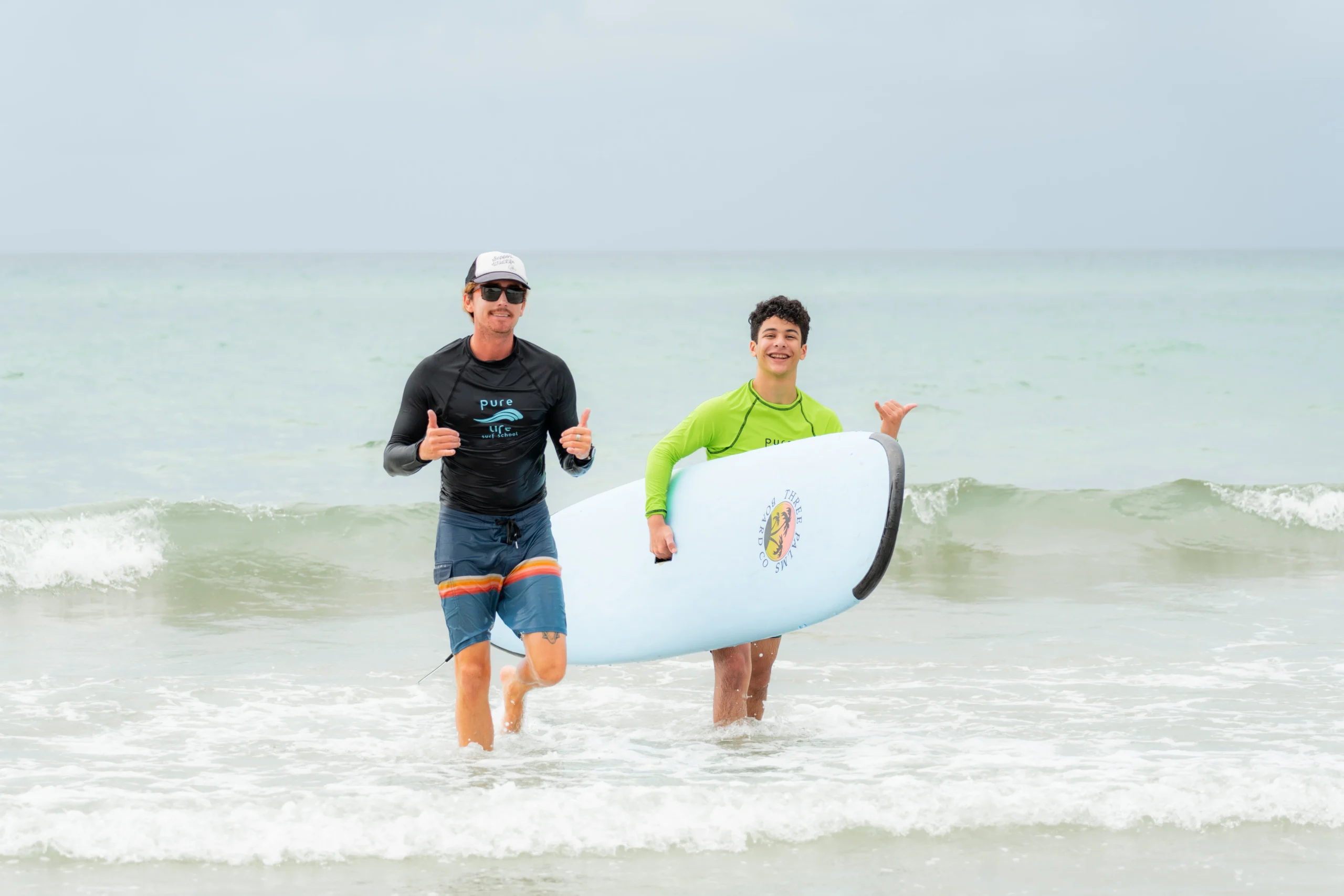
4. Adventure and Survival Skillcations
For those who prefer action, adventure skillcations focus on:
- Trekking and mountaineering skills
- Scuba diving certifications
- Wildlife tracking
- Outdoor survival training
These experiences build confidence, resilience, and physical strength.
5. Craft and Cultural Skillcations
Learning traditional crafts directly from artisans helps preserve heritage while offering travellers a meaningful takeaway. Pottery, weaving, calligraphy, woodworking, and textile arts are increasingly popular.
Such skillcations foster respect for local cultures and sustainable tourism.
The Psychological Benefits of Skillcations
Skillcations are not just trendy they are deeply impactful on mental and emotional well-being.
1. Boosted Confidence
Learning a new skill in an unfamiliar environment pushes people out of their comfort zones. Successfully mastering something new builds self-confidence that carries into everyday life.
2. Improved Focus and Mindfulness
Skill-based learning requires presence and attention. This naturally reduces stress and helps people disconnect from digital distractions.
3. Stronger Sense of Achievement
Unlike passive vacations, skillcations provide tangible outcomes—skills, certificates, creations, or personal growth which make the experience feel more rewarding.
4. Deeper Emotional Fulfilment
When travel aligns with personal values and interests, it creates long-lasting satisfaction rather than short-term excitement.
Skillcations and Sustainable Tourism
One of the most important aspects of skillcations is their positive impact on sustainable tourism.
- They support local instructors, artisans, and small communities
- They encourage longer stays rather than quick, high-impact visits
- They promote cultural respect and preservation
- They reduce over-tourism by shifting focus from crowded landmarks to meaningful experiences
Skillcations create a win-win model where travellers gain skills and destinations gain economic and cultural support.
Who Are Skillcations For?
Skillcations appeal to a wide range of travellers:
- Young professionals seeking personal development
- Entrepreneurs and freelancers combining travel with skill building
- Students and career switchers exploring new interests
- Retirees pursuing lifelong learning
- Solo travellers looking for purpose-driven journeys
Age is no barrier—curiosity is the only requirement.
How to Plan a Successful Skillcation
To make the most of a skillcation, thoughtful planning is essential.
1. Identify Your Goal
Ask yourself:
- What do I want to learn or improve?
- Is this for personal fulfillment or professional growth?
Clear goals help in choosing the right destination and program.
2. Choose the Right Destination
The environment should support your learning. For example, learning yoga in a spiritual setting or photography in a visually rich landscape enhances the experience.
3. Research Instructors and Programs
Look for authentic, experienced mentors rather than mass-marketed experiences. Reviews, certifications, and community involvement matter.
4. Balance Learning and Leisure
A good skillcation allows time for rest, exploration, and reflection alongside structured learning.
The Future of Skillcations
As travel continues to evolve, skillcations are expected to become even more popular. With remote work, flexible schedules, and growing interest in self-improvement, people are rethinking how they use their time away from home.
In the future, we can expect:
- AI-assisted personalized skillcation planning
- Hybrid work-and-learn travel programs
- Corporate-sponsored skillcations for employee growth
- Increased demand for niche, specialized learning experiences
Skillcations are not a passing trend they represent a deeper shift in how people define success, happiness, and travel itself.
Conclusion: Travel That Transforms You
Skillcations prove that travel can be more than an escape it can be a transformation. By combining exploration with education, they allow travellers to return home with new abilities, broader perspectives, and a stronger sense of self.
In a world that moves fast, skillcations encourage slowing down, learning deeply, and traveling with intention. They remind us that the most valuable souvenirs are not things we buy—but skills we carry with us for life.
If travel is a journey, then skillcations ensure it’s a journey worth growing from.