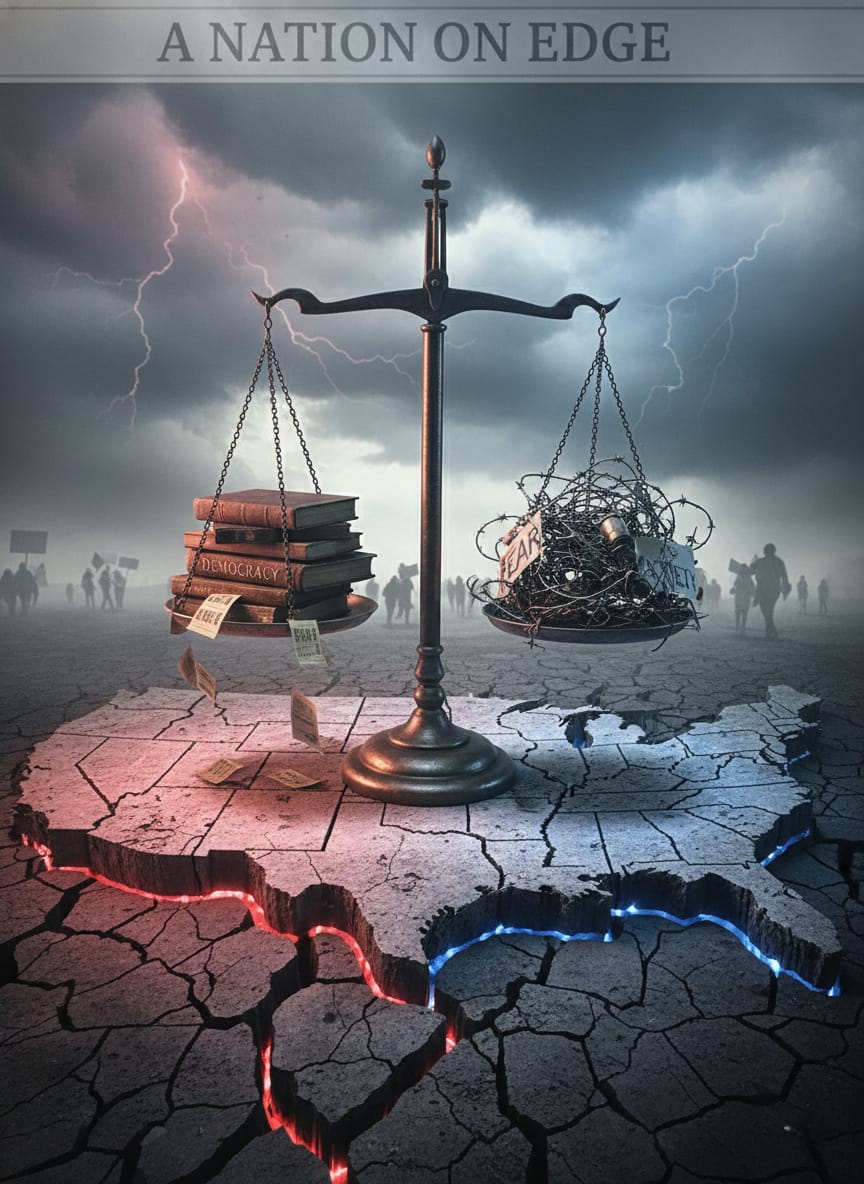
Introduction: A Nation on Edge
Political concern in the United States has reached an unprecedented level. Surveys, public discourse, and everyday conversations reveal a nation deeply anxious about its political system, leadership, and future direction. Unlike earlier periods when economic issues, wars, or social movements dominated public worry, today politics itself has become the primary source of stress and uncertainty for millions of Americans.
This heightened concern is not limited to one political party or demographic group. Conservatives, liberals, and independents alike express declining trust in institutions, fear of democratic erosion, and frustration with political polarization. The U.S., often viewed as a stable democracy, is now grappling with questions about governance, legitimacy, and civic cohesion.
This article explores why political concern has intensified, the key drivers behind public anxiety, its impact on society and democracy, and what the future may hold for American politics.
1. Understanding Heightened Political Concern
Heightened political concern refers to a widespread perception that the political system is dysfunctional, unstable, or failing to address citizens’ needs. In the U.S., this manifests in several ways:
- Growing distrust in government institutions
- Fear of democratic backsliding
- Increased political hostility and division
- Anxiety about elections and political violence
- Cynicism about political leadership
What makes the current moment unique is that politics itself is seen as the problem, rather than a tool for solving problems.
2. Declining Trust in Democratic Institutions
Erosion of Institutional Confidence
One of the strongest contributors to political concern is the sharp decline in trust in institutions such as:
- Congress
- The Presidency
- The Supreme Court
- Federal agencies
- Electoral systems
Many Americans believe these institutions are ineffective, biased, or captured by special interests. Congressional approval ratings remain historically low, and even traditionally respected bodies like the judiciary face growing scepticism.
Perception of Corruption and Elite Control
A widespread belief exists that political decisions favour wealthy donors, corporations, and political elites rather than ordinary citizens. This perception—whether fully accurate or not—has deepened feelings of alienation and resentment.
3. Extreme Political Polarization
Ideological and Emotional Divides
The U.S. is experiencing not just ideological polarization but emotional and social polarization. Political identity has become deeply personal, often tied to moral values, lifestyle choices, and social belonging.
People increasingly view members of the opposing party not simply as wrong, but as dangerous or un-American. This mindset fuels fear, anger, and mistrust.
“Us vs. Them” Politics
Media narratives, political rhetoric, and online discourse reinforce an “us vs. them” mentality. Compromise is often portrayed as weakness, and cooperation across party lines is rare.
As a result, many Americans feel trapped in a political system that thrives on conflict rather than solutions.
4. Election Anxiety and Democratic Legitimacy
Fear Around Election Integrity
Recent election cycles have intensified public anxiety. Concerns include:
- Allegations of voter fraud
- Disputes over election results
- Legal battles over voting laws
- Fear of election interference
Even when elections function properly, public confidence in outcomes has weakened, creating uncertainty and instability.
Peaceful Transfer of Power Under Question
The peaceful transfer of power—a cornerstone of American democracy—is no longer taken for granted. Political concern spikes whenever elections approach, as citizens worry about legitimacy, unrest, or institutional breakdown.
5. Media, Misinformation, and Information Overload
24/7 Political Coverage
The modern media environment constantly amplifies political conflict. News channels, social media platforms, and online outlets prioritize outrage, controversy, and sensationalism because it drives engagement.
This non-stop exposure increases stress and reinforces negative perceptions of politics.
Spread of Misinformation
False or misleading information spreads rapidly online, often blurring the line between fact and opinion. Misinformation:
- Undermines trust
- Deepens polarization
- Fuels conspiracy thinking
- Confuses voters
Many Americans struggle to identify reliable sources, leading to frustration and disengagement.
6. The Role of Social Media in Political Anxiety
Social media platforms play a significant role in shaping political concern.
Echo Chambers and Algorithmic Bias
Algorithms tend to show users content that aligns with their existing beliefs, creating echo chambers. This reinforces extreme views and reduces exposure to alternative perspectives.
Online Hostility and Harassment
Political discussions online are often hostile, aggressive, and dehumanizing. Constant exposure to conflict contributes to emotional exhaustion and political burnout.
For younger generations especially, politics feels overwhelming, toxic, and unavoidable.
7. Economic Insecurity and Political Blame
Cost of Living and Inequality
Rising costs of living, housing shortages, healthcare expenses, and student debt have created economic stress. Many Americans blame political leaders for failing to address these challenges.
Global Uncertainty and Domestic Politics
Global events—wars, inflation, supply chain disruptions—intersect with domestic politics, increasing anxiety. Citizens worry about whether their government is capable of managing complex global challenges.
Economic fear often translates into political frustration.
8. Cultural and Social Change as Political Stressors
Shifting Social Norms
Rapid changes related to race, gender, immigration, and identity have become deeply politicized. For some, these changes represent progress; for others, they feel disorienting or threatening.
Political leaders often exploit these tensions, turning cultural debates into political battlegrounds.
Fear of Losing National Identity
A recurring theme in American political concern is the fear that the country is losing its core values or identity. Different groups define “America” differently, leading to intense ideological conflict.
9. Impact on Civic Engagement
Political Burnout and Withdrawal
Ironically, heightened political concern does not always lead to greater participation. Many Americans experience:
- Political fatigue
- Cynicism
- Disengagement
- Avoidance of political discussions
When politics feels toxic and hopeless, people withdraw.
Decline in Constructive Dialogue
Civil discourse has suffered. Productive conversations across political differences are increasingly rare, weakening democratic culture.
10. Mental Health Consequences
Politics as a Source of Stress
Politics has become a significant mental health stressor. People report:
- Anxiety before elections
- Anger after political news
- Strained relationships
- Sleep disturbances
For some, constant political tension affects daily well-being.
Social Relationships Under Strain
Families, friendships, and workplaces are divided by political disagreements. Many people avoid discussing politics altogether to preserve relationships.
11. Rise of Independent and Anti-Establishment Sentiment
Disillusionment with Traditional Parties
A growing number of Americans identify as independents, reflecting dissatisfaction with both major parties. This trend signals a crisis of representation.
Populism and Outsider Appeal
Anti-establishment candidates and movements gain traction by tapping into frustration, anger, and distrust. While this can energize voters, it can also increase instability and uncertainty.
12. Long-Term Risks to Democracy
Heightened political concern carries serious long-term risks:
- Erosion of democratic norms
- Reduced faith in elections
- Acceptance of authoritarian solutions
- Political violence or unrest
- Weakening of rule of law
When citizens lose faith in democratic processes, democracy itself becomes fragile.
13. Signs of Hope and Resilience
Despite the challenges, there are reasons for cautious optimism.
Civic Awareness Is High
People care deeply about politics because they care about the future. High concern reflects engagement, not apathy.
Grassroots Movements and Local Action
Many Americans are turning to local governance, community organizing, and issue-based activism. These efforts strengthen democracy from the ground up.
Calls for Reform
There is growing support for reforms such as:
- Campaign finance reform
- Electoral reforms
- Media accountability
- Civic education
These conversations indicate a desire for improvement rather than collapse.
14. The Road Ahead: What Can Reduce Political Anxiety?
Rebuilding Trust
Trust can be rebuilt through transparency, accountability, and consistent democratic behavior from leaders and institutions.
Encouraging Civil Discourse
Promoting respectful dialogue, media literacy, and empathy can reduce polarization and fear.
Strengthening Civic Education
A better understanding of democratic processes helps citizens feel more empowered and less anxious.
Responsible Media Consumption
Reducing exposure to sensationalist content and seeking diverse, credible sources can lower political stress.
Conclusion: A Critical Moment for American Democracy
Heightened political concern in the United States is a defining feature of the current era. It reflects deep structural issues—polarization, mistrust, economic insecurity, and rapid social change—but also a population that remains deeply invested in its democracy.
The challenge ahead is transforming concern into constructive engagement rather than despair. The future of American democracy depends not only on leaders and institutions, but on citizens’ ability to navigate disagreement, demand accountability, and remain committed to democratic values.
Political anxiety is real, but so is democratic resilience. Whether the U.S. emerges stronger or more divided will depend on how it responds to this moment of heightened concern.