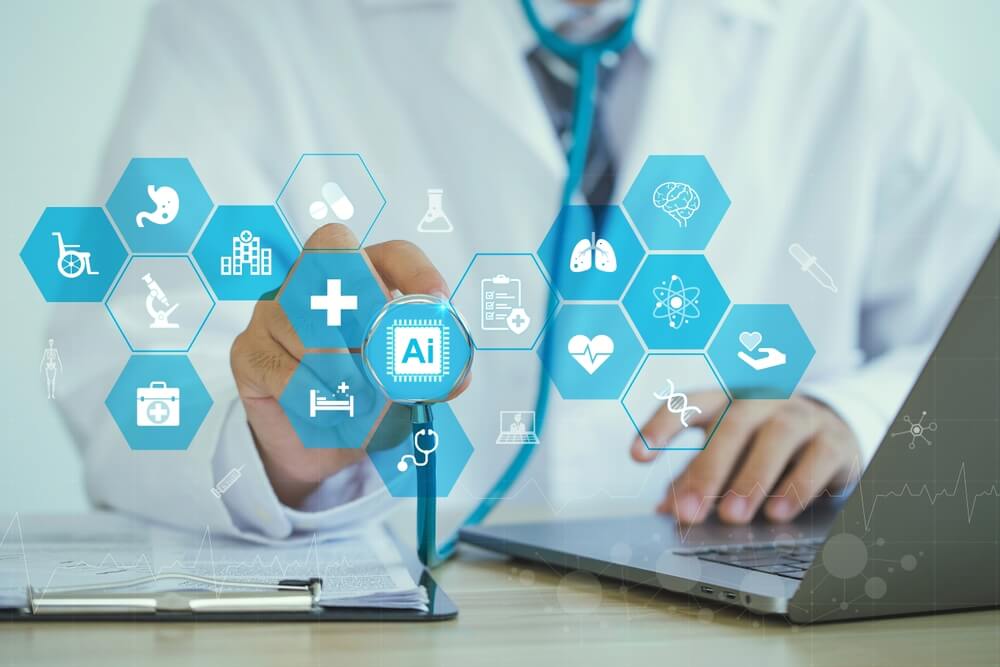
Healthcare is undergoing one of the most significant transformations in history, driven by rapid advancements in artificial intelligence (AI) and digital technologies. From early disease detection to personalized treatment plans, AI and tech innovations are reshaping how healthcare is delivered, accessed, and experienced across the globe. As populations grow, chronic diseases rise, and healthcare systems face increasing pressure, technology is emerging as a powerful solution to improve efficiency, accuracy, and patient outcomes.
This article explores how AI and technology are transforming healthcare and why these changes are shaping the future of global health.
The Rise of AI in Modern Healthcare
Artificial Intelligence refers to computer systems capable of performing tasks that typically require human intelligence, such as learning, reasoning, and decision-making. In healthcare, AI is being used to analyze massive amounts of medical data faster and more accurately than ever before.
AI algorithms can identify patterns in medical images, predict disease progression, and assist doctors in making more informed decisions. What once took hours or days for medical professionals can now be accomplished in minutes with the help of AI-powered systems. This has led to quicker diagnoses, improved accuracy, and reduced human error.
AI-Powered Diagnostics and Early Detection
One of the most impactful applications of AI in healthcare is diagnostics. AI tools are now capable of detecting diseases such as cancer, heart conditions, neurological disorders, and eye diseases at early stages.
For example:
- AI can analyze X-rays, CT scans, and MRIs with precision comparable to expert radiologists.
- Machine learning models can detect early signs of breast cancer, lung cancer, and diabetic retinopathy.
- Predictive analytics can assess patient data to identify individuals at high risk of developing chronic conditions.
Early detection not only saves lives but also reduces long-term treatment costs, making healthcare more affordable and effective.
Personalized and Precision Medicine
Traditional healthcare often follows a “one-size-fits-all” approach. AI is changing this by enabling personalized medicine, where treatments are tailored to individual patients based on their genetic makeup, lifestyle, and medical history.
AI systems can:
- Analyse genetic data to recommend targeted therapies
- Predict how patients will respond to specific medications
- Reduce trial-and-error in treatments
This approach is especially valuable in areas such as oncology, where precision treatments significantly improve patient survival rates. Personalized medicine also enhances patient satisfaction by delivering care that is more relevant and effective.
Telemedicine and Virtual Healthcare
The rise of telemedicine is another major transformation driven by technology. Digital platforms now allow patients to consult doctors remotely through video calls, mobile apps, and online portals.
Benefits of telemedicine include:
- Improved access to healthcare in rural and underserved areas
- Reduced hospital visits and waiting times
- Convenience for patients with mobility challenges
AI further enhances telemedicine by supporting virtual assistants, symptom checkers, and chatbots that provide basic medical guidance and triage patients before they speak to a doctor.
Wearable Devices and Remote Patient Monitoring
Wearable technology has become a game-changer in preventive healthcare. Devices such as smartwatches, fitness trackers, and medical wearables continuously monitor vital signs like heart rate, blood pressure, oxygen levels, and sleep patterns.
AI analyzes this real-time data to:
- Detect abnormalities early
- Alert doctors and patients to potential health risks
- Support chronic disease management
Remote patient monitoring reduces hospital readmissions and empowers patients to take control of their health, making healthcare more proactive rather than reactive.
AI in Drug Discovery and Development
Developing new drugs is traditionally a long, expensive process. AI is dramatically accelerating drug discovery by analyzing vast datasets to identify promising compounds faster.
AI helps in:
- Predicting how molecules will interact
- Reducing clinical trial failures
- Identifying new uses for existing drugs
This technology proved especially valuable during global health crises, where rapid drug and vaccine development became essential. As AI continues to evolve, it is expected to lower costs and bring life-saving treatments to market more quickly.
Improving Hospital Operations and Workflow
AI and automation are not only improving clinical care but also transforming hospital operations. Smart systems optimize scheduling, manage patient flow, and reduce administrative burdens.
Examples include:
- AI-based appointment scheduling
- Automated medical record management
- Predictive staffing models to prevent burnout
By streamlining operations, healthcare professionals can spend more time focusing on patient care rather than paperwork, improving both efficiency and job satisfaction.
Data Security, Ethics, and Challenges
While AI and technology offer immense benefits, they also raise important challenges. Data privacy and cybersecurity are major concerns as healthcare systems increasingly rely on digital platforms.
Other challenges include:
- Bias in AI algorithms
- Lack of transparency in decision-making
- Regulatory and ethical considerations
To address these issues, healthcare organizations must ensure responsible AI development, strong data protection policies, and human oversight in critical medical decisions.
The Future of AI-Driven Healthcare
The future of healthcare lies in collaboration between humans and technology. AI will not replace doctors but will empower them with better tools and insights. As technology becomes more advanced, healthcare will shift toward prevention, early intervention, and personalized care.
Emerging trends include:
- AI-powered virtual hospitals
- Predictive healthcare models
- Integration of AI with genomics and biotechnology
These innovations promise a more accessible, efficient, and patient-centric healthcare system worldwide.
Conclusion
AI and technology are transforming healthcare at an unprecedented pace. From diagnostics and treatment to patient engagement and hospital management, their impact is reshaping the entire healthcare ecosystem. As global health challenges continue to evolve, embracing AI-driven solutions will be essential to delivering better care, improving outcomes, and building a healthier future for all.