
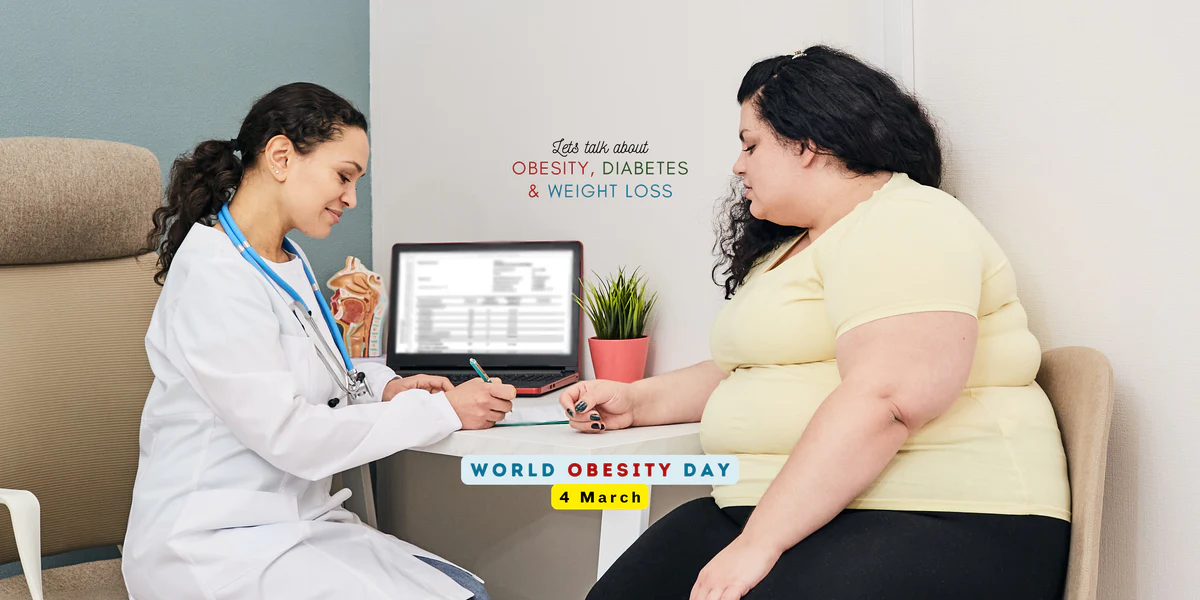
Obesity has emerged as one of the most serious global health challenges of the 21st century. Once considered a problem limited to high-income nations, obesity is now affecting countries across all income levels, age groups, and regions. From children to older adults, the rise in excess weight has triggered a global public health crisis, increasing the risk of chronic diseases and placing enormous pressure on healthcare systems worldwide.
As obesity rates continue to climb, the demand for effective weight-loss treatments—ranging from lifestyle changes and medications to advanced surgical and technological interventions—has grown rapidly. This article explores the global obesity epidemic, its causes and consequences, and the evolving landscape of weight-loss treatments shaping the future of health.
Understanding the Global Obesity Epidemic
Obesity is defined as an excessive accumulation of body fat that poses a risk to health. It is typically measured using Body Mass Index (BMI), where a BMI of 30 or higher is classified as obese. According to global health estimates, more than one billion people worldwide are now living with obesity, making it one of the fastest-growing health concerns globally.
What makes obesity particularly alarming is its rapid spread:
- Obesity rates have tripled in many countries over the past few decades.
- Childhood obesity is rising at an unprecedented pace.
- Low- and middle-income countries are experiencing a dual burden of malnutrition and obesity.
Urbanization, changing dietary patterns, sedentary lifestyles, and increased consumption of ultra-processed foods have played a major role in this global trend.
Causes of Obesity: A Complex Web of Factors
Obesity is not simply the result of overeating or lack of exercise. It is a complex condition influenced by multiple interrelated factors:
1. Unhealthy Diets
The global shift toward fast food, sugary beverages, and highly processed meals has significantly increased calorie intake while reducing nutritional quality.
2. Sedentary Lifestyles
Technological advancements have reduced physical activity levels. Desk jobs, screen time, and motorized transport have replaced active routines.
3. Genetic and Biological Factors
Some individuals are genetically predisposed to weight gain due to metabolism, hormone regulation, and fat storage differences.
4. Socioeconomic and Environmental Factors
Limited access to healthy food, unsafe neighborhoods, and lack of recreational spaces contribute to obesity, especially in disadvantaged communities.
5. Psychological and Emotional Factors
Stress, anxiety, depression, and emotional eating can significantly influence weight gain and eating behaviour’s.
Health Risks Associated with Obesity
Obesity is linked to a wide range of serious health conditions that reduce quality of life and increase mortality risk. These include:
- Type 2 diabetes
- Cardiovascular diseases (heart attack, stroke)
- High blood pressure and cholesterol
- Certain cancers (breast, colon, liver)
- Sleep apnea and respiratory disorders
- Joint problems and osteoarthritis
- Mental health issues such as depression and low self-esteem
The economic burden is equally severe, with obesity-related healthcare costs running into billions of dollars annually across the globe.
Traditional Weight-Loss Approaches
1. Lifestyle Modifications
The foundation of weight management remains lifestyle change, which includes:
- Balanced, calorie-controlled diets
- Regular physical activity
- Behavioural therapy and counselling
While lifestyle changes are essential, maintaining long-term weight loss through this approach alone can be challenging for many individuals.
2. Diet Programs
Popular diet plans—such as low-carb, Mediterranean, plant-based, and intermittent fasting—have gained global popularity. However, their effectiveness varies depending on individual adherence and metabolic factors.
Medical Weight-Loss Treatments
1. Prescription Weight-Loss Medications
In recent years, medical treatments for obesity have advanced significantly. Newer medications help regulate appetite, control blood sugar, and promote feelings of fullness.
These medications:
- Support long-term weight loss when combined with lifestyle changes
- Are particularly effective for individuals with obesity-related conditions like diabetes
- Require medical supervision due to potential side effects
The rise of injectable weight-loss drugs has sparked global debate about accessibility, affordability, and long-term safety.
Surgical Weight-Loss Interventions
1. Bariatric Surgery
Bariatric surgery remains one of the most effective treatments for severe obesity. Common procedures include gastric bypass, sleeve gastrectomy, and adjustable gastric banding.
Benefits include:
- Significant and sustained weight loss
- Improvement or remission of type 2 diabetes
- Reduced risk of heart disease
However, surgery is not a universal solution. It requires lifelong dietary changes, medical follow-up, and carries surgical risks.
Technology-Driven Weight-Loss Solutions
Technology is playing an increasingly important role in obesity management:
1. Digital Health Apps
Mobile apps help users track calories, physical activity, sleep, and hydration, offering personalized feedback and motivation.
2. Wearable Devices
Smartwatches and fitness trackers monitor daily movement, heart rate, and energy expenditure, encouraging healthier habits.
3. AI-Based Personalized Programs
Artificial intelligence is now being used to create tailored weight-loss plans based on user data, behavior patterns, and health metrics.
These innovations make weight management more accessible and data-driven.
The Role of Public Health Policies
Governments and international organizations are increasingly recognizing obesity as a public health priority. Policy-level interventions include:
- Sugar taxes on sugary drinks
- Clear food labelling regulations
- Restrictions on junk food marketing to children
- Promotion of physical activity in schools and workplaces
Countries that have implemented such policies have seen encouraging early results in reducing unhealthy consumption patterns.
Challenges in Global Obesity Treatment
Despite advancements, several challenges remain:
- High cost of medications and surgeries
- Unequal access to healthcare
- Weight stigma and discrimination
- Misinformation around “quick-fix” solutions
Obesity requires long-term, compassionate care rather than short-term solutions or blame-based approaches.
The Future of Obesity Management
The future of obesity treatment lies in integrated, personalized, and sustainable approaches. Key trends include:
- Combining medication with behavioral and lifestyle support
- Expanding preventive care from childhood
- Using AI and genomics for precision weight management
- Shifting focus from weight loss alone to overall metabolic health
Global collaboration between governments, healthcare providers, tech companies, and communities will be essential to address this crisis effectively.
Conclusion
Global obesity is a complex and growing health challenge with far-reaching consequences for individuals and societies alike. While the rise in obesity rates is alarming, advancements in medical treatments, technology, and public health strategies offer hope.
Sustainable weight-loss solutions must go beyond quick fixes and focus on long-term health, equity, and prevention. By combining science, innovation, and compassionate care, the global community can move toward a healthier future where obesity is managed effectively and responsibly.