In today’s fast-paced world, where productivity is glorified and rest is often neglected, mental and emotional health has quietly become one of the most critical aspects of overall well-being. While physical health has long been the focus of public attention, mental and emotional wellness determines how we think, feel, act, and cope with everyday challenges.
Mental and emotional health is not merely the absence of mental illness. It is about resilience, self-awareness, emotional balance, and the ability to navigate life’s ups and downs. As stress, anxiety, burnout, and emotional exhaustion become more common across all age groups, understanding and nurturing mental and emotional health is no longer optional—it is essential.
Understanding Mental and Emotional Health
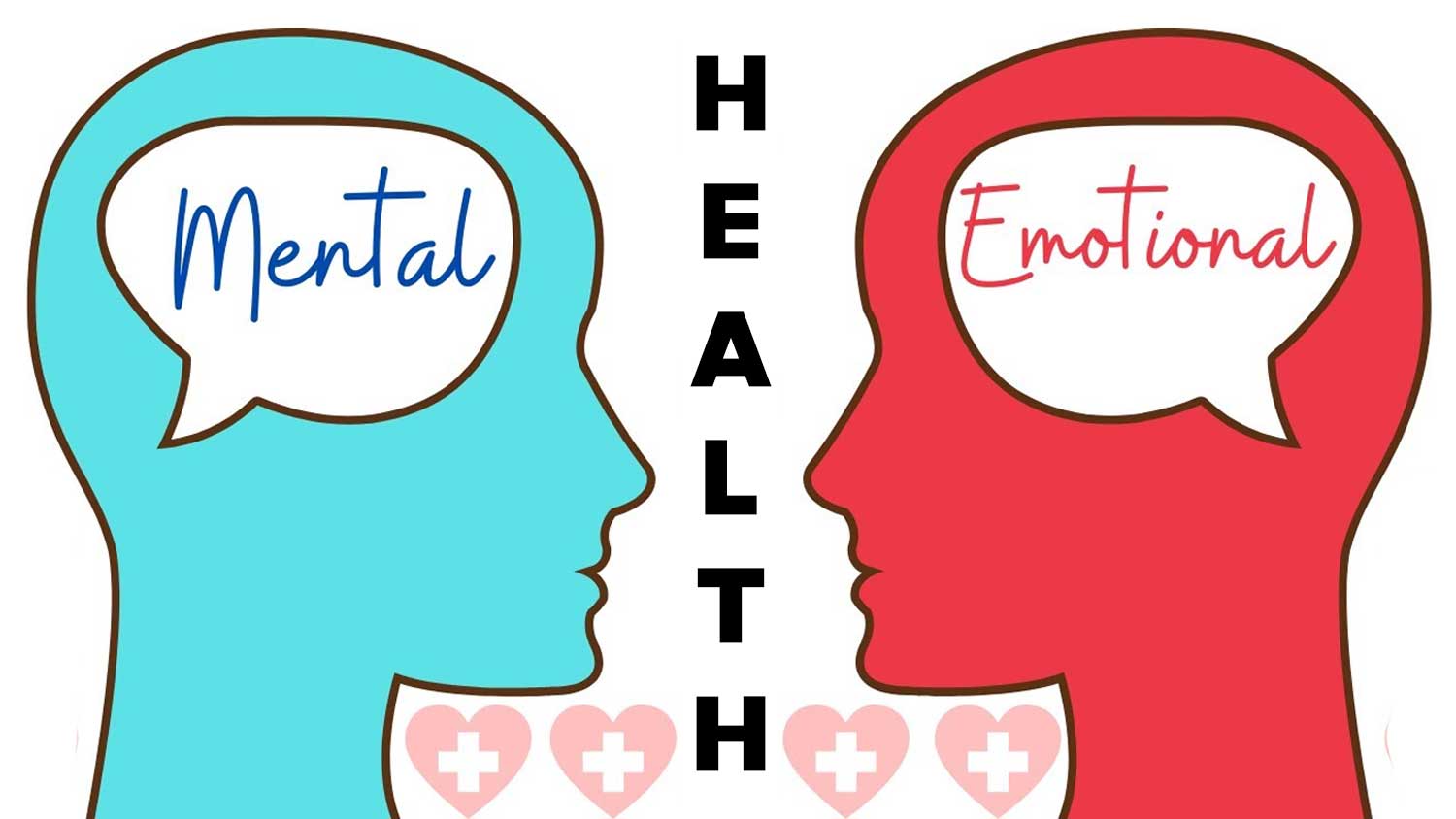
Mental health refers to our cognitive and psychological well-being—how we process thoughts, make decisions, and handle stress. Emotional health, on the other hand, focuses on our ability to understand, express, and manage emotions in a healthy way.
Together, they influence:
- How we handle pressure and setbacks
- How we relate to others
- How confident and motivated we feel
- How we perceive ourselves and the world
A person with good mental and emotional health can still experience sadness, anger, or stress—but they can manage these emotions effectively without being overwhelmed.
Why Mental & Emotional Health Matters More Than Ever
The modern lifestyle has introduced several challenges that directly impact mental well-being:
1. Constant Digital Exposure
Social media comparison, endless notifications, and information overload have increased anxiety, reduced attention span, and affected self-esteem—especially among young adults.
2. Work Pressure and Burnout
Long working hours, job insecurity, and unrealistic expectations have made burnout a silent epidemic. Many people feel mentally drained but continue working, ignoring emotional fatigue.
3. Lack of Emotional Expression
Society often teaches people to suppress emotions—“be strong,” “don’t cry,” or “move on.” Over time, suppressed emotions manifest as stress, irritability, or even physical illness.
4. Isolation and Loneliness
Despite being digitally connected, many people feel emotionally disconnected. Loneliness has been linked to depression, anxiety, and reduced life satisfaction.
Common Mental & Emotional Health Challenges
Mental and emotional struggles do not always appear dramatically. Often, they build slowly and silently.
Anxiety
Persistent worry, restlessness, racing thoughts, and fear of the future are common signs. Anxiety often stems from uncertainty, pressure, or unresolved emotional issues.
Depression
Depression goes beyond sadness. It may include lack of motivation, fatigue, feelings of worthlessness, sleep disturbances, and loss of interest in daily activities.
Chronic Stress
Long-term stress affects both mind and body, leading to headaches, digestive issues, weakened immunity, and emotional imbalance.
Emotional Burnout
Burnout is emotional, mental, and physical exhaustion caused by prolonged stress. It often affects working professionals, caregivers, and students.
Low Self-Esteem
Negative self-talk, self-doubt, and constant comparison can damage emotional health and limit personal growth.
The Mind–Body Connection
Mental and emotional health is deeply connected to physical health. Emotional stress can trigger physical symptoms such as:
- Fatigue
- Insomnia
- Muscle tension
- Digestive problems
- Weakened immunity
Similarly, physical health issues can impact mental well-being. This two-way relationship highlights why a holistic approach to health is crucial.
Signs of Good Mental & Emotional Health
A mentally and emotionally healthy person may:
- Accept their emotions without guilt
- Cope with stress effectively
- Maintain healthy relationships
- Set boundaries without fear
- Feel motivated and purposeful
- Adapt to change and uncertainty
It does not mean being happy all the time—it means being emotionally aware and balanced.
Building Strong Mental & Emotional Health
1. Emotional Awareness
Understanding your emotions is the first step. Ask yourself:
- What am I feeling right now?
- Why am I feeling this way?
- What do I need at this moment?
Naming emotions reduces their intensity and improves emotional regulation.
2. Healthy Expression of Emotions
Suppressing emotions can be harmful. Healthy outlets include:
- Talking to a trusted person
- Writing in a journal
- Creative activities (art, music, writing)
- Physical movement
Expressing emotions is not weakness—it is self-care.
3. Stress Management Techniques
Practical methods to manage stress include:
- Deep breathing exercises
- Meditation or mindfulness
- Yoga or stretching
- Short breaks during work
Even 10–15 minutes a day can significantly improve mental clarity.
The Role of Lifestyle in Mental Health
Sleep
Poor sleep directly affects mood, focus, and emotional control. Consistent sleep routines improve emotional resilience and reduce anxiety.
Nutrition
The gut–brain connection plays a vital role in emotional health. A balanced diet rich in fruits, vegetables, whole grains, and healthy fats supports brain function.
Physical Activity
Exercise releases endorphins—natural mood boosters. Regular movement reduces stress, anxiety, and depressive symptoms.
Digital Boundaries
Limiting screen time and practicing digital detox helps reduce mental fatigue and improves emotional presence.
Mental Health in Relationships
Healthy relationships support emotional well-being, while toxic relationships drain emotional energy.
Key aspects of emotionally healthy relationships include:
- Open communication
- Mutual respect
- Emotional safety
- Healthy boundaries
Learning to say “no” and prioritizing emotional needs strengthens both self-respect and relationships.
Breaking the Stigma Around Mental Health
Despite growing awareness, mental health stigma still prevents many from seeking help. Mental health struggles are not personal failures—they are human experiences.
Talking openly about emotions:
- Encourages others to seek help
- Reduces shame and fear
- Builds emotional resilience
- Creates supportive communities
Seeking therapy or counselling is a sign of strength, not weakness.
When to Seek Professional Help
Professional support may be needed if:
- Emotional distress interferes with daily life
- Anxiety or sadness persists for weeks
- There are changes in sleep, appetite, or behaviour
- You feel emotionally numb or overwhelmed
Therapists, counsellors, and mental health professionals provide tools to understand emotions and develop healthier coping strategies.
Self-Care vs. Self-Awareness
Self-care is often misunderstood as luxury or indulgence. True self-care includes:
- Setting boundaries
- Resting without guilt
- Asking for help
- Choosing peace over perfection
Self-awareness ensures that self-care is meaningful, not superficial.
The Future of Mental & Emotional Health
As conversations around mental health grow, workplaces, schools, and communities are beginning to prioritize emotional well-being. Mental health education, therapy access, and emotional intelligence are becoming essential life skills.
The future of health is not just physical fitness—it is mental clarity, emotional balance, and inner resilience.
Conclusion
Mental and emotional health forms the foundation of a fulfilling life. When the mind is balanced and emotions are understood, people can face challenges with confidence, build meaningful relationships, and live with purpose.
Caring for mental and emotional health is not a one-time task—it is a lifelong journey of self-understanding, compassion, and growth. By prioritizing mental well-being today, we create a healthier, more resilient future for ourselves and society.