
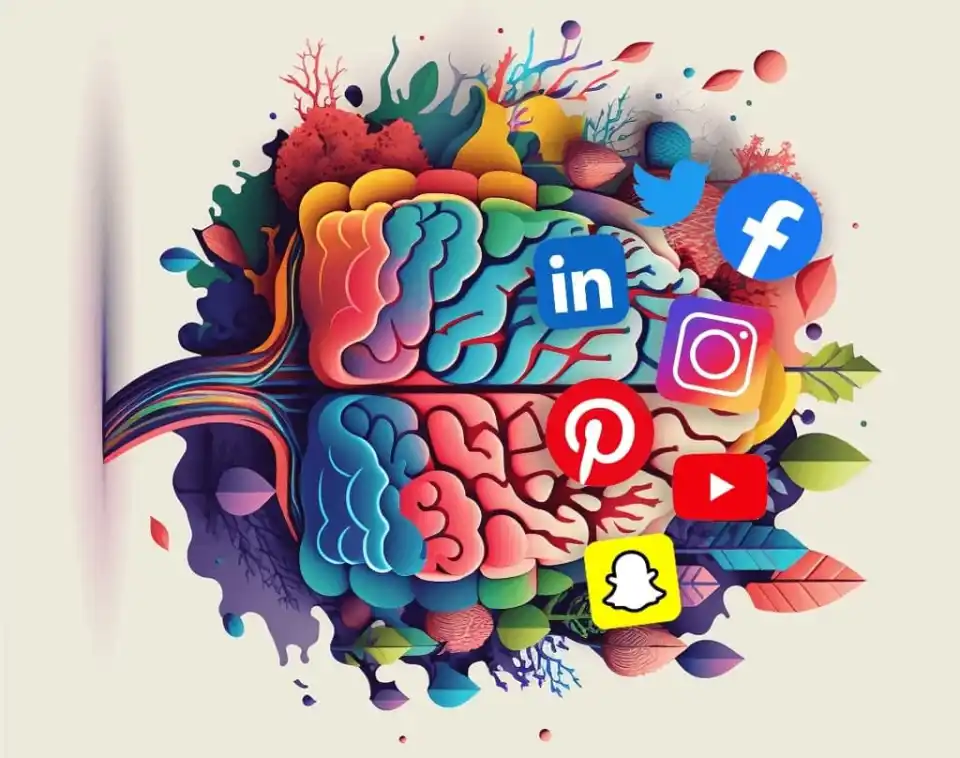
The rapid advancement of digital technology has fundamentally reshaped how humans think, behave, communicate, and experience the world. Smartphones, social media platforms, artificial intelligence, and constant internet connectivity have become deeply embedded in everyday life. From the moment we wake up to the time we go to sleep, digital interactions influence our emotions, attention, productivity, and relationships.
While technology has created unprecedented opportunities for connection, learning, and innovation, it has also introduced complex mental health challenges. Rising levels of anxiety, stress, loneliness, and burnout are increasingly linked to digital habits. Understanding how technology is reshaping our minds is essential for building healthier relationships with digital tools and protecting long-term psychological wellbeing.
This article takes an in-depth look at the psychological, emotional, and neurological effects of technology, examining both its benefits and its risks in the context of modern mental health.
The Always-On Culture and Cognitive Overload
One of the most significant changes brought about by digital technology is the emergence of an “always-on” culture. Emails, instant messages, notifications, and social media updates ensure that individuals are constantly connected and reachable. While this connectivity can increase efficiency and responsiveness, it also places continuous demands on attention.
The human brain is not designed for sustained multitasking. Constant task-switching such as moving between work emails, social media feeds, and messaging apps leads to cognitive overload. Research suggests that frequent interruptions reduce working memory capacity and impair decision-making. Over time, this mental strain can contribute to chronic stress, irritability, mental fatigue, and difficulty concentrating.
The pressure to respond immediately further intensifies stress. Many individuals feel guilty or anxious when they are offline, reinforcing a cycle of compulsive device checking that prevents meaningful mental rest.
Social Media, Identity, and Self-Perception
Social media has become a powerful force in shaping identity and self-perception. Platforms encourage users to curate idealized versions of their lives through carefully selected images, achievements, and experiences. While this can foster creativity and self-expression, it can also distort reality.
Constant exposure to idealized content fuels social comparison. Users may measure their self-worth against unrealistic standards of success, beauty, or happiness, leading to feelings of inadequacy and low self-esteem. This effect is particularly pronounced among adolescents and young adults, whose identities are still forming.
Additionally, social validation mechanisms likes, shares, and comments can condition the brain to seek external approval. Over time, self-esteem may become dependent on online feedback, making individuals more vulnerable to anxiety and mood fluctuations.
Anxiety, Stress, and Digital Hypervigilance
Technology has significantly altered how people experience stress and anxiety. Continuous access to news and global events means individuals are exposed to crises, conflicts, and negative information around the clock. This constant exposure can create a heightened sense of threat and uncertainty.
A behavior known as “doomscrolling” has emerged, where individuals compulsively consume negative news despite feeling distressed. This pattern reinforces anxiety and can lead to feelings of helplessness and emotional exhaustion.
Furthermore, digital hypervigilance the constant monitoring of notifications and online interactions keeps the nervous system in a heightened state of alert. Over time, this can contribute to generalized anxiety, sleep disturbances, and difficulty relaxing.
Technology, Dopamine, and Habit Formation
Many digital platforms are designed to capture and retain attention using reward-based mechanisms. Notifications, likes, and new content trigger dopamine release, reinforcing habitual usage. While dopamine itself is not harmful, excessive stimulation can alter reward pathways in the brain.
This can lead to compulsive behaviors, where individuals feel an urge to check devices even without conscious intention. Over time, reduced tolerance for boredom and decreased ability to engage in sustained focus may develop, affecting learning, creativity, and emotional regulation.
Understanding these neurological mechanisms highlights why setting boundaries with technology can be challenging, yet essential for mental health.
Positive Contributions of Technology to Mental Health
Despite its challenges, technology also offers meaningful mental health benefits. Digital platforms have expanded access to mental health education, resources, and support networks. Individuals who may feel isolated in their offline environments can find understanding and community online.
Teletherapy has transformed mental health care by making professional support accessible regardless of location. Online therapy platforms reduce stigma and logistical barriers, encouraging more people to seek help. Mental health apps offer tools for meditation, stress management, mood tracking, and cognitive behavioral techniques, empowering users to take an active role in their wellbeing.
Social media has also played a role in normalizing conversations around mental health, reducing stigma, and amplifying awareness campaigns.
Work, Productivity, and Digital Burnout
Digital technology has redefined work culture, enabling remote work and flexible schedules. However, it has also blurred the boundaries between professional and personal life. Many individuals struggle to disconnect from work-related communications, leading to longer working hours and reduced recovery time.
Digital burnout is increasingly common, characterized by emotional exhaustion, decreased motivation, and feelings of detachment. Without clear boundaries, the mental load of constant connectivity can erode job satisfaction and overall wellbeing.
Building a Healthier Relationship with Technology
Protecting mental health in the digital age requires intentional and mindful technology use. Setting boundaries such as designated screen-free times, limiting notifications, and creating device-free spaces can significantly reduce stress.
Practicing digital literacy helps individuals critically evaluate online content and recognize unhealthy patterns. Incorporating regular breaks, physical activity, and offline social interaction restores balance and supports emotional resilience.
On a broader level, ethical technology design and workplace policies that prioritize wellbeing play a crucial role in shaping healthier digital environments.
Conclusion
Technology is profoundly reshaping the human mind, influencing attention, emotion, identity, and social connection. While excessive and unregulated use can negatively impact mental health, technology itself is not the enemy. When used consciously and responsibly, digital tools can enhance wellbeing, connection, and access to care.
The challenge of the digital age lies in balance. By cultivating awareness, setting boundaries, and promoting human-centered design, individuals and societies can ensure that technology supports mental health rather than undermining it.