As 2025 unfolded, a growing sense of unease gripped the world. Headlines spoke of escalating wars, military posturing, cyberattacks, economic sanctions, and diplomatic breakdowns. From Eastern Europe to the Middle East, from the Indo-Pacific to cyberspace, tensions appeared to converge in ways that felt alarmingly reminiscent of the early stages of past global conflicts. For many observers, a sobering question emerged: did the world narrowly avoid a third world war in 2025?
While no single event triggered a global catastrophe, the accumulation of crises raised the risk of miscalculation among nuclear-armed powers. At the same time, restraint, diplomacy, and economic interdependence played a quiet but decisive role in preventing escalation. This article examines the geopolitical landscape of 2025, the flashpoints that pushed the world toward the brink, and the factors that ultimately pulled it back.
A World Defined by Simultaneous Crises
Unlike previous eras dominated by a single geopolitical confrontation, 2025 was marked by overlapping conflicts. The global system faced stress from multiple directions at once—military, economic, technological, and ideological.
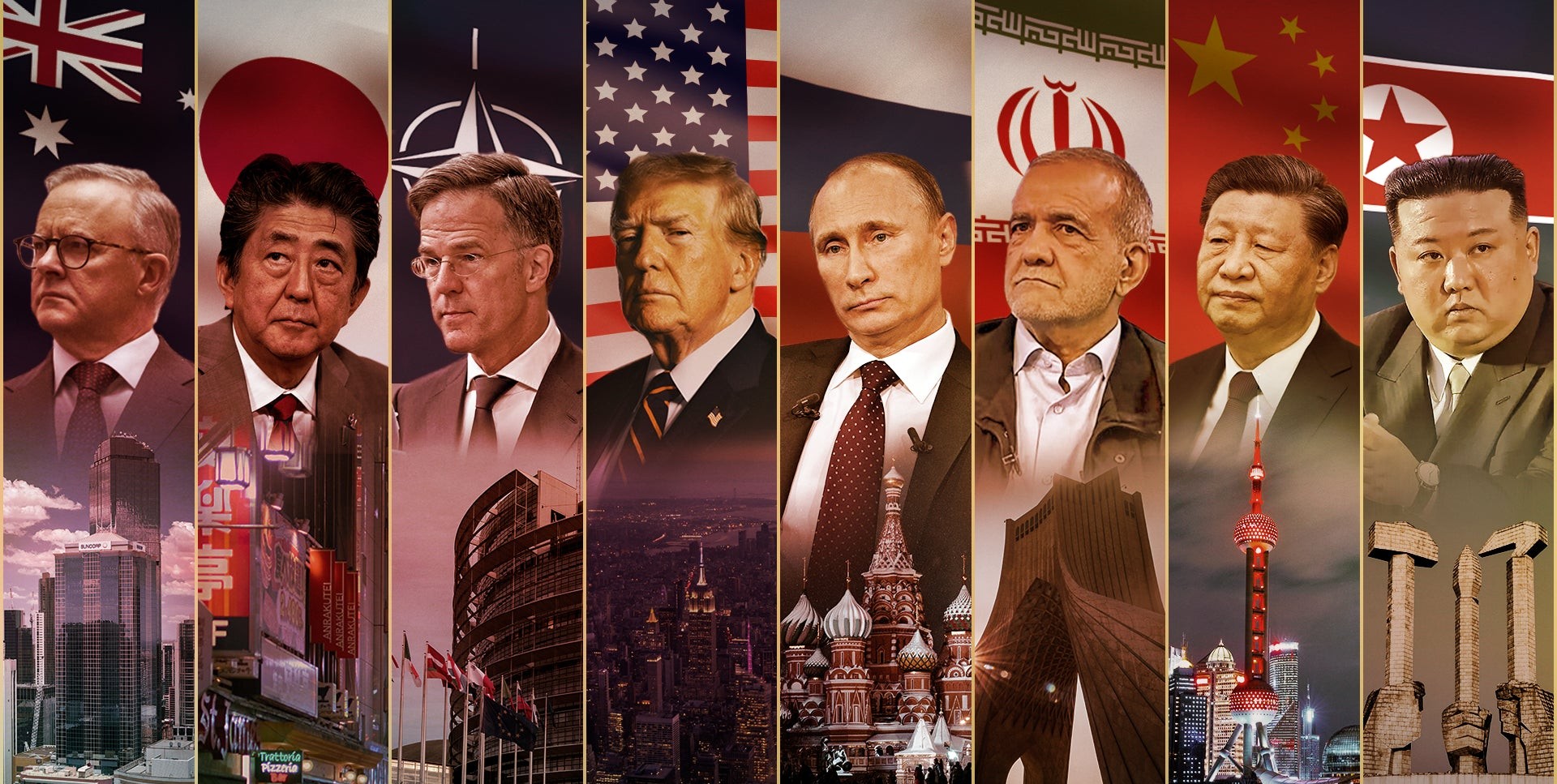
Major powers were increasingly divided into competing blocs. Alliances hardened, rhetoric intensified, and trust eroded. Unlike the Cold War’s relatively stable bipolar structure, today’s multipolar world introduced unpredictability. Regional conflicts had the potential to draw in global actors, raising fears that a localized war could spiral into something far larger.
This convergence of crises created a sense that the international order was being tested simultaneously on all fronts.
The Major Flashpoints That Raised Alarm
Eastern Europe and the Shadow of Escalation
The war in Eastern Europe remained one of the most dangerous fault lines in 2025. Continued fighting, weapons transfers, and military exercises kept tensions high between Russia and NATO countries. Close encounters between aircraft and naval forces increased the risk of accidental escalation.
The involvement of advanced weaponry, intelligence sharing, and economic sanctions blurred the line between proxy conflict and direct confrontation. Analysts warned that a single misjudgment an attack crossing a red line or a misinterpreted signal could have triggered a broader war involving nuclear powers.
The Middle East: A Region on Edge
The Middle East in 2025 was another epicenter of instability. Conflicts involving Israel, Iran, militant groups, and regional powers created a volatile environment. Escalations threatened critical global infrastructure, including energy supply routes and shipping lanes.
The presence of multiple foreign militaries operating in close proximity increased the likelihood of unintended clashes. While no full-scale regional war erupted, repeated flare-ups kept the world on edge, particularly given the region’s importance to global energy markets.
The Indo-Pacific and Strategic Rivalry
The Indo-Pacific remained a focal point of strategic competition between the United States and China. Military drills, territorial disputes, and political tensions around Taiwan heightened concerns of confrontation.
Although both sides avoided direct conflict, the region saw intensified naval deployments and alliance-building efforts. Given the economic and technological stakes involved, any escalation in this region would have had immediate global consequences.
The Role of Nuclear Deterrence
One reason World War III did not materialize in 2025 lies in the enduring logic of nuclear deterrence. The catastrophic consequences of a nuclear exchange remain a powerful constraint on decision-makers.
Leaders on all sides appeared acutely aware that escalation beyond certain thresholds would result in unacceptable losses. Even amid aggressive rhetoric, actions often stopped short of triggering irreversible outcomes.
However, reliance on deterrence alone is not without risk. As communication channels narrow and trust declines, the margin for error shrinks. The fact that deterrence held in 2025 does not guarantee it will always do so.
Diplomacy Behind the Scenes
While public attention focused on confrontations, quiet diplomacy played a crucial role in de-escalation. Backchannel communications, emergency hotlines, and third-party mediators helped prevent misunderstandings from turning into open conflict.
International organizations, though often criticized as ineffective, provided forums for dialogue. Regional powers acted as intermediaries, urging restraint when tensions peaked. In several instances, ceasefires or pauses in escalation were achieved not through grand agreements but through incremental confidence-building steps.
These diplomatic efforts rarely made headlines, but they were instrumental in keeping crises contained.
Economic Interdependence as a Restraining Force
Globalization, despite being under strain, continued to act as a brake on full-scale war. The economic costs of a world war in 2025 would have been devastating far beyond anything experienced in previous conflicts.
Supply chains, financial systems, energy markets, and food security are now deeply interconnected. A major war would have triggered economic collapse not only for adversaries but also for neutral states. This shared vulnerability encouraged caution.
Businesses, markets, and citizens exerted indirect pressure on governments to avoid actions that could plunge the world into chaos.
The New Battlefield: Cyber and Information Warfare
One of the defining features of modern conflict is that war no longer begins with tanks crossing borders. In 2025, cyberattacks, disinformation campaigns, and economic coercion were already part of daily geopolitical competition.
While these actions caused real harm, they also served as pressure-release valves. States could demonstrate power and signal resolve without resorting to kinetic warfare. However, this gray zone activity also carried risks, particularly if cyber operations targeted critical infrastructure.
The challenge lies in managing escalation in a domain where attribution is murky and rules remain underdeveloped.
Public Fear and the Psychology of Crisis
Public perception in 2025 played a significant role in shaping the narrative of near-war. Social media amplified fear, speculation, and worst-case scenarios. Historical analogies to the world wars of the 20th century were frequently invoked, sometimes oversimplifying complex realities.
While vigilance is necessary, constant exposure to alarming narratives can distort understanding. The sense that the world was on the brink of World War III reflected not only geopolitical risks but also the psychological impact of living in an age of instant information and global anxiety.
Did the World Truly “Escape” War?
The idea that the world “escaped” World War III in 2025 suggests a narrow miss an outcome avoided by luck or last-minute restraint. In reality, the situation was more nuanced.
The international system is under strain, but it is not devoid of safeguards. Institutions, norms, economic ties, and historical memory all contributed to preventing catastrophe. At the same time, these safeguards are weakening, not strengthening.
Rather than a single escape, 2025 may represent a warning year a demonstration of how close global politics can come to the edge without crossing it.
Lessons from 2025
Several lessons emerge from the tensions of 2025:
- Multipolar instability increases risk: More power centers mean more potential points of failure.
- Communication matters: Open channels between rivals are essential to prevent miscalculation.
- Economic ties still matter: Interdependence can restrain conflict, even in a fragmented world.
- Public narratives influence policy: Fear and misinformation can escalate tensions as much as weapons.
- Prevention is invisible but vital: The absence of war often reflects unseen diplomatic effort.
Conclusion
So, did we just escape World War III in 2025? The answer depends on perspective. The world did not stumble blindly toward global war, but it did walk dangerously close to several thresholds that could have triggered wider conflict.
2025 revealed a world struggling to manage rivalry without catastrophe a system under stress but not yet broken. Whether future years bring stability or escalation will depend on choices made now: how leaders manage competition, how societies demand accountability, and whether cooperation can survive in an era of deep division.
The lesson of 2025 is not complacency, but urgency. Avoiding World War III once does not guarantee it can be avoided forever.