
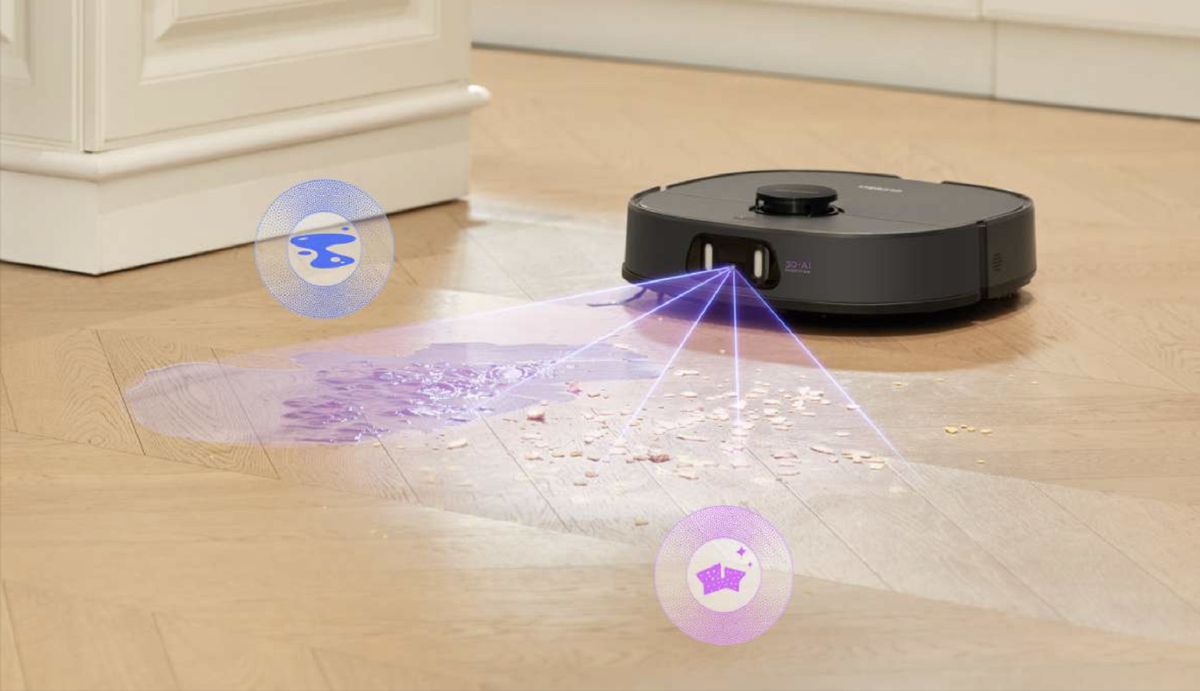
The way we clean our homes is undergoing a silent revolution. Gone are the days when vacuuming meant dragging heavy machines across rooms or spending hours sweeping floors. Today, robot vacuums with AI navigation are transforming household cleaning into an automated, intelligent, and almost effortless task. These smart devices are no longer simple machines that bump into walls randomly; instead, they use artificial intelligence, advanced sensors, and mapping technologies to clean homes with precision and efficiency.
As smart homes become more common across the world, robot vacuums equipped with AI navigation are quickly emerging as one of the most popular and practical gadgets for modern living.
Evolution of Robot Vacuums
Early robot vacuums were basic in design and functionality. They followed random movement patterns, changed direction after hitting obstacles, and often missed large areas while repeatedly cleaning the same spots. Although convenient, their performance was limited and inconsistent.
The introduction of AI-powered navigation systems changed everything. Modern robot vacuums now “understand” their surroundings. Using cameras, lasers, and sensors, they can map entire homes, recognize obstacles, and plan the most efficient cleaning routes. This evolution has turned robot vacuums from novelty gadgets into serious household appliances.
What Is AI Navigation in Robot Vacuums?
AI navigation refers to the use of artificial intelligence combined with mapping technologies to guide robot vacuums through homes intelligently. These systems allow the robot to analyze room layouts, detect obstacles, and continuously improve cleaning performance over time.
Instead of random movement, AI-enabled robot vacuums use systematic navigation, ensuring complete coverage of floors. The result is faster cleaning, better dirt removal, and minimal energy waste.
Key Technologies Behind AI Navigation
- LiDAR (Light Detection and Ranging)
LiDAR uses laser beams to scan surroundings and create highly accurate maps of rooms. It works well even in low-light conditions and allows the robot to navigate precisely around furniture. - Visual SLAM (Simultaneous Localization and Mapping)
This technology uses cameras to visually map the environment while tracking the robot’s position. It enables object recognition and detailed room mapping. - AI Algorithms and Machine Learning
AI algorithms process data from sensors to make decisions in real time. Machine learning helps robot vacuums adapt to new layouts, identify frequently dirty areas, and optimize cleaning paths. - Obstacle Detection and Avoidance Sensors
Advanced sensors help detect shoes, cables, pet waste, and other small objects, preventing accidents and interruptions during cleaning.
Smart Mapping and Custom Cleaning
One of the most impressive features of AI robot vacuums is smart mapping. These devices create digital maps of your home, which can be viewed and customized through mobile apps.
Users can:
- Label rooms (bedroom, kitchen, living room)
- Set no-go zones and virtual walls
- Schedule room-specific cleaning
- Adjust suction power for different areas
For example, you can instruct the robot to clean only the kitchen after dinner or avoid the children’s play area during the day. This level of personalization makes AI robot vacuums highly user-friendly and efficient.
Improved Cleaning Performance
AI navigation significantly improves cleaning results. By following structured paths, robot vacuums ensure:
- Complete floor coverage
- Reduced cleaning time
- Less battery consumption
- Better dirt detection
Some advanced models use AI-powered dirt recognition, which identifies heavily soiled areas and automatically increases suction power. This ensures deeper cleaning where it is needed most.
Additionally, robot vacuums with AI navigation can transition smoothly between different floor types, such as hardwood, tiles, and carpets, adjusting settings automatically.
Integration with Smart Home Ecosystems
Modern robot vacuums are designed to integrate seamlessly with smart home systems. Most AI-powered models can be controlled via:
- Smartphone apps
- Voice assistants like Alexa or Google Assistant
- Home automation routines
Users can start cleaning with simple voice commands or schedule cleaning while away from home. Integration with smart ecosystems adds convenience and makes robot vacuums an essential part of connected living.
Pet-Friendly and Allergy-Sensitive Homes
AI robot vacuums are especially beneficial for pet owners and allergy sufferers. Advanced navigation helps avoid pet bowls, toys, and accidents, while powerful suction removes pet hair effectively.
Many models also include HEPA filtration systems, which trap dust, pollen, and allergens. Combined with regular automated cleaning, this improves indoor air quality and creates a healthier living environment.
Self-Learning and Continuous Improvement
One of the most exciting aspects of AI navigation is the ability of robot vacuums to learn over time. With each cleaning cycle, the device becomes more efficient by:
- Refining room maps
- Identifying obstacles faster
- Adjusting cleaning routes
- Remembering user preferences
Some premium models even offer self-emptying dustbins, reducing human involvement to a minimum. Users may only need to empty the base station once every few weeks.
Challenges and Limitations
Despite their advanced capabilities, AI robot vacuums are not without limitations. High-end models can be expensive, making them less accessible for budget-conscious consumers. Additionally, while AI navigation is highly accurate, extremely cluttered environments may still pose challenges.
Privacy concerns have also been raised regarding camera-based navigation systems. Manufacturers are addressing these issues by implementing data encryption and local data storage options.
The Future of AI Robot Vacuums
The future of robot vacuums with AI navigation looks promising. As artificial intelligence continues to evolve, we can expect:
- Better object recognition
- Improved voice interaction
- Enhanced multi-floor mapping
- Greater energy efficiency
- Lower prices due to wider adoption
Future models may even integrate with broader home management systems, adjusting cleaning schedules based on occupancy, weather conditions, or indoor air quality.
Conclusion
Robot vacuums with AI navigation represent a significant leap forward in home cleaning technology. By combining artificial intelligence, smart mapping, and automation, these devices offer convenience, efficiency, and precision like never before.
As homes become smarter and lifestyles busier, AI-powered robot vacuums are no longer luxury gadgets—they are practical solutions for modern living. With continuous innovation and growing affordability, these intelligent cleaning companions are set to become a standard feature in households around the world.