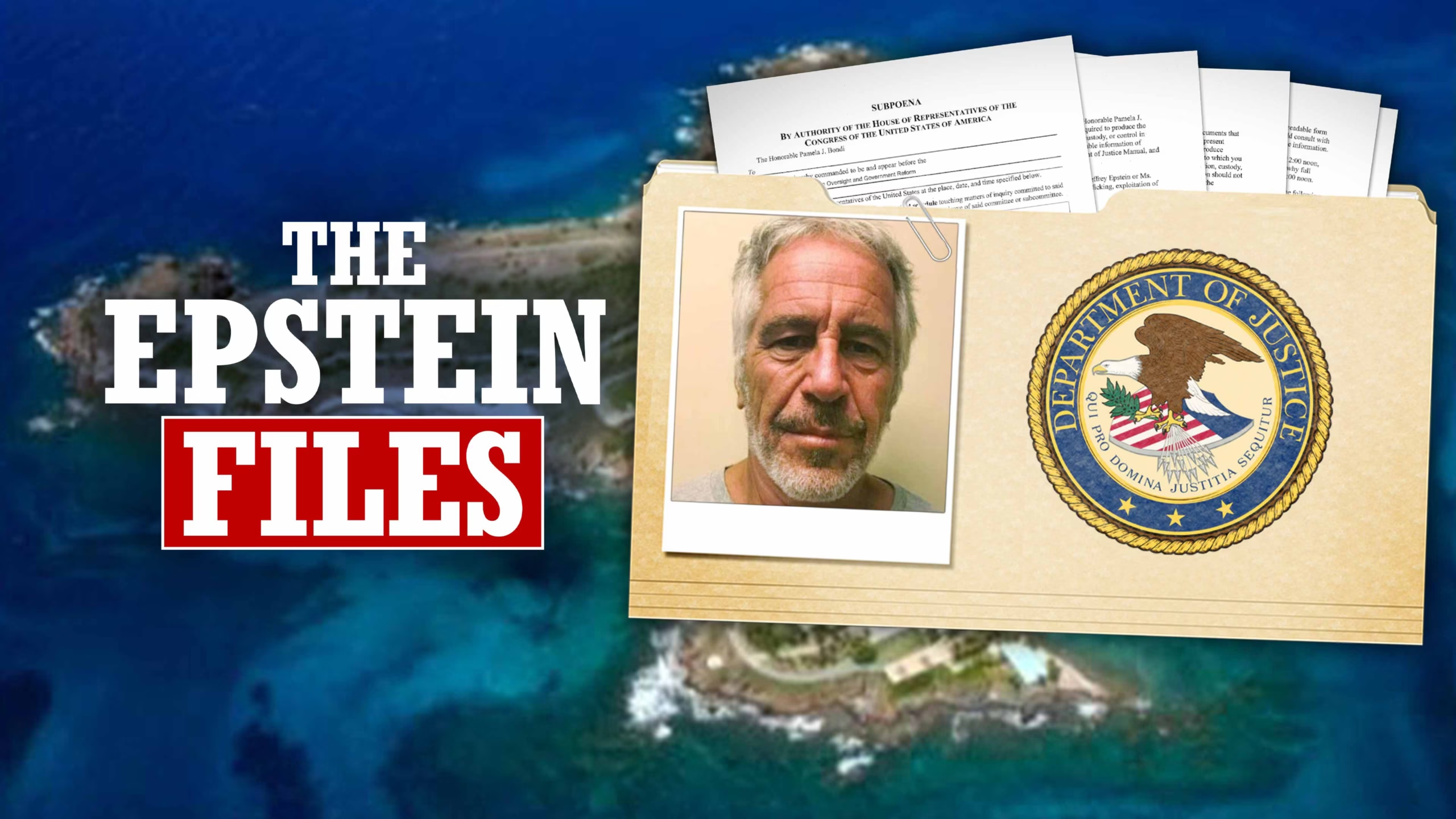
In late 2025 and early 2026, the United States justice system took one of the most consequential actions in the long, tortured legal aftermath of Jeffrey Epstein’s crimes: the public release of millions of previously sealed documents relating to his investigation and criminal network. Dubbed the “Epstein Files,” these records have triggered global controversy, naming persons connected in various ways to one of the most notorious sex trafficking networks in modern history and reopening wounds for victims, political figures, and institutions alike.
I. Who Was Jeffrey Epstein? A Brief Reminder
Jeffrey Epstein was a wealthy financier and socialite who wielded extraordinary influence through decades of connections with politicians, business leaders, royalty, scientists, entertainers, and academics. In 2008, he pleaded guilty to procuring a minor for prostitution in Florida — a plea deal later widely condemned as lenient. In 2019, he was arrested again on federal charges for running a vast sex-trafficking operation involving underage girls across properties in the U.S., including his private island. Epstein died by suicide in a New York jail cell in August 2019 while awaiting trial, leaving many questions unresolved.
II. What Are the Epstein Files?
The term “Epstein Files” refers collectively to the expansive trove of documents, investigative materials, emails, court filings, witness statements, flight logs, images, grand jury testimony, and related evidence amassed by federal prosecutors, the FBI, and other agencies over years of investigation into Epstein, his activities, and his network.
These files include:
- Court records from civil lawsuits and criminal matters
- Depositions and witness statements
- Emails and correspondence between Epstein and many contacts
- Financial and travel records, including private jet passenger logs
- FBI and prosecutorial investigative reports
- Images and videos seized from Epstein’s possessions or devices
For many years, only a fraction of these records were public, often heavily redacted. Most remained under seal — legally hidden from the public record — prompting speculation, legal battles, and pressure from media organisations and lawmakers to release them.
III. Why Were the Epstein Files Sealed for Years?
There are several reasons these documents stayed sealed for so long, rooted partly in legal protections, victim privacy, and litigation strategy:
1. Protecting Victim Privacy
Many documents contain extremely sensitive information about victims — including names, addresses, physical descriptions, and personal histories. U.S. law and judicial practice generally require such information to be kept confidential to protect minors and survivors of sexual abuse from further trauma. Judges often limit public access to this material unless victims consent.
2. Civil Litigation Sealing Practices
In the 2015 civil defamation lawsuit brought by Epstein accuser Virginia Giuffre against Ghislaine Maxwell, hundreds of pages of court records were filed under seal at the request of both parties and/or the court. Maxwell’s legal team and others objected to releasing details that might implicate third parties not directly involved in the case. Decisions about what to seal were driven by privacy concerns, reputational harm, and competitive litigation interests.
3. Grand Jury and Investigative Privileges
Some documents were sealed because they involved grand jury testimony or ongoing investigative privileges, which are protected under U.S. criminal procedure. Disclosure of such information can be restricted unless ordered unsealed by a judge.
4. Legal Challenges and Appeals
Even when courts ordered partial releases, individuals named in the files were given opportunities to object to disclosure, leading to delays and additional litigation. Maxwell’s counsel, for example, fought for years to keep parts of the record sealed.
IV. The Epstein Files Transparency Act and Unsealing
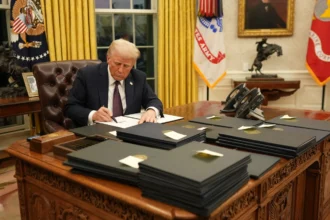
In November 2025, the Epstein Files Transparency Act was passed unanimously by both chambers of the United States Congress and signed into law by President Donald Trump. This statute legally required the Department of Justice to release all unclassified documents relating to Epstein that were in government possession, with limited exceptions for victim privacy, national security, or other clear legal exemptions.
Under the law:
- Records must be made publicly available in searchable and downloadable form.
- Embarrassment, reputational concerns, or political sensitivity cannot be used to justify withholding information.
- Personal identifying information for victims may still be protected to comply with privacy laws.
Despite the mandate, not all materials were released at once. The Department of Justice disclosed roughly 3 million pages of the files by early 2026, while withholding or redacting others due to attorney-client privilege, deliberative process privilege, or victim privacy protections.
V. Who Is Named in the Epstein Files?
The contents of the Epstein Files now partially public name hundreds, possibly thousands of individuals in varying contexts. It is crucial to distinguish between names appearing in records and allegations of wrongdoing; being mentioned does not mean a person committed a crime.
1. High-Profile Individuals with Documented Contact
Several well-known public figures have appeared in the released documents, often in emails, flight logs, or photographs showing association with Epstein, sometimes in the distant past:
- Prince Andrew, the Duke of York appears frequently in correspondence and photographs dating to earlier interactions.
- Former U.S. Presidents – including Donald Trump and Bill Clinton — have names connected to Epstein’s records based on past social encounters.
- Tech Billionaires like Elon Musk and Richard Branson appear in email correspondence with Epstein, with both denying improper engagement.
- Business Leaders and Cultural Figures – such as A-list directors, executives like Steve Tisch, and others exchanged emails or were photographed with Epstein.
- Journalists and Commentators – For instance, Dr. Peter Attia, a physician and media contributor, corresponded extensively with Epstein in the released emails, causing reputational fallout.
These names appear in different contexts — ranging from casual email exchanges to social event invitations — and public statements indicate none of these individuals have been charged with crimes in connection to Epstein’s trafficking network as of the latest releases.
2. Victims and Survivors Named by Attorneys
The release also made public names of known victims who had previously testified or provided statements. A Wall Street Journal review found that at least 43 victims’ names were inadvertently left unredacted in some document sets, raising trauma and safety concerns.
3. Associates and Accused Collaborators
Some individuals connected to Epstein’s network such as Ghislaine Maxwell and now-deceased model scout Jean-Luc Brunel were named in material related to trafficking operations. Brunel was alleged by a victim to have played a significant role in international trafficking.
4. Other Noteworthy Mentions
In a controversial twist, new files even include unexpected details such as revelations about sacred religious cloth being shipped to Epstein and diplomatic contacts discussing international projects illustrating the breadth of the material now public.
VI. Why the Release Matters — and Why It Still Divides Opinion
1. Transparency and Accountability
Releasing the Epstein Files represents one of the most ambitious efforts in U.S. history to shine light on a long-hidden cache of documents involving a high-profile criminal investigation. Supporters say it helps:
- Expose the scale of Epstein’s operations
- Provide transparency about interactions with powerful people
- Support survivors’ narratives and historical record
2. Privacy and Abuse Trauma
Victims’ advocates and attorneys have criticized the release process, calling the handling “reckless” due to inadequate redactions and inadvertent exposure of survivor identities.
3. Political and Cultural Fallout
Some critics argue the files could be used to fuel conspiracy theories, defamation, or political attacks — while others stress the need to go further and release all remaining material. The international impact is already visible, including diplomatic consequences for figures like Slovak statesman Miroslav Lajčák after his correspondence with Epstein emerged in the files.
VII. Conclusion
The Epstein Files once locked away in legal secrecy have begun to see the light of public scrutiny. Their release has named a wide range of high-profile individuals, victims, and associates, launching legal and political debates about the limits of privacy, transparency, accountability, and justice. While many documents remain sealed or redacted and court battles persist, this moment marks a critical chapter in understanding the true scope of Jeffrey Epstein’s life, connections, and the enduring impact of his crimes.
The conversation about these files and what they ultimately reveal about power, privilege, and justice is far from over.