The entertainment landscape has never changed as rapidly or as dramatically as it has in the past decade. What once revolved around cable TV schedules, weekly episode drops, and waiting months for film releases has now transformed into an on-demand, algorithm-driven digital ecosystem. Streaming platforms have not only revolutionized how audiences consume content but also reshaped the business of filmmaking, television production, audience engagement, and even celebrity culture.
Today, entertainment is no longer confined to the living room. It lives on smartphones, tablets, laptops, wearables, and even car dashboards. As the digital revolution accelerates, streaming platforms have become the central hub of modern entertainment, offering choices so expansive that they rival entire libraries and video stores of the past.
The Rise of On-Demand Culture
The biggest shift brought by streaming is the absolute dominance of on-demand content. Consumers today expect instant access no waiting, no restrictions, no scheduling constraints. This on-demand culture has led to binge-watching behavior, where audiences finish entire seasons in a day.
This shift has influenced content creators as well. Shows are now structured for back-to-back viewing, with faster pacing, cliffhangers, and serialized storytelling designed to keep the viewer hooked hour after hour.
Global Content Influence
One of the most remarkable advantages of streaming platforms is the globalization of content. Korean dramas, Spanish thrillers, Turkish romances, Japanese anime, and Indian web series are now easily accessible to anyone, anywhere.
Series like Money Heist, Squid Game, and Dark would have remained niche in the traditional TV era. But streaming platforms catapulted them into global cultural phenomena. This cross-border entertainment economy has created a new kind of digital melting pot, where audiences discover stories beyond language and geography.
How Algorithms Shape Viewing Behavior
Algorithms have become the invisible curators of modern entertainment. By analyzing user behavior, watch history, mood preferences, and even time of day, platforms personalize recommendations with striking accuracy.
This personalization ensures that every viewer feels catered to enhancing engagement, prolonging screen time, and driving platform loyalty.
Original Content: The New Battleground
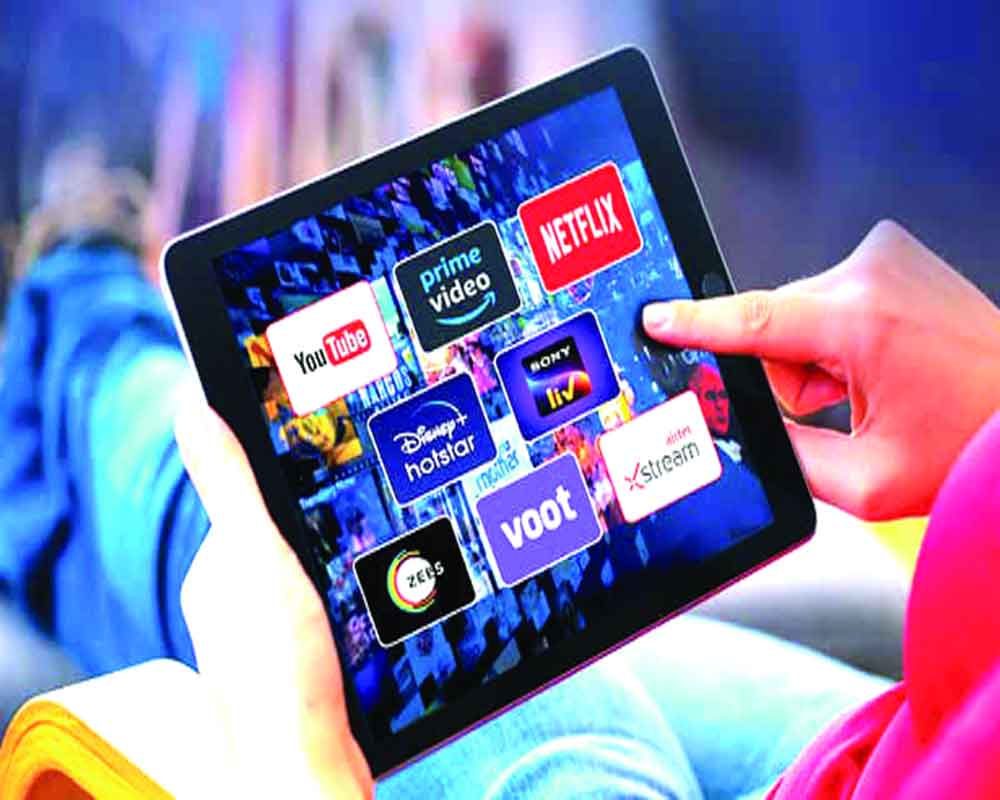
Original content is the backbone of streaming competition. Platforms like Netflix, Disney+, Amazon Prime Video, and HBO Max invest billions into exclusive series, films, documentaries, and reality shows to retain their audience.
These originals often push creative boundaries because streaming platforms are not limited by traditional broadcast rules. As a result, creators enjoy more creative freedom, and audiences receive richer, bolder narratives.
Cord-Cutting and the Decline of Traditional TV
With streaming’s convenience, cable television has experienced steady decline. Younger generations, in particular, don’t see value in channel-based subscriptions. This “cord-cutting” trend has pushed traditional networks to launch their own streaming services Peacock, Paramount+, Hotstar, and others.
The Future: Interactive and Immersive Entertainment
Streaming is only the beginning. The next wave includes virtual reality (VR), augmented reality (AR), and interactive storytelling. Platforms experimenting with choose-your-own-path formats are already setting the stage.
The future of entertainment will not just be watched, it will be experienced.