Introduction: When Your Workout Becomes a Shopping Decision
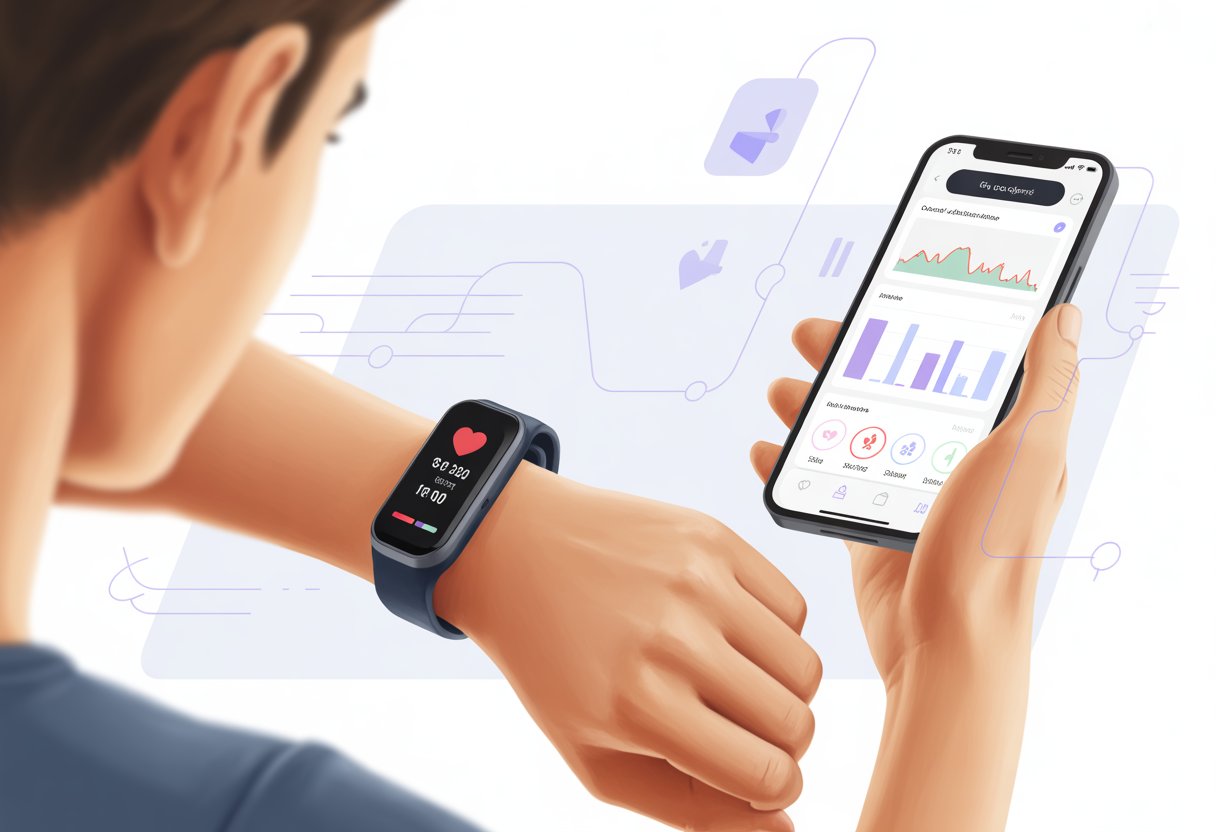
A morning run used to leave behind little more than tired legs, a few memories, and perhaps a time recorded on a stopwatch. Today, a smartwatch can transform that same run into a detailed collection of insights, tracking everything from heart rate and pace to recovery, sleep quality, and training performance. For consumers, this information offers a clearer understanding of their bodies. For technology companies, it creates something equally valuable: a deeper connection between everyday behaviour and future purchasing decisions. Garmin has built a powerful position in the wearable technology market by turning personal fitness data into a meaningful product experience that encourages users to stay engaged with its ecosystem.
Unlike brands that compete primarily on fashion, entertainment, or smartphone convenience, Garmin has developed a reputation around performance, precision, and specialised functionality. Its smartwatches and fitness devices appeal to runners, cyclists, outdoor adventurers, athletes, and people who want a more structured understanding of their health and activity. The company’s approach illustrates a wider shift in consumer technology: products are no longer judged only by what they can do when purchased, but also by how effectively they help people understand themselves over time. Garmin’s opportunity lies in making data useful enough that consumers continue wearing its devices, exploring its features, and considering additional products as their needs evolve.
From Fitness Tracking to Personalised Product Experiences
The real value of a fitness wearable extends beyond counting steps or displaying calories burned. A single measurement provides limited context, but a collection of measurements gathered over weeks and months can reveal patterns that help users make more informed decisions. Garmin devices can track a broad range of activity and performance indicators, depending on the model, including heart rate, sleep, stress estimates, training load, recovery metrics, and GPS-based movement. Features such as Body Battery, Training Readiness, and training-status insights turn these measurements into more understandable summaries of daily readiness and physical performance.
This transformation is central to Garmin’s product strategy. Instead of asking customers to interpret every number independently, the company presents selected information through dashboards, scores, trends, and recommendations. A runner who repeatedly feels exhausted after training may begin paying closer attention to recovery indicators. A cyclist preparing for a long-distance event might use performance trends to understand whether a training routine is helping. Someone who has recently started exercising may find motivation in seeing daily activity become a consistent pattern rather than an isolated achievement.
These experiences make the device feel more relevant to the person wearing it. A fitness tracker that merely records activity can eventually become predictable, particularly once the novelty of a new purchase disappears. A wearable that helps users recognise patterns, compare performance, and adjust their routines has more opportunities to remain part of everyday life. The more consistently consumers use the device, the more valuable its historical records and personalised insights can become to them.
That does not mean every user will automatically purchase another Garmin product. Rather, the data creates repeated moments in which the consumer can recognise a need, evaluate a feature, or reconsider what their current device can offer. Garmin turns ongoing engagement into a foundation for product discovery, making the customer relationship extend well beyond the original transaction.
How Fitness Data Creates Demand for Better Devices
Consumer demand often begins with a problem that people cannot clearly identify until they experience it. Someone may initially purchase a smartwatch simply to count steps, only to discover a growing interest in running pace, heart-rate zones, route navigation, or training recovery. Another user may begin with casual cycling and eventually become interested in endurance training, advanced GPS capabilities, or longer battery life. As these goals develop, the original device may no longer satisfy every requirement.
Garmin’s range of products gives consumers different options as their interests and performance needs change. The Forerunner family focuses on running and multisport training, while fēnix models combine advanced training tools with outdoor navigation and rugged construction. The vívoactive range appeals to consumers seeking a balance between everyday wellness and fitness features, while specialised products address activities such as diving, golf, and cycling. The precise capabilities vary by model and generation, but the broader strategy is clear: different customers can enter the ecosystem at different levels of commitment and move towards more specialised products when their needs justify the investment.
Consider a recreational runner who buys an entry-level fitness watch to monitor distance and pace. After several months, the runner begins preparing for a half-marathon and wants more detailed training guidance, recovery information, or navigation tools. The purchase decision is no longer driven by a generic desire to own a smartwatch. It is connected to a specific goal that has emerged through regular use of fitness technology. The consumer now has a clearer understanding of which capabilities matter and why paying for them could be worthwhile.
This is a form of demand development rather than simple product promotion. Garmin does not need to persuade every customer to upgrade immediately. Instead, the company’s product portfolio creates opportunities to serve consumers as their interests become more sophisticated. When a product helps someone identify a new requirement, the next purchase can feel like a natural extension of personal progress rather than an unnecessary expense.
The Psychology Behind Data-Driven Fitness Purchases
Numbers can influence behaviour because they make progress easier to recognise. A person may feel that their fitness is improving without knowing exactly how, but consistent measurements offer tangible evidence that can reinforce motivation. Faster running times, longer cycling distances, changes in resting heart rate, or more consistent activity patterns provide reference points that users can compare over time. These indicators can make abstract goals feel more achievable by breaking them into measurable steps.
Garmin benefits from this psychological connection between measurement and motivation. Its devices can help users establish routines, review achievements, and identify areas they want to improve. For some consumers, the appeal lies in competition and performance. For others, it is about consistency, personal accountability, or understanding how daily habits relate to energy and recovery. The same underlying technology can therefore support different motivations without requiring the company to market every product in exactly the same way.
There is also a powerful sense of personal ownership involved. After months of tracking activity, a consumer may have accumulated a detailed history of runs, cycling routes, training sessions, and daily movement. That record becomes part of the product’s perceived value. A replacement device is not evaluated only on its screen, design, or price; the customer also considers how well it fits an established routine and supports the activities they care about.
However, data-driven motivation must be handled carefully. Fitness scores are estimates, not definitive judgments about a person’s health or athletic ability. A low recovery score should not automatically be interpreted as a medical problem, and a high score does not guarantee readiness for intense exercise. Garmin’s commercial opportunity is strongest when its products support informed decisions without encouraging users to treat every metric as a target that must be maximised. Trust is essential when technology becomes part of a person’s daily relationship with their body.
Garmin Connect: The Ecosystem Behind the Device
A smartwatch may attract the initial purchase, but the accompanying software can determine how deeply the product becomes integrated into a customer’s life. Garmin Connect serves as a central platform where users can review activities, examine historical trends, analyse workouts, and explore different aspects of their fitness routines. Instead of treating each workout as a separate event, the platform helps connect individual sessions to a broader picture of activity and performance.
This software layer matters because it extends the usefulness of Garmin hardware beyond the moment when information is collected. A GPS watch records a run, but the app allows the user to revisit the route, compare pace, study performance over time, and understand how the latest session fits into a longer training history. For customers who enjoy reviewing their progress, the experience can become a regular part of planning future workouts.
From a business perspective, this creates a relationship that is more durable than a single device transaction. Customers have more reasons to return to the platform, engage with their data, and continue using compatible products. The ecosystem can also make Garmin’s specialised devices more appealing because hardware and software work together to support a particular activity or lifestyle.
Yet ecosystem loyalty is not automatic. Customers will continue using a platform only when it provides genuine value, works reliably, and respects their expectations around privacy and control. A complicated interface, confusing recommendations, or concerns about personal data can weaken engagement. Garmin’s long-term challenge is therefore not simply to collect more information, but to make the information understandable, useful, and worthy of continued trust.
Product Segmentation: Selling Solutions Instead of Specifications
The wearable market is crowded with products that promise activity tracking, notifications, health insights, and connected convenience. When companies compete only on lists of technical specifications, consumers can struggle to understand why one device deserves a higher price than another. Garmin’s specialised product families offer a different way to frame the purchase: the value of a device depends on what the customer wants to accomplish.
For a dedicated runner, accurate GPS performance, training analysis, and race preparation may matter more than lifestyle features. For a hiker or mountaineer, navigation, durability, and battery endurance may be central considerations. A golfer may prioritise course information and performance tracking, while a consumer interested in general wellness may prefer a device that combines everyday activity monitoring with a comfortable design.
This approach helps Garmin connect product features to identifiable consumer needs. Rather than presenting advanced technology as valuable in isolation, the company can explain how particular capabilities support specific activities. It also creates a clearer basis for product differentiation, allowing customers to compare devices according to their intended use instead of assuming that the most expensive smartwatch is necessarily the best choice.
For marketing teams, the lesson is significant. Strong product positioning begins with understanding the customer, not simply describing the technology. Fitness data can help illustrate why users value particular features, while product segmentation gives those insights a commercial destination. When a company understands what different groups are trying to achieve, it can communicate benefits more precisely and develop products that serve distinct requirements.
The Role of Premium Pricing and Perceived Value
Garmin’s positioning in several wearable categories demonstrates how specialist functionality can support premium pricing. Consumers may be willing to pay more for a product when they believe it offers meaningful advantages for their activities, whether through navigation, training tools, durability, battery life, or sport-specific features. The important distinction is between a high price and a price that the customer believes is justified.
Fitness data can strengthen this perceived value by helping customers understand how frequently they use a feature and how it contributes to their routine. A serious runner who regularly reviews training performance may place greater value on advanced analysis than someone who exercises occasionally. Similarly, an outdoor enthusiast who depends on navigation and extended battery performance may consider these capabilities essential rather than optional.
This does not mean that data alone makes a device worth its price. Design, reliability, comfort, compatibility, customer support, and competition all influence the final decision. Nor does greater engagement necessarily mean that a consumer will purchase a more expensive model. The business opportunity arises when product capabilities match a genuine need and the customer can clearly understand the benefit.
Garmin’s broader lesson for consumer technology is that premium positioning becomes more persuasive when it is tied to practical outcomes. Instead of relying exclusively on luxury cues or technical language, brands can show how their products help users train with greater structure, explore with more confidence, or maintain a consistent routine. The strongest value proposition connects a feature to a real-life situation the customer recognises.
Turning Engagement Into Marketing Intelligence
Fitness data can reveal more than individual performance patterns. At an aggregate level, appropriately analysed and privacy-protected product usage information may help technology businesses understand which features customers value, where they encounter difficulties, and how their needs evolve. Such insights can inform product development, user education, customer support, and broader marketing strategy. However, the existence of data does not automatically establish that Garmin uses every possible behavioural signal for targeted advertising or individual purchase prediction. The distinction between a plausible business opportunity and a documented company practice matters.
For Garmin, the clearest commercial connection is the relationship between its specialised products and the activities they support. A consumer who becomes increasingly interested in structured running may explore more advanced running features, while someone who spends more time outdoors may seek stronger navigation capabilities. These shifts create opportunities for relevant product education and better communication about the company’s different devices.
Effective marketing in this environment is less about pushing every customer towards an upgrade and more about helping people understand which product suits their current goals. A useful comparison guide, an explanation of training features, or a demonstration of navigation capabilities can reduce confusion and support a more informed buying decision. The company can communicate with consumers according to their interests without assuming that every user wants the same outcome.
This approach also reflects a wider transformation in digital marketing. Modern consumer technology brands increasingly compete on the quality of the ongoing experience, not just on advertising reach. When a product repeatedly delivers useful insights, it creates opportunities for customer retention, recommendations, and future purchases. Product experience becomes part of marketing itself.
Privacy, Trust, and the Limits of Personalisation
The same data that makes a fitness wearable useful can also make privacy a serious concern. Activity histories, GPS routes, sleep patterns, and health-related measurements can reveal sensitive details about a person’s routines and lifestyle. Consumers therefore need clear information about what is collected, how it is processed, what is shared, and which privacy controls are available.
For a company operating in the wearable technology industry, trust is not a secondary feature. It influences whether customers feel comfortable using the device consistently and whether they believe the benefits outweigh the risks. Privacy settings, transparent policies, appropriate security practices, and meaningful user control are important parts of a responsible product experience.
There is also a commercial limit to personalisation. If recommendations feel intrusive, pressure users to buy unnecessary products, or imply that ordinary changes in fitness metrics require immediate action, the relationship can become less trustworthy. A sustainable strategy should help customers understand their needs without exploiting their anxieties or treating sensitive information as an unrestricted marketing resource.
Garmin’s example therefore raises an important question for the entire wearable market: how can companies create commercial value from data while preserving the confidence that makes consumers willing to share it? The strongest answer is to focus on utility, transparency, and user control. When people understand why a feature exists and how it helps them, the product has a stronger foundation for long-term engagement.
What Other Consumer Technology Brands Can Learn From Garmin
Garmin’s approach offers lessons for companies beyond fitness watches. Smart-home manufacturers, productivity software businesses, connected-device brands, and digital health platforms all face a similar challenge: turning ongoing product usage into a better customer experience. The most valuable information is not necessarily the largest amount of information. It is the information that helps a company identify a real customer problem and provide a useful solution.
First, businesses should make complex data understandable. Customers are more likely to appreciate technology when it translates measurements into clear explanations and practical next steps. Second, product portfolios should reflect different levels of customer need, allowing people to choose a suitable solution without paying for capabilities they will never use. Third, the software experience should reinforce the value of the physical product, giving customers reasons to return after the initial purchase.
Finally, companies should recognise that engagement and purchasing intent are not the same thing. Someone who opens an app every day may be highly satisfied with their current device and have no desire to upgrade. Another customer may use the product less frequently but have a specific need that a different model can address. Understanding these distinctions is essential for responsible marketing and effective product strategy.
The broader lesson is that customer data is most useful when it improves decisions on both sides of the relationship. Consumers gain better tools for pursuing their goals, while businesses gain a clearer understanding of the problems their products should solve. When those interests align, commercial growth can emerge from genuine usefulness rather than constant promotional pressure.
Conclusion: The Future of Wearables Is About More Than Numbers
Garmin demonstrates how fitness technology can become more valuable when it turns measurements into meaningful experiences. By combining wearable hardware, activity tracking, specialised product families, and a connected software platform, the company gives consumers opportunities to understand their routines and pursue increasingly specific goals. Those experiences can also create pathways to future product discovery when customers develop new interests or need capabilities their existing devices do not provide.
The important point is not that every recorded workout leads to another sale. It is that useful data can deepen engagement, clarify customer needs, and make product benefits easier to understand. That relationship creates commercial opportunities while placing a responsibility on brands to protect privacy, communicate accurately, and avoid overstating what fitness metrics can tell users.
As wearable technology becomes more sophisticated, the companies that stand out will not necessarily be those that collect the most data. They will be the ones that transform information into clear, trusted, and practical value. Garmin’s strategy illustrates why the future of fitness technology is not simply about tracking how people move. It is about helping them understand what that movement means—and building products that remain relevant as their ambitions change.