Introduction
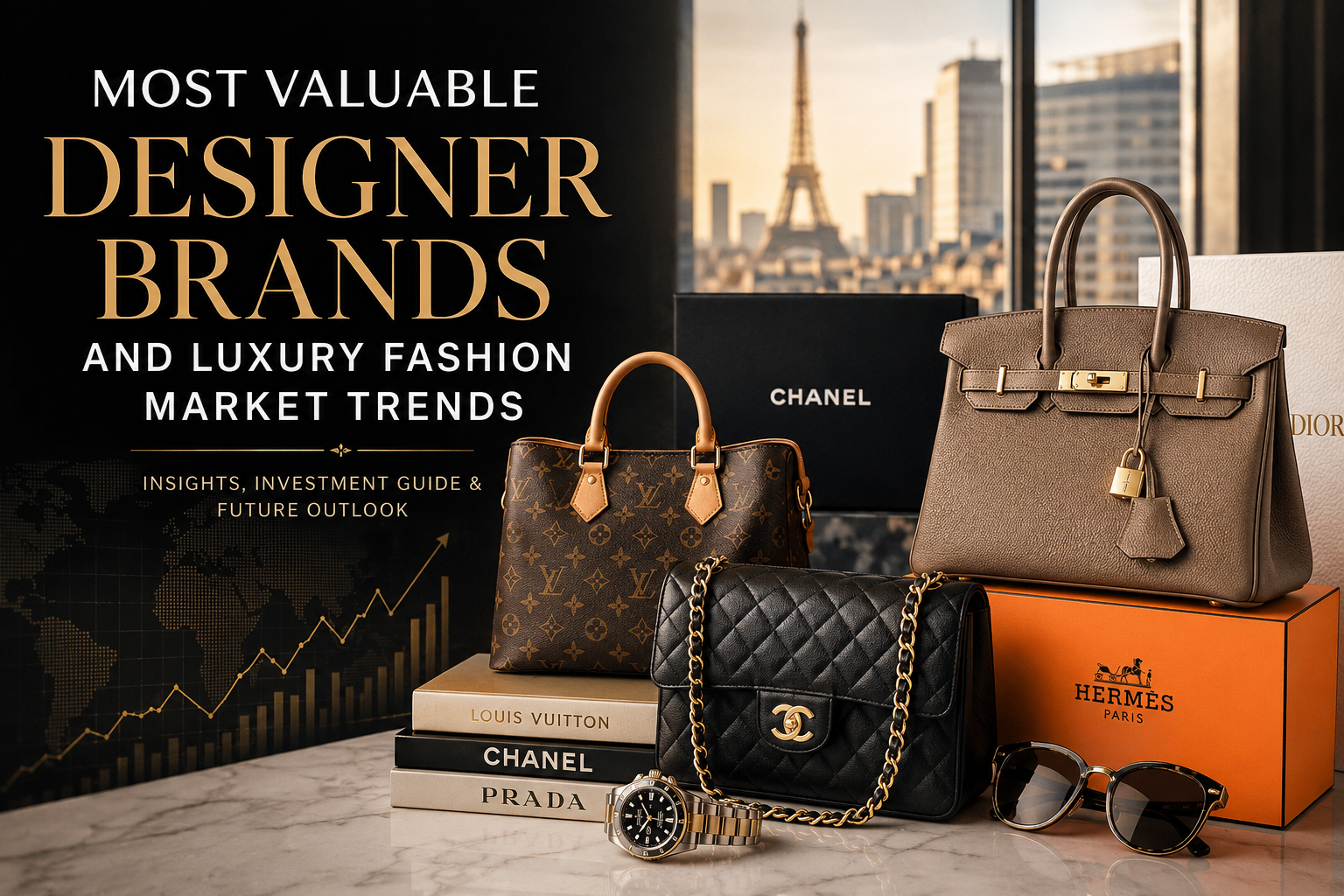
The global luxury fashion industry continues to evolve, driven by changing consumer preferences, digital innovation, sustainability initiatives, and growing demand from emerging markets. Despite economic uncertainty in many regions, leading luxury brands maintain their influence through heritage, craftsmanship, exclusivity, and strong brand positioning.
Luxury fashion is no longer limited to clothing and accessories. Today, it represents a lifestyle that includes handbags, jewellery, watches, beauty products, travel experiences, and digital engagement. For consumers, luxury goods symbolize quality and status. For investors and industry analysts, luxury brands represent some of the most valuable and resilient businesses in the world.
This article explores the most valuable designer brands, the factors that contribute to their success, and the latest luxury fashion market trends shaping the industry.
Understanding Luxury Brand Value
A luxury brand’s value extends beyond its financial performance. Several factors contribute to its overall worth:
Brand Heritage
Luxury consumers often appreciate brands with a long history and strong cultural significance. Heritage creates trust and reinforces exclusivity.
Craftsmanship
Exceptional quality remains a defining characteristic of luxury goods. Handmade products, premium materials, and attention to detail justify higher prices.
Exclusivity
Limited production and controlled distribution help luxury brands maintain desirability and prestige.
Innovation
While heritage matters, successful luxury brands continuously adapt through technology, sustainability, and digital marketing strategies.
Global Recognition
International visibility and strong customer loyalty contribute significantly to brand valuation.
The Most Valuable Designer Brands in the World
Louis Vuitton
Louis Vuitton remains one of the most valuable luxury brands globally. Founded in 1854, the French fashion house is known for leather goods, handbags, luggage, ready-to-wear collections, and accessories.
Why Louis Vuitton Leads the Market
- Strong global recognition
- Consistent product demand
- Strategic collaborations with artists and designers
- Extensive retail network
- Strong digital presence
The brand’s iconic monogram remains one of the most recognizable symbols in luxury fashion.
Chanel
Chanel is synonymous with timeless elegance and sophistication. Established by Gabrielle “Coco” Chanel, the brand revolutionized women’s fashion.
Key Strengths
- Classic products such as the Chanel Flap Bag
- Strong fragrance business
- Limited discounting strategy
- High resale value
Chanel’s ability to preserve exclusivity while expanding globally contributes significantly to its valuation.
Hermès
Hermès represents the pinnacle of luxury craftsmanship. The brand is famous for its Birkin and Kelly handbags, which often appreciate in value over time.
What Makes Hermès Unique
- Extremely limited production
- Exceptional craftsmanship
- Long waiting lists
- Strong resale market
Many luxury investors consider certain Hermès handbags alternative investment assets due to their consistent demand.
Gucci
Gucci has successfully blended heritage with contemporary fashion. The Italian luxury brand appeals to both traditional luxury consumers and younger generations.
Success Factors
- Strong digital marketing
- Celebrity endorsements
- Innovative collections
- Global retail expansion
Gucci continues to influence fashion trends worldwide while maintaining its luxury positioning.
Dior
Christian Dior is one of the most influential luxury fashion houses. Known for haute couture, handbags, cosmetics, and fragrances, Dior has experienced remarkable growth in recent years.
Growth Drivers
- Strong luxury handbag segment
- Successful beauty products
- Influential fashion shows
- Global expansion
Dior’s ability to combine tradition and innovation has strengthened its market position.
Prada
Prada is recognized for minimalist luxury and sophisticated design. The Italian fashion house maintains strong demand across key international markets.
Competitive Advantages
- Distinctive design identity
- Premium product quality
- Strong presence in Asia
- Focus on sustainability initiatives
Prada’s modern approach continues to attract fashion-conscious consumers worldwide.
Rolex
Although primarily known for watches, Rolex remains one of the most valuable luxury brands globally.
Market Strengths
- Exceptional craftsmanship
- High resale value
- Strong brand trust
- Limited supply strategy
Many Rolex models appreciate significantly in value, increasing their appeal among collectors and investors.
Luxury Fashion Market Trends Shaping the Industry
The luxury sector continues to experience transformation through emerging technologies, changing consumer behaviour, and sustainability concerns.
Rise of Younger Luxury Consumers
Millennials and Generation Z are becoming major contributors to luxury spending worldwide.
What Younger Buyers Want
- Authentic brand stories
- Sustainability commitments
- Digital shopping experiences
- Exclusive product launches
- Personalized services
Luxury brands are increasingly adapting their marketing strategies to attract younger audiences.
Growth of Luxury E-Commerce
Online luxury shopping has become an essential component of the industry.
Key Developments
- Enhanced virtual shopping experiences
- AI-powered recommendations
- Luxury brand-owned online stores
- Mobile commerce growth
Consumers now expect seamless experiences across both digital and physical retail channels.
Sustainability Becomes a Priority
Environmental responsibility is no longer optional for luxury brands.
Sustainability Initiatives Include
- Ethical sourcing
- Carbon reduction programs
- Circular fashion models
- Sustainable materials
- Transparent supply chains
Consumers increasingly evaluate luxury brands based on their environmental impact.
Expansion of the Luxury Resale Market
The second-hand luxury market has experienced significant growth.
Why Resale Is Growing
- Increased sustainability awareness
- Access to rare items
- Lower entry prices
- Strong investment potential
Luxury handbags, watches, and accessories often retain substantial value in resale markets.
Artificial Intelligence in Luxury Fashion
AI is transforming various aspects of the luxury industry.
Applications of AI
- Personalized shopping recommendations
- Demand forecasting
- Customer service automation
- Inventory management
- Trend analysis
Luxury brands use AI to improve customer experiences while maintaining exclusivity.
Digital Fashion and Virtual Experiences
Luxury companies are exploring digital products and immersive experiences.
Emerging Opportunities
- Virtual fashion shows
- Digital clothing
- Augmented reality shopping
- Virtual try-on technology
These innovations help brands engage digitally native consumers.
Luxury Handbags as Investment Assets
Luxury handbags have become increasingly attractive as alternative investments.
Top Investment Handbag Brands
Hermès
The Birkin and Kelly bags remain among the strongest-performing luxury assets.
Chanel
Classic Flap Bags consistently maintain high resale values.
Louis Vuitton
Limited-edition collaborations often appreciate significantly over time.
Dior
Certain Lady Dior editions have become highly collectible.
Factors That Influence Handbag Value
Several elements determine investment potential:
Rarity
Limited-edition pieces typically command higher prices.
Condition
Excellent condition significantly increases resale value.
Material
Exotic leathers and premium materials often appreciate more rapidly.
Brand Reputation
Established luxury houses generally offer stronger long-term value retention.
Regional Luxury Market Trends
Asia-Pacific
Asia remains a major growth engine for luxury brands.
Key Markets
- China
- South Korea
- Japan
- Singapore
Rising incomes and increasing interest in luxury experiences continue to drive demand.
North America
The United States remains one of the world’s largest luxury markets.
Current Trends
- Growth in online luxury sales
- Increased demand for premium experiences
- Expansion of luxury resale platforms
Consumers increasingly prioritize exclusivity and personalization.
Europe
Europe continues to serve as the global center of luxury fashion.
Market Drivers
- Tourism spending
- Strong heritage brands
- Luxury retail destinations
Cities such as Paris, Milan, and London remain critical hubs for luxury shopping.
Middle East
Luxury demand continues to rise across the Gulf region.
Growth Factors
- High disposable incomes
- Growing luxury retail infrastructure
- Demand for premium fashion experiences
Luxury brands are investing heavily in the region through flagship stores and exclusive events.
Challenges Facing Luxury Brands
Despite strong growth opportunities, luxury companies face several challenges.
Counterfeiting
Fake luxury goods remain a major issue worldwide.
Economic Volatility
Global economic uncertainty can influence consumer spending patterns.
Sustainability Expectations
Consumers increasingly expect brands to demonstrate environmental responsibility.
Digital Competition
Luxury companies must balance innovation with exclusivity in digital environments.
Future Outlook for Luxury Fashion
The future of luxury fashion will likely be shaped by innovation, sustainability, and personalization.
Industry experts expect continued growth in:
- Sustainable luxury products
- AI-driven customer experiences
- Luxury resale markets
- Digital fashion initiatives
- Emerging market expansion
Brands that successfully combine heritage with innovation are likely to maintain their leadership positions.
Conclusion
The world’s most valuable designer brands—including Louis Vuitton, Chanel, Hermès, Gucci, Dior, Prada, and Rolex have achieved success through a combination of craftsmanship, heritage, exclusivity, and innovation. As the luxury fashion industry evolves, emerging trends such as sustainability, artificial intelligence, digital commerce, and luxury resale are reshaping the market.
For consumers, luxury products continue to represent quality, prestige, and personal expression. For investors and industry observers, leading luxury brands remain among the most influential and resilient businesses in the global economy. Understanding these brands and the trends driving their growth provides valuable insight into the future of luxury fashion and its expanding role in the global marketplace.