
The global fashion industry is no longer just about trends, runways, and seasonal collections. It has evolved into a multi-trillion-dollar business driven by luxury demand, digital commerce, artificial intelligence, sustainability initiatives, and expanding consumer markets. For investors seeking exposure to strong global brands, fashion stocks can offer an attractive combination of growth, profitability, and brand power.
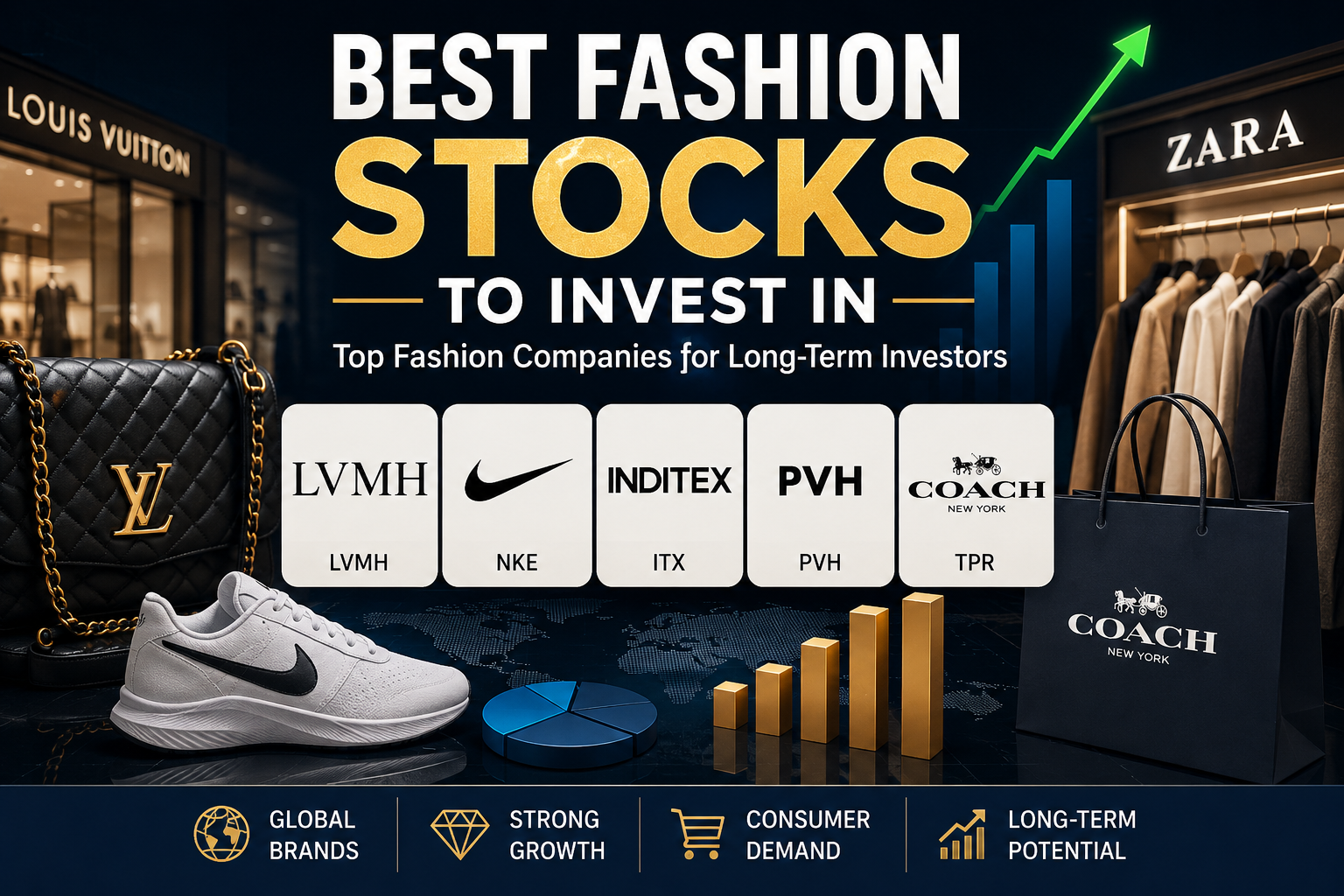
From luxury giants such as LVMH to sportswear leaders like Nike and retail innovators like Inditex, fashion companies continue to shape consumer behaviour while generating significant shareholder value. Understanding which fashion stocks deserve attention can help investors build a diversified portfolio that benefits from long-term industry growth.
This article explores some of the most influential publicly traded fashion companies and the key investment trends shaping the fashion sector in 2026.
Why Invest in Fashion Stocks?
Fashion companies possess several characteristics that make them appealing to investors:
Strong Brand Loyalty
Consumers often develop emotional connections with fashion brands. Luxury labels, athletic apparel companies, and premium lifestyle brands can maintain customer loyalty for decades, creating recurring revenue streams.
Global Market Reach
Leading fashion companies operate across multiple countries and continents. Their international presence reduces dependence on any single market and provides opportunities for growth in emerging economies.
Digital Transformation
E-commerce, mobile shopping, social media marketing, and AI-powered personalization are helping fashion brands increase efficiency and improve customer experiences.
Growing Luxury Demand
Despite economic fluctuations, the global luxury market continues to expand, particularly among younger affluent consumers and high-net-worth individuals.
Key Trends Driving Fashion Industry Investments
Before examining individual stocks, investors should understand the major trends shaping the fashion industry.
1. Luxury Fashion Expansion
Luxury brands continue to outperform many other segments of the fashion market. Wealth creation, global tourism recovery, and rising consumer interest in premium products support long-term growth.
2. Sustainability and Ethical Fashion
Consumers increasingly expect brands to address environmental and social concerns. Companies investing in sustainable materials, recycling programs, and transparent supply chains may gain competitive advantages.
3. Artificial Intelligence and Data Analytics
AI is transforming inventory management, demand forecasting, customer recommendations, and product design. Fashion brands using advanced technologies can improve profitability and reduce waste.
4. Direct-to-Consumer Sales
Many fashion companies are reducing dependence on third-party retailers and strengthening direct relationships with customers through online stores and branded experiences.
LVMH: The Luxury Fashion Powerhouse
Company Overview
LVMH Moët Hennessy Louis Vuitton is the world’s largest luxury goods company. Its portfolio includes globally recognized brands such as:
- Louis Vuitton
- Dior
- Fendi
- Givenchy
- Bulgari
- Tiffany & Co.
The company operates across luxury fashion, jewellery, cosmetics, watches, and premium beverages.
Why Investors Watch LVMH
LVMH benefits from exceptional brand recognition and pricing power. Unlike many businesses that compete primarily on price, luxury brands can maintain high margins because consumers value exclusivity and prestige.
Key Strengths
- Diverse portfolio of luxury brands
- Global customer base
- Strong profitability
- Consistent expansion into new markets
Long-Term Potential
Luxury consumption continues to grow in Asia, North America, and the Middle East. LVMH’s ability to acquire and develop premium brands positions it as a leader in the luxury sector.
Nike: A Global Sportswear Leader
Company Overview
Nike remains one of the most recognizable brands in the world. The company designs and sells athletic footwear, apparel, and equipment across numerous categories.
Nike’s influence extends beyond sports, becoming a major force in fashion, lifestyle, and streetwear culture.
Why Investors Consider Nike
Nike combines innovation, marketing excellence, and global distribution. The company invests heavily in product development and digital engagement.
Key Advantages
- Powerful brand equity
- Strong direct-to-consumer strategy
- Global presence
- Innovation-driven product pipeline
Growth Opportunities
Nike continues expanding digital commerce and personalized shopping experiences. Its partnerships with athletes, influencers, and cultural icons strengthen brand relevance among younger consumers.
Inditex (Zara): The Fast Fashion Innovator
Company Overview
Inditex is the parent company of Zara, one of the world’s most successful fashion retailers.
Unlike many competitors, Zara has built a reputation for rapidly responding to changing fashion trends while maintaining operational efficiency.
What Makes Inditex Unique?
The company has developed an advanced supply chain capable of bringing new products from concept to store shelves quickly.
Strengths
- Efficient inventory management
- Fast response to consumer demand
- Strong international footprint
- Integrated online and offline retail strategy
Investment Outlook
As digital commerce continues expanding, Inditex’s ability to combine physical stores with online channels provides a competitive advantage.
PVH Corp: Owner of Iconic Global Brands
Company Overview
PVH Corp owns several well-known fashion brands, including:
- Calvin Klein
- Tommy Hilfiger
These brands have established global recognition and continue expanding through both retail and licensing channels.
Why Investors Follow PVH
PVH’s strategy focuses on strengthening premium lifestyle brands while improving operational efficiency.
Key Growth Drivers
- International expansion
- Brand modernization
- Digital transformation
- Direct-to-consumer initiatives
Long-Term Considerations
The company continues investing in brand positioning and customer engagement, which could support future growth.
Tapestry: Building a Modern Luxury Portfolio
Company Overview
Tapestry owns several luxury and premium brands, including:
- Coach
- Kate Spade
- Stuart Weitzman
The company focuses on accessible luxury products, appealing to consumers seeking premium quality without ultra-luxury pricing.
Why Tapestry Attracts Investors
Accessible luxury remains one of the fastest-growing segments in fashion.
Competitive Advantages
- Strong brand recognition
- Growing international presence
- Customer loyalty programs
- Expanding digital sales
Future Growth Potential
As middle-income consumers increasingly seek premium products, Tapestry may benefit from continued demand for affordable luxury goods.
Comparing These Fashion Stocks
| Company | Market Segment | Key Strength |
| LVMH | Luxury Fashion | Premium global brands |
| Nike | Sportswear | Brand power and innovation |
| Inditex | Fast Fashion | Supply chain efficiency |
| PVH | Lifestyle Fashion | Global brand portfolio |
| Tapestry | Accessible Luxury | Premium consumer demand |
Each company serves a different segment of the fashion market, providing investors with various ways to gain exposure to industry growth.
Risks Investors Should Consider
No investment is risk-free. Fashion stocks face several challenges.
Economic Slowdowns
Consumer spending may decline during economic uncertainty, affecting fashion sales.
Changing Consumer Preferences
Fashion trends evolve quickly. Brands must continuously innovate to remain relevant.
Supply Chain Disruptions
Global sourcing and manufacturing networks can be affected by geopolitical events, transportation issues, or labour shortages.
Currency Fluctuations
Multinational companies generate revenue in multiple currencies, which can impact earnings.
How to Evaluate Fashion Stocks
Before investing, consider the following factors:
Revenue Growth
Consistent sales growth often indicates strong demand and effective business execution.
Profit Margins
Higher margins can signal pricing power and operational efficiency.
Brand Strength
Companies with iconic brands often enjoy long-term competitive advantages.
Digital Strategy
Strong e-commerce capabilities are increasingly important for future growth.
Global Expansion Potential
Companies entering new markets may benefit from additional revenue opportunities.
The Future of Fashion Investing
The fashion industry is entering a new era shaped by technology, sustainability, and changing consumer expectations.
Several developments are likely to influence fashion stocks over the coming years:
- AI-powered retail experiences
- Personalized shopping recommendations
- Sustainable production methods
- Digital fashion and virtual products
- Advanced supply chain technologies
Companies that successfully adapt to these trends may generate stronger long-term returns for investors.
Final Thoughts
Fashion investing offers exposure to some of the world’s most powerful consumer brands. Companies such as LVMH, Nike, Inditex, PVH, and Tapestry each represent different opportunities within the industry, from luxury goods and sportswear to fast fashion and accessible luxury.
While no stock can guarantee future performance, investors who focus on strong brands, healthy financials, digital innovation, and long-term market trends may be better positioned to benefit from the evolution of the global fashion industry.
As always, conduct thorough research, review company financial statements, and consider your investment objectives before making any investment decisions.