Introduction
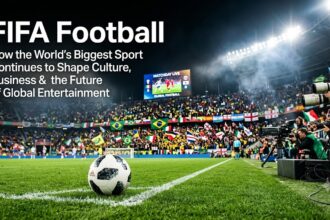
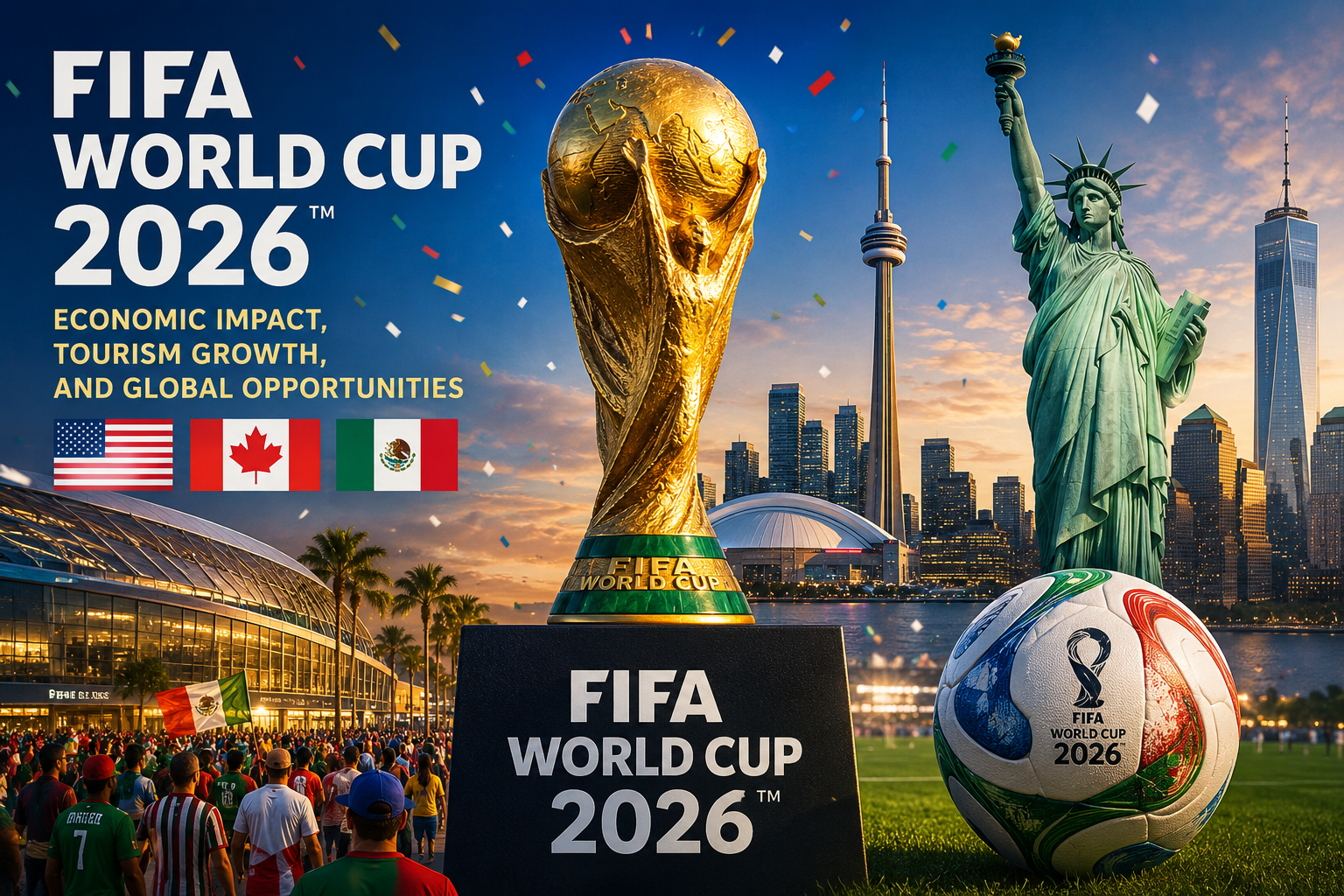
The FIFA World Cup has long been more than a sporting spectacle. It is a global economic engine, a tourism catalyst, and a strategic platform for international business. As the world prepares for the FIFA World Cup 2026, hosted jointly by the United States, Canada, and Mexico, expectations are reaching unprecedented levels. The tournament will be the largest in FIFA history, featuring 48 national teams and an expanded schedule that promises to attract millions of visitors and billions of viewers worldwide.
For governments, corporations, investors, and tourism stakeholders, the World Cup represents a unique convergence of sports, commerce, infrastructure development, and international branding. Beyond the excitement on the pitch, the tournament is expected to generate billions of dollars in economic activity while reshaping tourism patterns across North America.
As brands such as Qatar Airways, Visa, Adidas, and Coca-Cola strengthen their global presence through World Cup partnerships, FIFA 2026 offers a compelling case study in how mega sporting events influence economies and create long-term opportunities.
The Largest FIFA World Cup in History
The 2026 tournament marks a historic milestone for FIFA. For the first time, 48 teams will compete, up from the previous format of 32 teams. The event will be spread across multiple cities in three countries, creating a continental-scale celebration of football.
This expanded format is expected to:
- Increase international travel demand
- Generate higher ticket revenues
- Expand broadcasting opportunities
- Create additional sponsorship inventory
- Encourage investment in transportation and hospitality infrastructure
Industry analysts estimate that global viewership could exceed five billion cumulative viewers throughout the tournament, making it one of the most-watched events in human history.
The sheer scale of FIFA World Cup 2026 transforms it from a sports event into a major economic phenomenon.
Economic Impact Across North America
Mega sporting events often serve as short-term economic stimulants and long-term development catalysts. FIFA World Cup 2026 is projected to deliver substantial economic benefits across host cities and participating nations.
Job Creation
Preparation and execution of the tournament require significant workforce expansion in sectors such as:
- Construction
- Transportation
- Hospitality
- Event management
- Security
- Technology services
- Retail
Thousands of temporary and permanent jobs are expected to emerge before, during, and after the competition.
Infrastructure projects associated with stadium upgrades, airport modernization, and public transportation improvements further contribute to employment growth.
Increased Consumer Spending
Visitors attending World Cup matches spend money on:
- Hotels
- Restaurants
- Local transportation
- Entertainment
- Shopping
- Tourism attractions
This spending generates revenue for local businesses and supports small and medium-sized enterprises that benefit from increased international foot traffic.
Tax Revenue Growth
Governments often experience increased tax revenues from tourism spending, business activity, and commercial transactions linked to the event.
These funds can help offset public investments made in infrastructure and event operations.
Tourism Growth: A Global Travel Opportunity
Tourism is expected to be one of the biggest beneficiaries of FIFA World Cup 2026.
International Visitor Surge
Millions of football fans from Europe, Asia, Africa, South America, and the Middle East are expected to travel to North America.
Unlike previous tournaments hosted by a single country, FIFA 2026 offers visitors the opportunity to explore three nations within a single sporting journey.
Fans may travel from:
- New York to Toronto
- Los Angeles to Mexico City
- Dallas to Vancouver
This multi-country experience creates a powerful tourism proposition rarely seen in global sports.
Hotel and Hospitality Expansion
Major hotel brands and independent operators are already preparing for increased demand.
Expected beneficiaries include:
- Marriott International
- Hilton Hotels
- Hyatt
- Accor
- Airbnb
High occupancy rates during the tournament could generate billions in hospitality revenue.
Destination Branding
Host cities gain valuable international exposure through global broadcasts.
Cities such as:
- Toronto
- Vancouver
- Mexico City
- Los Angeles
- Dallas
- Miami
- Atlanta
will showcase their cultural attractions, infrastructure, and investment potential to worldwide audiences.
For many destinations, World Cup exposure can drive tourism growth long after the final match has been played.
Infrastructure Investments and Urban Development
One of the most significant long-term benefits of hosting major sporting events is infrastructure modernization.
Transportation Improvements
Governments and municipalities are investing in:
- Airport expansions
- Public transit upgrades
- Smart mobility systems
- Road improvements
- Digital transportation technologies
These investments not only support the tournament but also improve urban efficiency for residents and future visitors.
Smart City Innovations
Many host cities are integrating advanced technologies, including:
- AI-driven crowd management
- Smart ticketing systems
- Digital wayfinding
- Real-time traffic monitoring
- Contactless payment solutions
These innovations help create safer and more efficient experiences while leaving lasting technological benefits.
Stadium Modernization
Existing stadiums are receiving upgrades focused on:
- Sustainability
- Energy efficiency
- Fan engagement technology
- Enhanced security
These improvements increase the long-term value of sports infrastructure.
Global Business Opportunities
The World Cup is a powerful platform for international commerce.
Sponsorship and Advertising
Global brands view FIFA as one of the most effective marketing channels available.
Sponsors gain access to:
- Massive global audiences
- Multi-generational fan bases
- Premium media exposure
- International consumer engagement
Companies investing heavily in FIFA partnerships include:
- Adidas
- Coca-Cola
- Visa
- Qatar Airways
- Hyundai
- Lenovo
For these organizations, the World Cup is not simply advertising—it is strategic brand positioning.
Retail and Merchandise
Official merchandise sales are expected to reach record levels.
Popular categories include:
- Team jerseys
- Footwear
- Fan accessories
- Collectibles
- Digital products
Sportswear giants such as Adidas and Nike are likely to experience significant demand increases during the tournament.
Technology Partnerships
Technology companies increasingly play critical roles in modern sporting events.
Opportunities exist in:
- Cybersecurity
- Data analytics
- Cloud computing
- Artificial intelligence
- Broadcasting technology
The integration of digital solutions creates lucrative contracts and long-term business relationships.
The Strategic Role of Global Brands
Adidas
As one of FIFA’s most recognizable partners, Adidas benefits from global visibility through match balls, team kits, and fan merchandise.
The company uses the tournament to strengthen consumer engagement and drive product sales worldwide.
Coca-Cola
Coca-Cola has maintained a decades-long relationship with FIFA.
The World Cup provides opportunities to launch marketing campaigns that connect with diverse audiences across multiple regions.
Visa
Visa leverages the event to promote digital payments and financial technology solutions.
As international travel increases, demand for secure and seamless payment systems rises significantly.
Qatar Airways
As a global aviation leader, Qatar Airways benefits from increased international travel associated with football tourism.
The airline’s sponsorship strategy reinforces brand recognition while supporting passenger growth.
Challenges and Risks
Despite enormous opportunities, FIFA World Cup 2026 faces several challenges.
Security Management
Managing millions of visitors across multiple countries requires extensive coordination among law enforcement agencies and security organizations.
Cost Control
Large-scale sporting events can experience budget overruns if infrastructure projects exceed expectations.
Effective financial planning is essential to maximize economic returns.
Sustainability Concerns
Environmental impacts associated with international travel and event operations remain a key concern.
Stakeholders are increasingly expected to adopt:
- Renewable energy solutions
- Carbon reduction strategies
- Waste management programs
- Sustainable transportation initiatives
Balancing growth with environmental responsibility will be critical.
The Future of Sports-Driven Economic Development
The World Cup reflects a broader trend in which sports serve as engines for economic development and international collaboration.
Governments increasingly view major sporting events as opportunities to:
- Attract foreign investment
- Promote tourism
- Strengthen national branding
- Accelerate infrastructure projects
- Stimulate local economies
As competition for hosting rights intensifies, future tournaments are likely to place even greater emphasis on sustainability, technology, and economic impact measurement.
Conclusion
FIFA World Cup 2026 is poised to become one of the most influential sporting events ever staged. Its expanded format, tri-nation hosting model, and unprecedented global reach position it as a transformative economic and tourism opportunity.
The tournament’s impact will extend far beyond football. It will generate jobs, stimulate investment, accelerate infrastructure development, boost international tourism, and create valuable commercial opportunities for businesses worldwide.
For global brands such as Adidas, Coca-Cola, Visa, and Qatar Airways, the event represents a powerful platform for engagement with billions of consumers. For host cities and nations, it offers a chance to showcase innovation, hospitality, and economic potential on the world’s biggest stage.
As the countdown to 2026 continues, one thing is clear: the FIFA World Cup is not merely a sporting competition. It is a global economic event that will shape business, tourism, and international partnerships for years to come.