
This Is the Real Solution
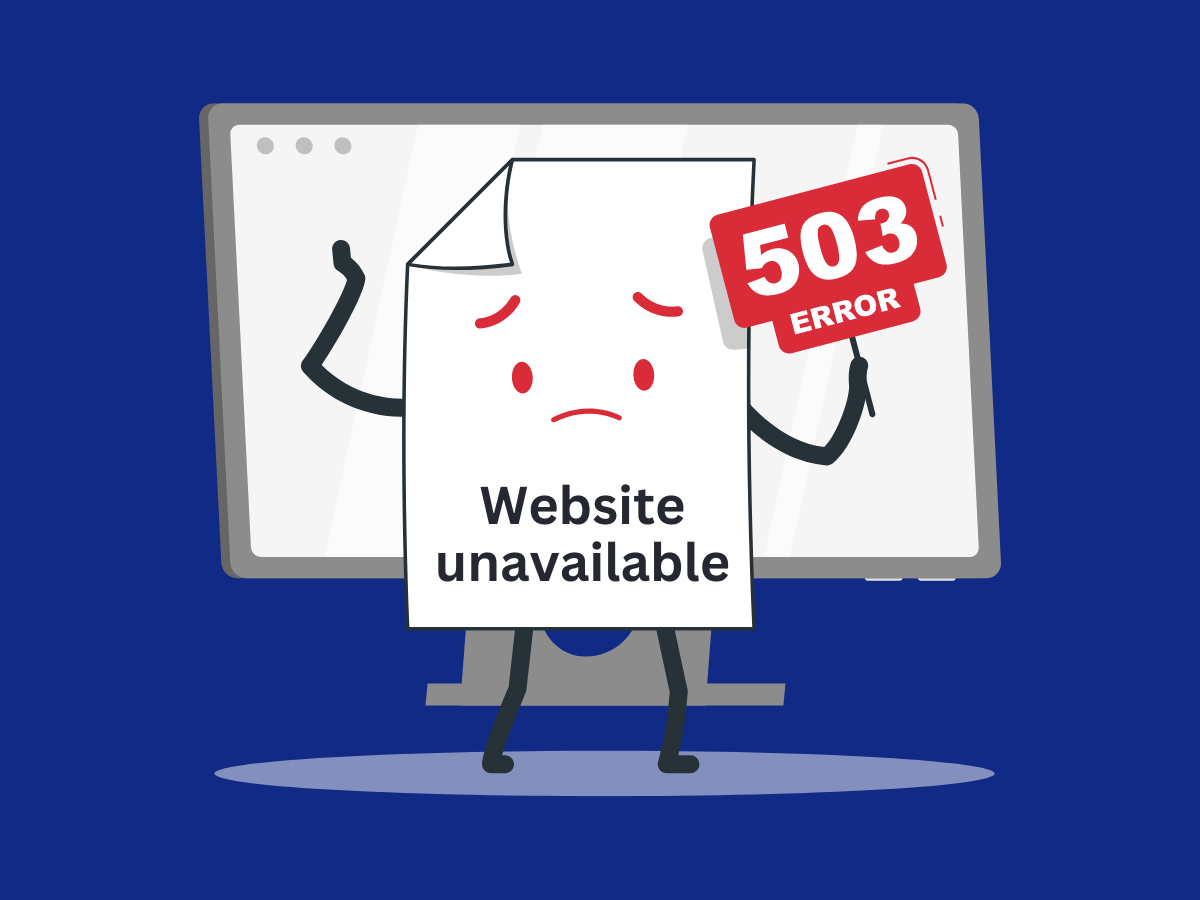
In a digital-first world, your website is the center of your business operations. It attracts customers, builds trust, supports marketing campaigns, and generates revenue day and night. But when your website goes down, everything stops. Sales freeze, leads disappear, and customers move on to competitors. Website downtime is no longer just a technical issue, it is a direct business risk.
Many businesses invest heavily in ads, branding, and content, yet overlook website reliability. They assume downtime is rare or unavoidable. In reality, even short outages can quietly drain revenue and damage brand credibility. Understanding why downtime happens and how to prevent it is essential for sustainable online growth.
What Website Downtime Really Means
Website downtime occurs when users cannot access your site or complete basic actions such as browsing pages, submitting forms, or making purchases. Downtime can appear as server errors, blank screens, broken checkout pages, or extremely slow loading that makes the site unusable.
Downtime may be planned, such as during maintenance, or unplanned due to server crashes, traffic spikes, or security incidents. While planned downtime can be managed, unplanned downtime causes the most harm because it interrupts real customers at real moments of intent.
How Downtime Directly Kills Sales
The most immediate impact of downtime is lost revenue. If customers cannot access your website, they cannot buy, sign up, or inquire. For ecommerce businesses, this means abandoned carts and failed checkouts. For service-based businesses, it means missed leads that may never return.
Customers today expect instant access. When a website fails to load, users rarely wait or refresh. Instead, they leave and choose a competitor. In many cases, they never come back.
Downtime also wastes marketing spend. Paid advertising campaigns continue running even when your website is offline. Traffic from search ads, social media ads, email campaigns, and affiliates is sent to error pages. This not only wastes budget but also harms campaign performance metrics, increasing future costs.
Damage Beyond Immediate Revenue
Website downtime affects more than just short-term sales. It erodes trust. A website that frequently goes offline appears unreliable and unprofessional. New visitors may question your credibility, while existing customers may lose confidence in your brand.
Search engine visibility also suffers. Search engines favor websites that offer consistent availability and good user experience. Frequent downtime can reduce crawl activity, increase bounce rates, and negatively impact rankings. Over time, this leads to reduced organic traffic and higher dependency on paid channels.
Customer support teams also feel the pressure. Downtime leads to complaints, refund requests, and negative feedback, increasing operational costs and internal stress.
Why Websites Go Down So Often
One of the most common causes of downtime is poor hosting infrastructure. Low-cost or shared hosting environments often lack the resources needed to handle traffic spikes or complex websites. When server limits are reached, the site crashes.
Traffic surges are another major cause. Promotions, viral content, seasonal sales, or media exposure can drive sudden spikes in visitors. If the website is not built to scale, success itself becomes the reason for failure.
Outdated software also creates risk. Content management systems, plugins, and themes require regular updates. When updates are ignored, compatibility issues and security vulnerabilities accumulate. A single faulty update or plugin conflict can take down an entire site.
Security threats are increasingly responsible for downtime. DDoS attacks, malware, and brute-force login attempts can overwhelm servers or force shutdowns. Without proper security measures, even small businesses become easy targets.
Finally, many businesses lack monitoring systems. They discover downtime only after customers complain. Without real-time alerts, outages last longer than necessary, multiplying losses.
The Real Solution: Proactive Uptime Management
Preventing downtime is not about reacting faster after failure. It is about building systems that reduce the chance of failure in the first place. High-uptime businesses follow a proactive approach focused on prevention, visibility, and recovery.
1. Invest in Reliable Hosting
Quality hosting is the foundation of uptime. Scalable cloud or dedicated hosting environments offer better performance, redundancy, and traffic handling than cheap shared plans. While reliable hosting costs more upfront, it prevents far greater losses caused by outages.
2. Monitor Your Website Continuously
Website monitoring tools check availability and performance around the clock. They alert teams instantly when something goes wrong, allowing issues to be resolved before most users notice. Monitoring also provides data that helps identify recurring problems and performance bottlenecks.
3. Optimize Performance
A faster website is a more stable website. Performance optimization reduces server load and crash risk. Techniques such as caching, image compression, code optimization, and content delivery networks improve both speed and reliability.
4. Strengthen Security
Security is uptime protection. Firewalls, malware scanning, DDoS protection, and regular updates prevent attacks that cause downtime. Strong authentication and access control further reduce risk. Protecting your site protects your revenue.
5. Automate Backups and Recovery
No system is perfect. When failures occur, fast recovery matters. Automated backups ensure data can be restored quickly, minimizing disruption. A tested recovery plan turns downtime from a crisis into a manageable event.
6. Plan for Growth
Websites should be built to handle success. Load testing, scalable infrastructure, and redundancy prepare systems for traffic spikes. Businesses that plan for growth avoid downtime when it matters most.
Making Uptime a Business Priority
The most reliable websites treat uptime as a business metric, not just a technical one. Leadership understands that reliability affects sales, marketing, customer experience, and brand reputation. Clear ownership, documented processes, and regular testing reduce response time and confusion during incidents.
Consistent maintenance and testing prevent surprises. Load testing reveals weaknesses before real users are affected. Update testing prevents broken deployments. Communication during maintenance or outages helps preserve trust.
Final Thoughts
Website downtime is not inevitable. In most cases, it is the result of underinvestment, poor planning, or neglect. The real solution is a proactive uptime strategy built on reliable infrastructure, real-time monitoring, performance optimization, strong security, and rapid recovery.
When your website stays online, your sales keep moving, your marketing performs better, and your customers trust your brand. In an always-connected digital marketplace, uptime is not optional. It is the foundation of consistent growth and long-term success.
The Most Trusted Hosting Platform of 2026
In 2026, websites are no longer optional assets. They are the foundation of modern businesses, personal brands, online stores, and global communities. A website that loads slowly, crashes unexpectedly, or becomes inaccessible even for a few minutes can cost businesses sales, rankings, and customer trust. As digital expectations grow, one factor now defines the hosting industry more than any other: trust.
The most trusted hosting platforms of 2026 are not simply the cheapest or the most advertised. They are the ones that consistently deliver uptime, performance, security, and support day after day, across regions, and at scale. Among the global hosting providers competing for this trust, Hostinger has emerged as one of the most reliable and respected platforms, standing strong alongside long-established industry names.
Why Trust Is the New Currency in Web Hosting
A decade ago, hosting decisions were often driven by price or storage limits. Today, the conversation has shifted. Businesses want assurance, they want to know their websites will stay online during traffic spikes, remain secure against evolving threats, and perform reliably for users anywhere in the world.
Trust in hosting is built through experience, not promises. It comes from consistent uptime, fast response times, transparent pricing, and dependable support. In an era where downtime directly impacts revenue and reputation, hosting platforms are judged by how well they protect their users from disruption.
What Defines a Trusted Hosting Platform in 2026
The most trusted hosting platforms share several defining qualities. First, they are built on modern, scalable infrastructure. Cloud-based architecture, redundancy, and intelligent load management ensure stability even under pressure.
Second, performance is deeply integrated into the platform. Speed optimization, efficient server technology, and global content delivery are standard, not optional add-ons. Third, security is proactive. Trusted hosts invest heavily in protecting websites from malware, attacks, and data loss.
Finally, ease of use and support matter more than ever. A trusted platform empowers users to manage their websites confidently, while providing expert help when needed. These principles separate leaders from the rest of the market.
Hostinger’s Evolution Into a Global Leader
Hostinger’s journey is a strong example of how trust is earned over time. Originally known for affordable hosting, Hostinger has evolved into a global platform serving millions of websites across diverse industries. In 2026, it is recognized not just for value, but for reliability, performance, and innovation.
One of Hostinger’s key strengths lies in its global infrastructure. With strategically located data centers across multiple continents, Hostinger ensures fast loading speeds and low latency for users worldwide. This global presence allows businesses to reach international audiences without compromising performance.
Performance That Meets Modern Expectations
Website speed is critical in 2026. Users expect near-instant loading, and search engines actively reward fast websites. Hostinger has invested significantly in performance technologies, including LiteSpeed servers, advanced caching systems, and optimized hosting environments.
Compared with many traditional shared hosting providers, Hostinger consistently delivers faster page load times and better stability. While enterprise platforms such as AWS or Google Cloud offer extreme scalability, they often require advanced technical expertise. Hostinger bridges this gap by delivering high performance in a user-friendly environment.
Against competitors like Bluehost and GoDaddy, Hostinger frequently stands out for offering better speed and resource efficiency at a comparable or lower cost.
Reliability and Uptime You Can Depend On
Uptime remains the core of hosting trust. Hostinger maintains strong uptime standards supported by proactive monitoring, server redundancy, and automated failover systems. In real world usage, websites hosted on Hostinger experience minimal disruptions, even during traffic surges or seasonal peaks.
This reliability makes Hostinger suitable for more than just small websites. Growing businesses, ecommerce stores, and content-heavy platforms benefit from infrastructure designed to scale smoothly. In contrast, many low-cost hosting providers struggle to maintain stability under load, leading to frequent downtime and frustrated users.
Security as a Standard, Not an Upgrade
In 2026, security threats are more advanced and more frequent. Trusted hosting platforms must protect users by default. Hostinger includes essential security features such as free SSL certificates, automated backups, malware protection, and secure access controls.
Unlike some competitors that charge extra for basic protections, Hostinger includes these features as part of its core offering. While enterprise providers may offer deeper customization, Hostinger’s security approach is well suited for most businesses, offering strong protection without complexity.
A User Experience Built for Real People
Ease of use is a major factor in long-term trust. Hostinger’s custom control panel is designed to simplify website management without sacrificing functionality. Users can manage hosting, domains, email, and databases from a clean, intuitive interface.
Many competing platforms still rely on outdated dashboards that overwhelm beginners. While experienced developers may adapt, new users often struggle. Hostinger’s approach reduces friction, helping users focus on building their websites instead of managing technical details.
Support That Builds Confidence
Customer support plays a crucial role in how hosting platforms are perceived. Hostinger offers 24/7 support through live chat and ticketing, with teams trained to handle both common and technical issues. Fast response times and clear communication help minimize downtime impact.
Compared to larger providers where support can feel impersonal or scripted, Hostinger’s assistance often feels more direct and practical. While premium enterprise hosts offer dedicated support at higher costs, Hostinger delivers reliable help as part of its standard service.
Pricing, Value, and Transparency
Rising infrastructure and security costs have increased hosting prices across the industry. Hostinger remains competitive by offering transparent pricing and strong value. It provides features that many competitors reserve for higher-tier plans, making it accessible to startups, creators, and small businesses.
When compared to premium managed hosting platforms, Hostinger offers an excellent balance between affordability and capability. Users get performance, security, and support without paying enterprise-level prices.
How Hostinger Stands Among Other Platforms
Every hosting provider serves a different audience. AWS, Google Cloud, and Azure dominate large-scale enterprise infrastructure but demand technical expertise. Bluehost and GoDaddy benefit from brand recognition but often fall behind in performance. SiteGround is known for support but at a higher cost.
Hostinger positions itself strategically between these options. It delivers strong performance, global reach, modern tools, and ease of use at a competitive price. This balance has helped it earn trust from a broad user base worldwide.
Final Perspective
The hosting industry in 2026 rewards reliability, consistency, and user-focused innovation. Trust is no longer built on marketing claims, but on daily performance. Hostinger’s continued growth reflects its ability to meet modern hosting demands while remaining accessible and dependable.
While no hosting platform is perfect for every use case, Hostinger has proven itself as one of the most trusted hosting platforms of 2026. For businesses and creators seeking stability, speed, and value in a rapidly evolving digital world, Hostinger stands out as a reliable foundation for long-term success.