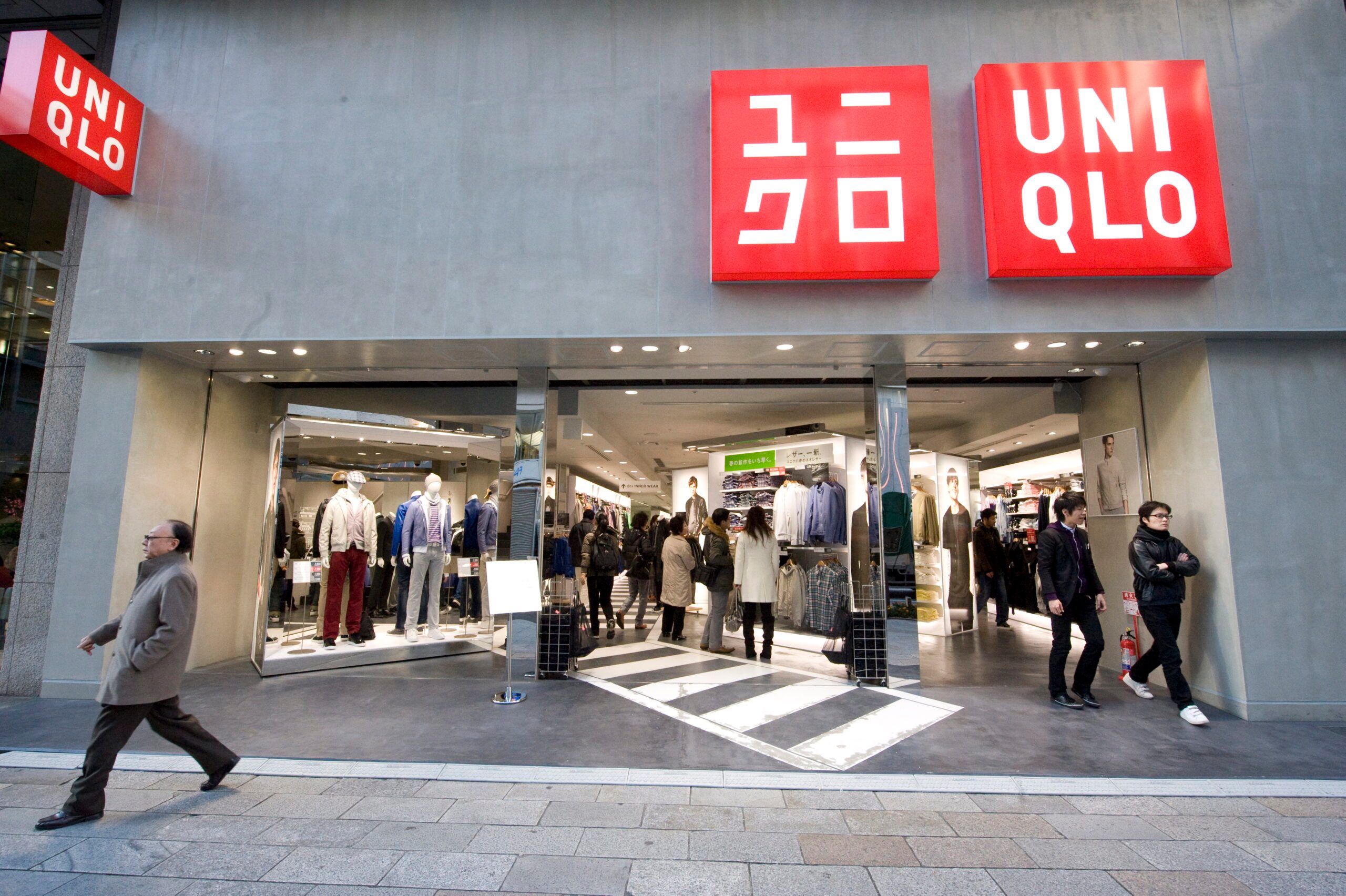
In a fashion industry driven by celebrity endorsements, luxury logos, seasonal trends and constantly changing aesthetics, one brand has built a global business around a surprisingly simple idea: everyday clothing should work effortlessly. Uniqlo has transformed basic T-shirts, lightweight jackets, comfortable trousers and practical knitwear into products that millions of consumers choose repeatedly. Its success is particularly interesting because the brand does not depend on the same visual spectacle that makes many fashion labels famous. Instead, it focuses on usefulness, consistency, comfort and accessible design. While other retailers compete to convince customers that they need something new, Uniqlo makes a compelling case for buying something they can wear again and again.
The popularity of Uniqlo basics is not simply a story about affordable clothing. It is a lesson in how a brand can turn an ordinary product category into a distinctive global identity. By combining functional innovation, thoughtful merchandising, relatively timeless design and a clear understanding of modern consumer behaviour, Uniqlo has made everyday essentials feel desirable. Its business model reveals an important truth about fashion retail: a product does not have to be visually complicated to become commercially powerful. Sometimes, the strongest strategy is to make something people already need noticeably better.
1. Uniqlo Sells a Lifestyle, Not Just Basic Clothes
The first reason Uniqlo stands out is its approach to product positioning. The brand describes its clothing philosophy through the concept of LifeWear, which presents clothing as something designed to improve everyday life. Rather than focusing exclusively on runway inspiration or seasonal fashion statements, Uniqlo builds its identity around the clothes people actually need for work, travel, study, leisure and daily routines.
This positioning gives basic garments a more meaningful role in the customer’s wardrobe. A plain T-shirt becomes a dependable everyday essential. A lightweight jacket becomes a practical layer for unpredictable weather. A pair of well-designed trousers becomes an option for several different occasions. The appeal is not that these products demand attention, but that they fit naturally into a person’s life. This is particularly relevant to consumers who want to look put-together without spending excessive time deciding what to wear.
The strategy also gives Uniqlo a recognisable brand identity without requiring every product to carry a prominent logo. Its visual language relies on simplicity, wearable colours, clean silhouettes and functional details. Customers can recognise the philosophy even when the clothing itself looks understated. By consistently delivering the same promise across categories, the brand makes basics feel like a deliberate lifestyle choice rather than a compromise between fashion and affordability.
2. The Power of Selling Clothes People Wear Repeatedly
Fashion brands often receive attention when they introduce something new, but repeat purchasing is what makes a retail business sustainable. Uniqlo’s everyday essentials naturally support this behaviour because consumers need clothing that can be worn frequently, combined with existing outfits and replaced when necessary.
Consider the role of a white T-shirt in a typical wardrobe. It can be worn beneath a blazer, paired with denim, styled with tailored trousers or layered under a sweater. A neutral cardigan can move between professional and casual settings, while a simple jacket can work across different seasons. These products offer versatility, which increases their practical value beyond a single outfit or occasion.
For consumers, versatility can reduce the cost per wear. A garment that costs more initially may offer better value if it remains useful across many outfits and occasions. Uniqlo’s appeal comes partly from making this calculation feel accessible: customers are not necessarily purchasing the most fashionable item in the store, but they may be buying something they expect to use regularly.
This creates an important commercial advantage. Trend-led products can experience a brief period of intense demand followed by declining interest. Wardrobe essentials, by contrast, serve recurring needs. When customers trust a brand to deliver familiar fits, colours and functions, they have a reason to return. Uniqlo’s basic clothing strategy therefore connects everyday usefulness with the long-term value of customer loyalty.
3. Fabric Technology Makes Ordinary Clothing More Valuable
One of Uniqlo’s strongest competitive advantages is its decision to invest in fabric technology rather than relying entirely on visual design. A basic T-shirt may appear simple on a hanger, but its comfort, breathability, weight, durability and performance can significantly influence whether a customer purchases it again. Uniqlo has built distinctive product ranges around these practical considerations, giving consumers tangible reasons to choose its essentials over similar-looking alternatives.
Consider HEATTECH, designed to provide warmth through specialised fabric technology, and AIRism, developed to help manage moisture and improve comfort. Ultra Light Down offers another example of the brand’s focus on lightweight insulation. These products demonstrate how a retailer can transform familiar clothing categories into solutions for specific everyday problems. Instead of simply advertising a long-sleeved top or a jacket, Uniqlo can communicate a clearer benefit: staying warm without excessive bulk, feeling comfortable in warm conditions or carrying a lightweight layer while travelling.
This approach is powerful because customers can understand the value without needing extensive knowledge of fashion. A person might forget the details of a seasonal collection, but they are more likely to remember a garment that solves a recurring problem. Functional innovation also helps Uniqlo differentiate its products from the many affordable basics available in the market. The lesson for fashion retailers is straightforward: when a product looks similar to its competitors, a meaningful improvement in performance can become a compelling reason to buy.
4. Affordable Quality Creates a Strong Value Proposition
Price plays an important role in Uniqlo’s worldwide appeal, but its strategy is more sophisticated than simply offering inexpensive clothes. The brand aims to balance quality, functionality and accessible pricing, allowing customers to feel that they are receiving useful value for their money. This position attracts shoppers who want practical everyday clothing without moving into expensive designer categories.
The distinction matters because consumers do not always choose the cheapest available product. They consider how a garment feels, how easily it fits into their wardrobe, how often they expect to wear it and whether the purchase feels worthwhile. A low-priced item that loses its shape quickly may offer less value than a moderately priced alternative that remains comfortable and useful. Uniqlo’s emphasis on materials, construction and functional design helps support its value proposition, although the actual durability of any garment depends on its fabric, construction and care.
Its integrated business model also matters. Parent company Fast Retailing manages major stages of the clothing business, including product planning, design, production coordination, distribution and retail. This structure gives the company greater control over how products are developed and brought to market.
For customers, the outcome is a relatively clear proposition: everyday clothes that prioritise function and quality at prices intended to remain accessible. For the business, this creates an opportunity to attract a broad audience rather than relying exclusively on shoppers seeking premium fashion status. Uniqlo does not need every customer to buy an extraordinary statement piece. It needs customers to believe that its ordinary products are worth choosing repeatedly.
5. Minimalist Design Makes Uniqlo Easy to Wear Across Cultures
Fashion is deeply influenced by personal taste, local culture, climate and social expectations. A highly distinctive trend may appeal to one audience while feeling irrelevant to another. Uniqlo’s restrained aesthetic helps reduce this barrier. Its neutral colour palettes, uncomplicated silhouettes and versatile essentials can be incorporated into a wide range of personal styles without requiring customers to adopt a completely new look.
A simple black T-shirt, for example, can complement streetwear, business-casual clothing or a minimalist wardrobe. The same principle applies to straight-leg trousers, lightweight knitwear and understated outerwear. Customers can combine these pieces with products they already own, including clothing from other brands. This flexibility is an important advantage because it makes the product useful beyond the context in which it is advertised.
Minimalism also changes the shopping experience. When a product has a clear purpose and an uncomplicated design, customers can evaluate its fit, material, colour and price without being distracted by excessive visual details. They can imagine how it will work with their existing clothes and whether it suits their lifestyle. The purchase decision becomes practical rather than dependent on whether a particular trend is currently popular.
However, minimalism alone does not explain Uniqlo’s success. Many retailers sell neutral basics. The difference lies in the combination of minimalist design with functional product development, consistent positioning and an extensive retail operation. Together, these elements create a recognisable identity that can travel across markets while leaving customers considerable freedom to express their individuality.
6. Uniqlo Understands the Psychology of Everyday Shopping
Consumers are often attracted to fashion by emotion, but many everyday purchases are also shaped by convenience and familiarity. People have busy schedules, limited budgets and different priorities competing for their attention. They do not necessarily want to research every T-shirt or reconsider their entire wardrobe whenever they need a new pair of trousers. Uniqlo benefits from making these decisions relatively straightforward.
Its consistent product philosophy reduces the mental effort associated with shopping. Customers who understand the brand’s approach know broadly what to expect: simple designs, functional details and clothing intended for regular use. Familiarity can make a retailer easier to return to, especially when shoppers have previously found products that suit their preferences.
There is also an emotional benefit to having a reliable wardrobe. Clothing that works across multiple settings can reduce the stress of deciding what to wear, particularly for people who prefer a practical or minimalist approach to dressing. This is one reason wardrobe essentials remain appealing even when more expressive fashion trends dominate social media. The desire to look stylish exists alongside the desire to feel comfortable and prepared for the day.
Uniqlo’s marketing reinforces this practical mindset by explaining the qualities of its core products. Rather than promoting every garment as an entirely new fashion statement, the company regularly highlights the specific functions of ranges such as HEATTECH and AIRism. Its official business model describes seasonal campaigns that focus on the benefits of these products.
The underlying lesson is that effective marketing does not always need to manufacture a new desire. Sometimes it succeeds by clearly explaining how an existing product meets a need that consumers already recognise.
7. A Consistent Brand Experience Builds Trust
A successful global fashion brand must deliver more than a compelling product. It also needs a shopping experience that helps customers understand the collection, find appropriate items and purchase them conveniently. Uniqlo’s retail stores, digital channels and product presentation support its broader positioning by keeping attention on clothing, functionality and everyday use.
The company has continued to invest in physical stores and e-commerce, recognising that customers increasingly move between online research and in-store shopping. According to Fast Retailing’s published business information, the company uses customer feedback to inform product development and improvement, while connecting its stores and digital channels to make shopping more convenient.
This relationship between customer feedback and product development is particularly important for a basics-focused retailer. Small improvements can have considerable value when they affect products purchased by large numbers of people. Better fit, more useful pockets, improved comfort or a more practical fabric can influence the experience of an everyday essential far more than a decorative change might.
Consistency also helps establish expectations. If shoppers know what the brand represents, each new collection does not have to introduce an entirely different identity. Uniqlo can introduce new materials, refine existing products and expand into additional categories while maintaining its central promise. That balance between familiarity and improvement helps the brand remain relevant without abandoning the principles that attracted customers in the first place.
8. Global Expansion Without Losing Its Identity
Uniqlo’s international growth demonstrates the commercial potential of a clothing proposition that addresses everyday needs across different markets. The company has expanded well beyond its Japanese origins, building a substantial international retail presence while continuing to promote LifeWear as its central philosophy.
The scale of that expansion is reflected in Fast Retailing’s financial results. For fiscal year 2026, which ended in August 2026, UNIQLO International generated approximately ¥2.41 trillion in revenue, compared with approximately ¥1.08 trillion for UNIQLO Japan. These figures show that the international business has become a major driver of the brand’s overall performance.
Yet a consistent philosophy does not mean every market has identical needs. Customers experience different climates, follow different sizing expectations and have different preferences concerning fit, colour and product categories. The company has acknowledged the importance of adapting product ranges and retail operations to local markets while maintaining its global brand identity.
This balance is essential for international retailers. A brand that changes everything for each market risks losing the identity that makes it recognisable. One that refuses to adapt may struggle to meet local expectations. Uniqlo’s broader strategy is to maintain a common foundation of practical everyday clothing while refining the products, stores and customer experience to serve different audiences.
Its approach offers a valuable lesson for emerging fashion labels: global appeal is not necessarily created by designing products that look spectacular everywhere. It can also come from identifying needs that many consumers share, then delivering a reliable solution with appropriate local adjustments.
9. What Other Fashion Brands Can Learn from Uniqlo
Uniqlo’s business model offers several lessons for retailers looking to build long-term customer relationships. The first is that a clear brand promise is more useful than trying to appeal to everyone through constantly changing trends. By concentrating on everyday clothing, functional materials and versatility, the brand gives consumers a straightforward reason to understand what it offers.
The second lesson is that product innovation does not always need to be visible. Fashion marketing frequently celebrates new colours, silhouettes and collaborations, but improvements in comfort, fit, breathability and practicality can also create meaningful differentiation. Brands that identify a genuine customer problem and solve it convincingly may build stronger loyalty than those that rely entirely on short-lived excitement.
Third, accessible pricing works best when it is supported by a convincing product experience. Consumers are increasingly able to compare alternatives online, which makes vague claims about quality less persuasive. Retailers must demonstrate why a product deserves its price through its materials, construction, design and usefulness.
Finally, consistency should not be confused with standing still. A basics-focused brand still needs to evolve with consumer expectations, technological developments, changing lifestyles and competition. The challenge is to improve products without losing the simplicity that defines the brand. Uniqlo’s continued investment in functional ranges, customer feedback and international retail illustrates how these priorities can work together.
Conclusion: The Business of Making Basics Better
Uniqlo’s worldwide popularity reveals something important about modern fashion retail: customers do not always want more complicated products. Often, they want everyday clothing that feels comfortable, works with their existing wardrobe, serves a clear purpose and offers dependable value. The brand has turned this ordinary demand into a distinctive business proposition by combining minimalist design with functional innovation, accessible pricing and a consistent global identity.
Its success is not the result of one bestselling T-shirt or a single marketing campaign. It comes from the way multiple decisions reinforce one another. Product development supports functionality, functionality strengthens the value proposition, minimalist design encourages versatility, and consistent brand positioning gives customers a reason to return. International expansion then allows this model to reach a much wider audience, while local adaptation helps the company respond to different consumer needs.
For fashion businesses, the bigger takeaway is that simplicity can be a powerful competitive advantage when it is backed by substance. A basic product becomes commercially meaningful when customers understand why it is useful and trust the brand to deliver that usefulness repeatedly. Uniqlo has made everyday essentials desirable not by making them unnecessarily complicated, but by treating them as products worth improving.
In a market where trends can change overnight, that may be the most valuable lesson of all: the strongest fashion brands do not always sell what people want to wear once. They build products people want to keep reaching for.