
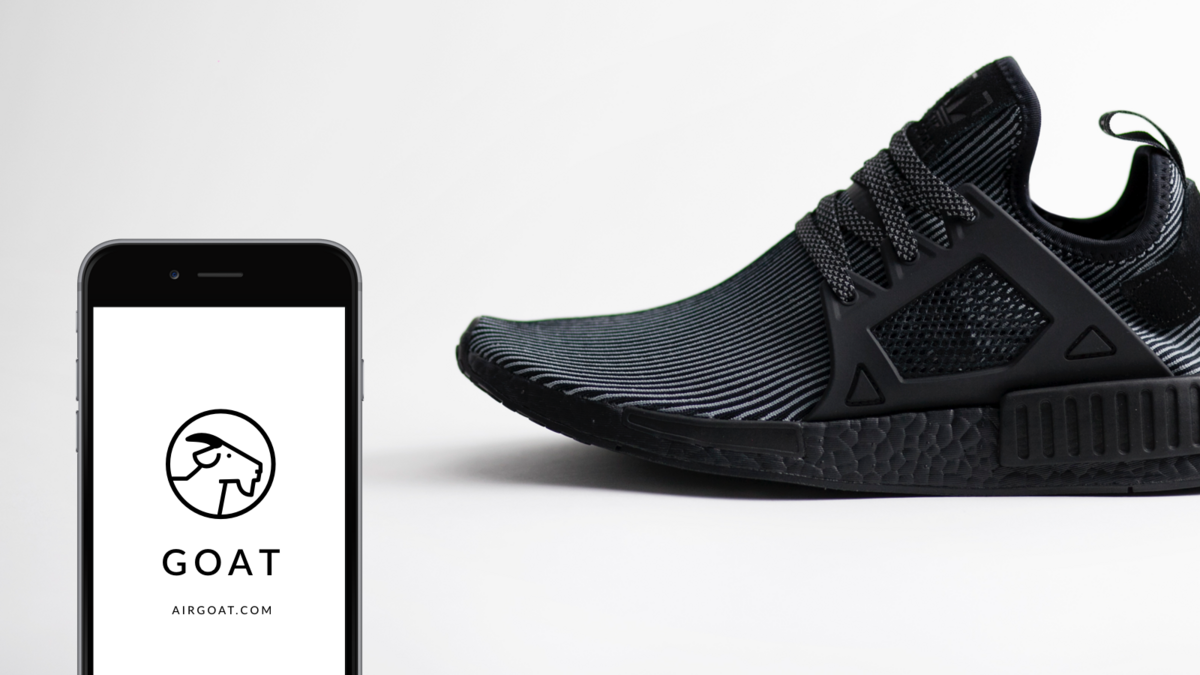
The Sneaker Industry Before GOAT
For sneaker enthusiasts, finding the perfect pair has never been just about buying shoes. It is about discovering a limited-edition release, owning a design that reflects personal style, and sometimes securing a pair that becomes almost impossible to find after its launch. For years, however, sneaker shopping was a frustrating experience for consumers who wanted more than the latest products available in traditional retail stores. Popular sneakers frequently sold out within minutes, resale prices climbed dramatically, and counterfeit products created uncertainty for buyers looking to purchase sought-after designs online. The sneaker market was growing beyond its traditional retail boundaries, but the shopping experience had not fully evolved to meet the expectations of a new generation of collectors.
The rise of digital marketplaces began to change this landscape, and GOAT emerged as one of the platforms that helped redefine how consumers discover, purchase, and collect sneakers. Founded in 2015, GOAT entered a market where demand for rare footwear was increasing, sneaker resale was becoming more mainstream, and consumers were looking for a more dependable way to access products unavailable through conventional retailers. Instead of treating sneakers as ordinary footwear, the platform recognised that many pairs carried cultural significance, collectible value, and emotional appeal. This understanding helped GOAT build a shopping experience around the entire sneaker culture rather than simply displaying products for sale.
How GOAT Turned Sneaker Resale into a Digital Shopping Experience
One of GOAT’s most important contributions was helping bring sneaker resale into a more structured online marketplace. Before platforms like GOAT became popular, buyers searching for sold-out sneakers often relied on individual resellers, online forums, social media sellers, or general marketplaces. These options could offer access to rare products, but they also introduced uncertainty around pricing, product condition, seller reliability, and authenticity. Finding a particular pair frequently required extensive searching, negotiating, and taking risks that made the purchasing process less convenient.
GOAT helped simplify this experience by connecting buyers and sellers through a dedicated marketplace built around sneakers and related fashion products. Shoppers could search for specific models, compare available listings, explore different sizes, and discover colourways that were no longer available through standard retail channels. The platform created a more organised environment for a market that had previously depended heavily on fragmented networks of collectors and independent resellers. This shift made sneaker resale easier to navigate for experienced enthusiasts while also introducing new consumers to the world of collecting.
The broader significance of this change lies in how GOAT helped transform resale from an informal alternative into a recognisable part of the sneaker-shopping journey. Consumers no longer needed to think of the secondary market only as a last resort when a product sold out. Instead, resale became another destination for discovering merchandise, comparing prices, and accessing products from previous seasons. For brands, retailers, and consumers, this development reflected a larger transformation in fashion commerce, where the life of a product increasingly extends beyond its original release date.
Authentication Became a Major Part of the Shopping Experience
Trust has always been one of the biggest challenges in sneaker resale. When a pair of highly desirable sneakers can command prices far above its original retail value, counterfeit products become a serious concern. Even experienced collectors may find it difficult to evaluate every detail of a product through photographs alone, particularly when counterfeit manufacturing techniques become increasingly sophisticated. For consumers spending hundreds or potentially thousands of dollars on a rare pair, uncertainty about authenticity can undermine the entire purchasing experience.
GOAT addressed this concern by making authentication a central part of its marketplace proposition. Its processes have included physical verification for applicable orders, supported by product inspection and other authentication measures depending on the product and transaction. This approach helped distinguish the platform from informal peer-to-peer selling environments where buyers might have limited protection or little assurance about what they would receive. Rather than expecting every shopper to become an expert authenticator, GOAT built trust mechanisms into the buying process itself.
Authentication also changed the way consumers perceived online sneaker resale. A marketplace could offer access to rare products, but access alone was not enough to persuade shoppers to make expensive purchases. Buyers needed confidence that the product represented what the listing promised. By making verification part of its service, GOAT helped address one of the category’s most important barriers to growth. Authentication is not an absolute guarantee against every possible issue, and buyers should still review the platform’s current policies, but the emphasis on product verification helped establish greater credibility for organised sneaker resale.
Limited-Edition Sneakers Became Easier to Discover
The excitement surrounding sneaker culture often comes from scarcity. Brands release exclusive collaborations, special colourways, anniversary editions, and limited-production designs that generate intense consumer interest. Yet scarcity creates a problem: the shoppers who want these products are not always able to purchase them during the original release. High demand, limited inventory, regional availability, and competition from automated purchasing tools can make popular launches difficult to access.
GOAT helped change the discovery process by allowing shoppers to search for sneakers that had already disappeared from retail shelves. Instead of waiting for a restock that might never happen, consumers could explore listings for older releases, discontinued models, and sought-after collaborations. A collector searching for a particular Nike collaboration or an Adidas design from a previous season could use a dedicated marketplace to look for available pairs, subject to stock, size, condition, and seller availability.
This shift created a different relationship between product launches and long-term consumer demand. In traditional retail, a sneaker’s commercial visibility often declines after its release window ends. On resale platforms, however, a product can remain discoverable long after the original launch. Certain designs may even attract renewed attention as celebrity styling, online communities, fashion trends, or nostalgia bring them back into public conversation. GOAT became part of this extended product lifecycle, helping consumers treat sneaker shopping as an ongoing search rather than a purchase limited to a single launch date.
The Rise of Sneaker Culture as a Shopping Destination
GOAT’s growth also reflects a wider cultural change in which sneakers moved beyond their original functional purpose. Athletic footwear has become a major part of streetwear, celebrity fashion, music culture, sports identity, and personal expression. A sneaker can represent an iconic athlete, a memorable collaboration, a particular era of design, or a connection to a community. For many buyers, choosing a pair is therefore an emotional decision as much as a practical one.
This cultural dimension influences the way consumers browse online. They may not arrive with a precise product name or model number in mind. Instead, they might be looking for a particular aesthetic, a rare colour combination, a design associated with an artist, or a silhouette that has recently become popular again. A specialised marketplace gives these shoppers a place to explore products according to their interests, discover alternatives, and revisit older releases that remain relevant to sneaker culture.
GOAT also operates within a broader ecosystem of sneaker media, digital communities, and fashion discovery. Its editorial and product-discovery experiences have helped connect shopping with the stories surrounding footwear, although the wider influence of sneaker culture comes from many sources, including brands, athletes, musicians, collectors, and social media creators. The important shift is that the shopping experience increasingly begins with cultural curiosity. Consumers discover a sneaker through a story, trend, or community and then search for a way to own it. Platforms that understand this relationship can offer more than a digital catalogue; they can become part of how consumers participate in a culture.
How GOAT Changed the Economics of Sneaker Shopping
One of the most significant effects of sneaker resale marketplaces is the increased visibility of secondary-market pricing. In traditional retail, shoppers generally see a manufacturer’s or retailer’s listed price. Once a product sells out, its availability and market value may become harder to assess. Resale platforms introduce another layer of information by allowing consumers to compare listings and observe how prices differ across models, sizes, conditions, and sellers.
GOAT helped make this comparison process more accessible within a dedicated sneaker marketplace. A shopper could evaluate whether a rare pair was worth purchasing at its current resale price or whether a different model offered better value. This does not mean every listing is inexpensive or that resale prices always reflect a product’s lasting worth. In fact, scarce releases can carry substantial premiums, and the final cost may be affected by shipping, taxes, fees, and other charges. Nevertheless, bringing listings together in one environment makes it easier for consumers to understand the market before making a decision.
The secondary market also reveals an important difference between retail price and perceived value. A sneaker’s original price may reflect production, distribution, and brand positioning, while its resale price can be influenced by scarcity, popularity, cultural relevance, and collector demand. Some products sell above retail, while others lose value after launch. These changing prices demonstrate that sneaker demand is not determined by product functionality alone. In certain segments, sneakers behave like collectible fashion goods, although resale values are volatile and should not be mistaken for guaranteed investments.
For brands, this creates both opportunities and challenges. Strong resale demand can signal cultural relevance and intense consumer interest, but it can also highlight frustration when genuine customers struggle to buy products at retail prices. GOAT’s marketplace helped make this tension more visible by bringing primary-market scarcity and secondary-market demand into the same consumer conversation.
Mobile Commerce Made Sneaker Discovery More Convenient
The growth of smartphone shopping changed consumer expectations across the retail industry, and sneakers were no exception. Shoppers increasingly expect to browse products, compare prices, check availability, and make purchases without visiting multiple stores or websites. GOAT’s mobile-first marketplace experience fits into this broader shift by making sneaker discovery accessible through a digital interface designed around product images, search, and individual listings.
Convenience is particularly important in a market where consumers may be searching for a precise size or an older release. A physical store may have limited inventory, while a general online retailer may no longer carry the desired model. A specialised marketplace can provide a broader discovery environment, although actual availability depends on sellers and stock. This allows shoppers to search across more options without being restricted to the inventory of a single local retailer.
Digital discovery also changes how people encounter products. Rather than browsing only what is displayed in a store, consumers can move between brands, models, colourways, and price points in a single session. Product images and searchable catalogues make it easier to compare designs, while saved preferences and other digital features, where available, can help users return to products that interest them. These capabilities reflect a larger transformation in e-commerce: shopping is becoming a continuous digital activity rather than an event that happens only when a consumer visits a retail location.
GOAT’s Expansion Beyond Sneakers
GOAT’s development has also reflected the growing overlap between sneakers, streetwear, designer fashion, and collectible consumer products. As the boundaries between sportswear and luxury fashion continue to blur, consumers increasingly combine athletic footwear with designer clothing, contemporary accessories, and premium streetwear. A sneaker marketplace that understands this relationship can expand its relevance beyond people who collect shoes exclusively.
GOAT’s acquisition of fashion resale platform Grailed in 2022 illustrated this broader ambition. Grailed had developed a community around designer clothing, streetwear, and hard-to-find fashion, creating a natural connection with shoppers interested in limited-edition sneakers and contemporary style. The deal demonstrated how resale businesses could build wider fashion ecosystems by connecting related consumer interests rather than remaining confined to a single product category.
This expansion matters because modern fashion consumers rarely organise their identities around one category alone. Someone searching for a rare sneaker might also be interested in vintage outerwear, designer pieces, or an archive collection from a sought-after fashion house. Bringing these interests closer together can encourage discovery across categories and create additional reasons for customers to return to a platform. For e-commerce businesses, it also demonstrates how a clearly defined niche can become the foundation for a broader retail experience.
What GOAT Means for the Future of E-Commerce
GOAT’s influence extends beyond the sneaker market because it illustrates several changes taking place across online retail. Consumers increasingly expect specialised marketplaces to solve category-specific problems, whether those problems involve authenticity, availability, product discovery, or access to discontinued merchandise. A general retailer may provide convenience, but a focused platform can build its value proposition around the details that matter most to a particular community.
Trust is another lesson. As resale grows across fashion, electronics, collectibles, and other categories, shoppers need clear information about product condition, seller standards, returns, and verification. Marketplaces that address these concerns effectively can make secondhand and resale shopping more approachable. However, trust depends on consistent execution, transparent policies, and effective customer support, not simply on a brand’s reputation.
The sneaker industry also demonstrates how digital platforms can extend the commercial life of products. Instead of disappearing from consumer attention after a limited release, certain products remain available through resale and may return to popularity years later. This creates new ways for consumers to access fashion while supporting a more circular model of product ownership. Resale does not automatically guarantee environmental benefits, since shipping, packaging, product care, and additional consumption also matter, but keeping products in use for longer can form part of a more resource-conscious approach to fashion.
The Final Step: From Buying Sneakers to Discovering Their Stories
GOAT changed sneaker shopping by helping make resale more organised, making authentication a central part of the buying proposition, and giving consumers a dedicated place to search for products beyond traditional retail inventory. Its significance lies not in eliminating every problem associated with limited releases or expensive sneakers, but in changing how consumers navigate those challenges. A sold-out product no longer necessarily marks the end of the shopping journey, and the secondary market has become an established part of the way many sneaker enthusiasts discover and purchase footwear.
Ultimately, GOAT represents a larger shift in modern commerce: consumers increasingly want access, confidence, convenience, and cultural relevance in the same shopping experience. They want to find products that reflect their identity, understand why those products matter, and feel more confident about the transaction. As fashion continues to merge with digital communities and collectible culture, marketplaces that connect products with stories and trust will remain important to the evolution of online retail. GOAT helped demonstrate that sneaker shopping is no longer just about finding a pair of shoes. For many consumers, it is about finding a piece of culture they want to own.