Healthcare is rapidly evolving as technology transforms how diseases are identified, monitored, and treated. One of the biggest breakthroughs in modern medicine is the rise of early detection technologies. These innovations are helping doctors diagnose diseases faster, often before symptoms become severe, improving treatment success rates and saving millions of lives worldwide.
From artificial intelligence-powered scans to wearable devices and advanced blood testing, early detection is becoming one of the most important trends in global healthcare. Governments, hospitals, startups, and technology companies are heavily investing in smarter diagnostic systems that can predict health problems earlier than ever before.
The future of healthcare is shifting from reactive treatment to preventive care. Instead of waiting for diseases to progress, healthcare systems are now focusing on detecting health risks at the earliest possible stage. This transformation is changing patient outcomes, reducing healthcare costs, and improving quality of life.
Why Early Detection Matters in Healthcare
Early disease detection significantly increases the chances of successful treatment. Conditions such as cancer, heart disease, diabetes, and neurological disorders become much easier to manage when diagnosed early.
In many cases, delayed diagnosis leads to:
- Higher treatment costs
- More aggressive medical procedures
- Increased hospitalization
- Lower survival rates
- Reduced quality of life
Early detection technologies help healthcare providers intervene before diseases become severe. This approach supports preventive healthcare, which is becoming a major global priority.
For example:
- Detecting cancer in Stage 1 often results in far better survival outcomes than detection in later stages.
- Identifying heart disease risks early can prevent heart attacks and strokes.
- Monitoring blood sugar patterns can help prevent complications related to Type 2 Diabetes.
As healthcare systems face rising costs and aging populations, preventive medicine is becoming essential.
Artificial Intelligence Revolutionizing Diagnostics
Artificial intelligence (AI) is one of the most powerful forces driving early detection in healthcare. AI systems can analyse massive amounts of medical data faster and more accurately than traditional methods.
AI in Medical Imaging
AI-powered imaging tools are improving the detection of diseases through:
- X-rays
- CT scans
- MRI scans
- Mammograms
AI algorithms can identify patterns that may be difficult for the human eye to detect. Hospitals worldwide are increasingly using AI to assist radiologists in spotting:
- Lung cancer
- Breast cancer
- Brain tumours
- Heart abnormalities
Technology companies such as Google and Microsoft are investing heavily in AI healthcare research to improve diagnostic accuracy.
Faster Diagnosis and Reduced Human Error
AI tools help reduce diagnostic delays by quickly processing medical images and patient data. In busy healthcare systems, faster diagnosis can be critical for life-saving treatment.
AI also helps:
- Reduce physician workload
- Improve diagnostic consistency
- Enhance healthcare accessibility
- Support rural medical centers
The integration of AI into healthcare is expected to grow rapidly over the next decade.
Wearable Technology and Continuous Health Monitoring
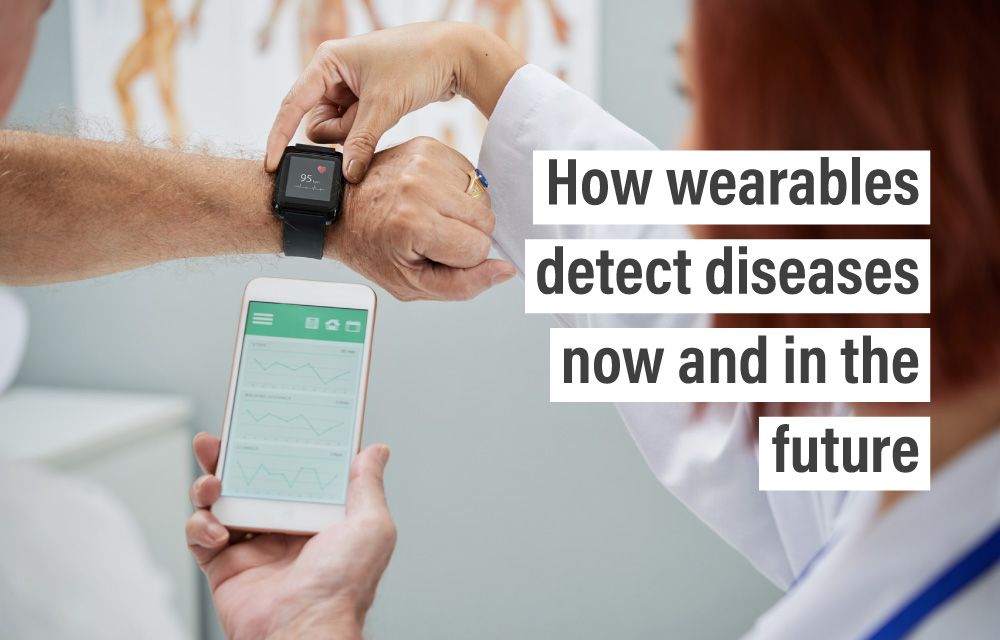
Wearable health devices are transforming how people monitor their health daily. Smartwatches and fitness trackers are no longer just lifestyle gadgets — they are becoming important healthcare tools.
Popular wearable brands include:
- Apple
- Fitbit
- Samsung
These devices can now track:
- Heart rate
- Sleep patterns
- Blood oxygen levels
- Physical activity
- Stress levels
- ECG readings
Early Warning Signs Through Wearables
Wearables help users identify potential health risks before serious symptoms appear. For example:
- Irregular heartbeat alerts may help detect atrial fibrillation.
- Sleep monitoring can reveal possible sleep disorders.
- Activity tracking can highlight declining health patterns.
Continuous monitoring gives both patients and doctors’ real-time insights into overallwellness.
Remote Healthcare and Telemedicine
Wearables are also supporting the rise of telemedicine and remote healthcare services. Doctors can monitor patient data remotely, improving healthcare access for people in rural or underserved areas.
This became especially important during the COVID-19 pandemic when remote patient monitoring expanded significantly worldwide.
Liquid Biopsy: A Breakthrough in Cancer Detection
One of the most exciting innovations in healthcare is liquid biopsy technology. Unlike traditional biopsies that require surgery or tissue removal, liquid biopsies use blood samples to detect disease markers.
How Liquid Biopsies Work
Liquid biopsies identify:
- Cancer DNA fragments
- Tumor cells
- Genetic mutations
This allows doctors to detect certain cancers much earlier and less invasively.
Advantages of Liquid Biopsy Technology
- Non-Invasive Testing
- Patients avoid painful surgical procedures.
- Faster Results
- Blood tests can provide quicker insights compared to traditional biopsies.
- Early Cancer Detection
- Some tests can detect cancer before major symptoms appear.
- Monitoring Treatment Progress
- Doctors can track how cancers respond to treatment over time.
Biotechnology companies worldwide are racing to develop highly accurate liquid biopsy systems for cancers such as:
- Lung cancer
- Breast cancer
- Colorectal cancer
- Prostate cancer
The technology has the potential to dramatically improve global cancer survival rates.
Genetic Testing and Personalized Healthcare
Genetic testing is becoming increasingly important in preventive medicine. Advances in DNA analysis now allow healthcare providers to identify inherited disease risks earlier than ever before.
Understanding Genetic Risk Factors
Genetic tests can help identify predispositions for:
- Certain cancers
- Heart disease
- Neurological disorders
- Rare inherited conditions
Companies like 23andMe helped popularize consumer genetic testing, although medical-grade genetic screening continues evolving rapidly in professional healthcare settings.
Personalized Treatment Approaches
Early genetic detection allows doctors to create personalized prevention plans based on individual risk profiles.
This may include:
- Lifestyle changes
- Preventive medications
- More frequent screenings
- Customized treatment plans
Personalized healthcare is expected to become one of the defining trends of modern medicine.
Smart Sensors and Biosensor Technologies
Smart biosensors are another important advancement changing healthcare diagnostics. These tiny devices can detect biological changes inside the body in real time.
Applications of Biosensors
Biosensors are now used for:
- Glucose monitoring
- Infection detection
- Heart monitoring
- Hormone tracking
Continuous glucose monitors have especially transformed care for people living with diabetes by allowing real-time blood sugar tracking without repeated finger-prick testing.
Future Potential of Smart Sensors
Researchers are developing advanced biosensors capable of detecting:
- Dehydration
- Stress hormones
- Early infection markers
- Chronic disease indicators
As sensor technology improves, healthcare could become increasingly predictive rather than reactive.
Artificial Intelligence and Predictive Analytics
Predictive analytics combines AI with large healthcare datasets to forecast health risks before symptoms occur.
Hospitals now use predictive systems to identify:
- Patients at risk of heart attacks
- Sepsis risk in hospitals
- Potential disease outbreaks
- High-risk patient groups
Benefits of Predictive Healthcare
Predictive systems help:
- Improve hospital efficiency
- Reduce emergency cases
- Prevent complications
- Lower healthcare costs
Healthcare organizations worldwide are investing in data-driven medicine to improve patient outcomes and operational performance.
Early Detection in Neurological Disorders
Neurological diseases such as Alzheimer’s and Parkinson’s are major global health challenges. Early detection technologies may help identify these conditions years before major symptoms develop.
Researchers are using:
- Brain imaging
- AI analysis
- Speech pattern monitoring
- Cognitive tracking apps
Early intervention could potentially slow disease progression and improve patient care.
As populations age globally, neurological disease detection will become increasingly important.
Challenges Facing Early Detection Technologies
Despite major advancements, several challenges remain.
Data Privacy Concerns
Healthcare data is highly sensitive. As digital healthcare expands, protecting patient information becomes critical.
High Technology Costs
Some advanced diagnostic systems remain expensive, limiting access in lower-income regions.
Accuracy and False Positives
Early detection tools must maintain high accuracy to avoid unnecessary anxiety and medical procedures.
Healthcare Accessibility
Many developing countries still face limited access to advanced medical technologies.
Governments and healthcare organizations must work toward making these innovations more affordable and accessible worldwide.
The Future of Preventive Healthcare
The healthcare industry is entering a new era where prevention and early diagnosis are becoming central priorities. Future healthcare systems may rely heavily on:
- AI-powered diagnostics
- Home-based testing
- Wearable monitoring
- Personalized medicine
- Predictive healthcare analytics
Consumers are also becoming more proactive about their health, embracing technologies that help them monitor wellness daily.
The combination of medical innovation and digital technology is expected to reshape global healthcare over the next decade.
Conclusion
Early detection technologies are fundamentally transforming healthcare worldwide. Innovations such as artificial intelligence, wearable devices, genetic testing, biosensors, and liquid biopsies are helping doctors identify diseases earlier and more accurately than ever before.
This shift toward preventive healthcare has the potential to save lives, reduce medical costs, and improve long-term health outcomes for millions of people globally.
As technology continues advancing, healthcare systems will increasingly focus on prediction, prevention, and personalized care rather than simply treating diseases after they become severe.
The future of medicine is no longer just about curing illness it is about detecting risks early, empowering patients, and creating a healthier world through smarter healthcare innovation.