
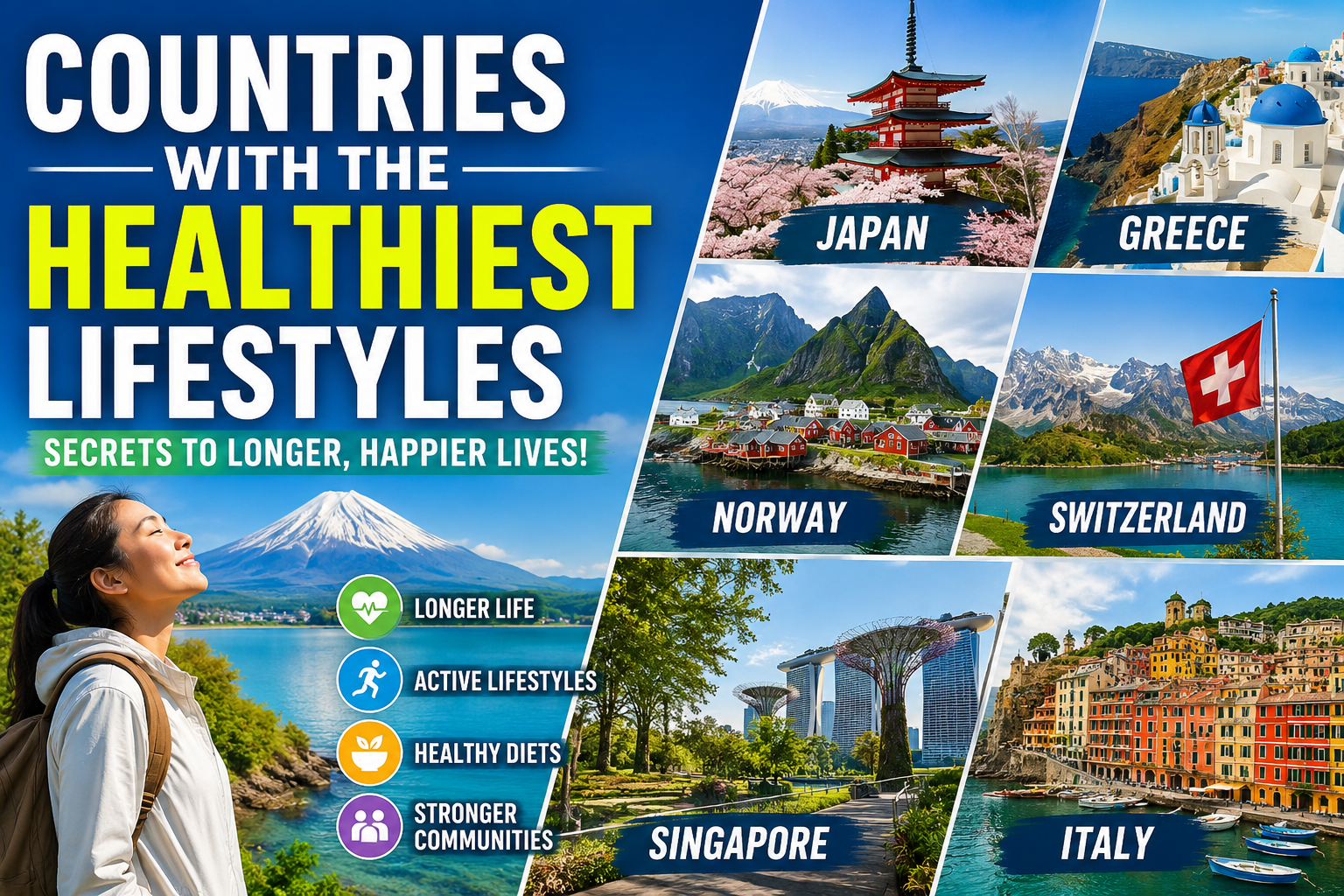
In today’s fast-paced world, maintaining a healthy lifestyle has become more important than ever. Rising stress levels, processed food consumption, lack of physical activity, and increasing mental health challenges have pushed many nations to rethink how people live, eat, work, and age. Around the globe, some countries consistently stand out for their healthier populations, longer life expectancy, better healthcare systems, and wellness-focused cultures.
From balanced diets and active lifestyles to strong social connections and preventive healthcare systems, these countries offer valuable lessons about living well. This article explores some of the healthiest countries in the world and the lifestyle habits that contribute to their success.
What Defines a Healthy Lifestyle?
A healthy lifestyle is not only about exercise or dieting. It includes several interconnected factors that influence physical and mental well-being. Countries known for healthier lifestyles usually share common characteristics such as:
- Nutritious eating habits
- Active daily routines
- Access to quality healthcare
- Lower stress levels
- Strong community relationships
- Better work-life balance
- Clean environments
- Preventive healthcare awareness
Organizations such as the World Health Organization and global health indexes often evaluate countries based on life expectancy, obesity rates, healthcare quality, mental wellness, and overall quality of life.
Japan: The Global Leader in Longevity
Japan is frequently ranked among the healthiest countries in the world. The country is famous for having one of the highest life expectancies globally, with many people living well into their 90s and beyond.
Why Japan Stands Out
Balanced Diet
Japanese cuisine focuses heavily on fresh ingredients, seafood, vegetables, rice, and fermented foods. Popular foods such as Matcha and miso soup are rich in antioxidants and nutrients.
Portion control is another important aspect of Japanese eating culture. Meals are generally smaller and balanced, helping reduce obesity rates.
Active Lifestyle
Walking and cycling are common in Japanese cities. Public transportation systems encourage people to stay physically active every day.
Strong Social Culture
Older adults often remain socially active and engaged in community activities, reducing loneliness and improving mental health.
Preventive Healthcare
Regular health checkups and early disease detection programs play a major role in maintaining public health.
Mediterranean Countries and Their Healthy Living Secrets
Countries surrounding the Mediterranean Sea, particularly Italy, Spain, and Greece, are widely known for their healthy lifestyles and diets.
The Mediterranean Diet
The Mediterranean diet is considered one of the healthiest diets in the world. It includes:
- Olive oil
- Fresh vegetables
- Fruits
- Whole grains
- Fish
- Nuts
- Yogurt
This diet is linked to lower risks of heart disease, obesity, and Type 2 Diabetes.
Importance of Family Meals
Meals are often social events in Mediterranean cultures. Eating slowly with family and friends’ supports digestion and emotional well-being.
Outdoor Living
People in these countries spend more time outdoors walking, socializing, and engaging in physical activities.
Lower Stress Levels
Mediterranean cultures typically value relaxation, leisure, and work-life balance, which helps reduce chronic stress.
Switzerland: Combining Nature and Healthcare
Switzerland is another country recognized for excellent health standards and high quality of life.
Clean Environment and Outdoor Activities
The country’s clean air, beautiful mountains, and outdoor culture encourage activities such as hiking, skiing, and cycling. Many Swiss residents maintain active lifestyles throughout their lives.
Advanced Healthcare System
Switzerland invests heavily in healthcare infrastructure and preventive care. Access to modern medical technology and regular screenings contributes to lower disease rates.
Mental Wellness and Balance
Swiss culture emphasizes personal well-being, financial stability, and mental health support, leading to lower stress levels compared to many other nations.
Nordic Countries: Wellness Through Balance
Nordic nations including Sweden, Norway, and Denmark are known for their healthy populations and strong social systems.
Active Living Culture
Cycling and walking are part of daily life in Nordic countries. Cities are designed to encourage physical activity and reduce pollution.
Strong Social Support Systems
Universal healthcare, quality education, and social security systems reduce financial stress and improve overall happiness.
Healthy Work-Life Balance
Nordic countries are famous for shorter working hours, parental leave policies, and emphasis on personal time. This balance positively impacts both mental and physical health.
Nature Connection
People in Nordic countries spend significant time in nature, even during colder months. Outdoor activities contribute to reduced anxiety and improved mental wellness.
Singapore: Asia’s Health and Wellness Success Story
Singapore has emerged as one of the healthiest nations in Asia.
Government-Led Health Initiatives
Singapore strongly promotes public health campaigns focused on fitness, healthy eating, and disease prevention.
Efficient Healthcare System
The country has one of the most efficient healthcare systems globally, with advanced hospitals and affordable healthcare access.
Urban Fitness Culture
Despite being highly urbanized, Singapore provides parks, walking trails, and fitness-friendly public spaces that encourage active living.
Healthy Food Awareness
Public awareness campaigns encourage reduced sugar intake and healthier meal choices, helping combat obesity and lifestyle diseases.
Australia: Healthy Living Through Outdoor Culture
Australia is well known for its active outdoor lifestyle and focus on fitness.
Sports and Physical Activity
Australians actively participate in sports such as swimming, surfing, cycling, and running. Beaches and parks support year-round outdoor exercise.
Focus on Mental Health
Australia has increased investment in mental health awareness and support systems in recent years.
Healthy Food Trends
Fresh produce, organic foods, and balanced eating habits are becoming increasingly popular across the country.
Iceland: Small Population, Big Health Achievements
Iceland consistently ranks high in happiness and health indexes.
Fresh Natural Diet
Icelandic diets traditionally include fish, dairy, and locally sourced foods rich in nutrients.
Community and Social Connection
Strong social relationships and community trust contribute significantly to emotional wellness.
Low Pollution Levels
Clean air and low environmental pollution improve respiratory and cardiovascular health.
Lessons Other Countries Can Learn
The healthiest countries may differ in culture and geography, but many of their habits are surprisingly similar. These nations prioritize long-term wellness instead of short-term convenience.
Key Global Health Lessons
- Eat Fresh and Balanced Foods
- Highly processed foods are often replaced with fresh ingredients, vegetables, lean proteins, and healthy fats.
- Stay Physically Active Daily
- Walking, cycling, and outdoor movement are part of daily routines rather than occasional activities.
- Focus on Mental Wellness
- Strong social support and lower stress levels contribute greatly to healthier populations.
- Prioritize Preventive Healthcare
- Regular screenings and health awareness programs help detect diseases early.
- Maintain Work-Life Balance
- Excessive work pressure can negatively impact both physical and mental health. Balanced lifestyles improve overall well-being.
The Rise of Global Wellness Culture
The global wellness industry continues to grow rapidly as more people become health conscious. Trends such as fitness tracking, organic foods, mindfulness practices, healthy aging, and preventive medicine are shaping the future of healthcare worldwide.
Companies like Apple and wearable brands such as Oura and WHOOP are making health monitoring more accessible than ever before.
At the same time, governments and healthcare organizations are investing more in public health awareness and wellness-focused infrastructure.
Conclusion
Healthy lifestyles are not built overnight. The world’s healthiest countries demonstrate that long-term wellness comes from consistent habits, balanced living, strong healthcare systems, healthy diets, and supportive communities.
Whether it is Japan’s longevity culture, the Mediterranean diet, Nordic work-life balance, or Singapore’s preventive healthcare system, each nation offers valuable insights into how societies can improve public health.
As lifestyle diseases continue rising globally, these countries serve as important examples of how better daily habits and smarter health policies can create healthier, happier populations for future generations.