
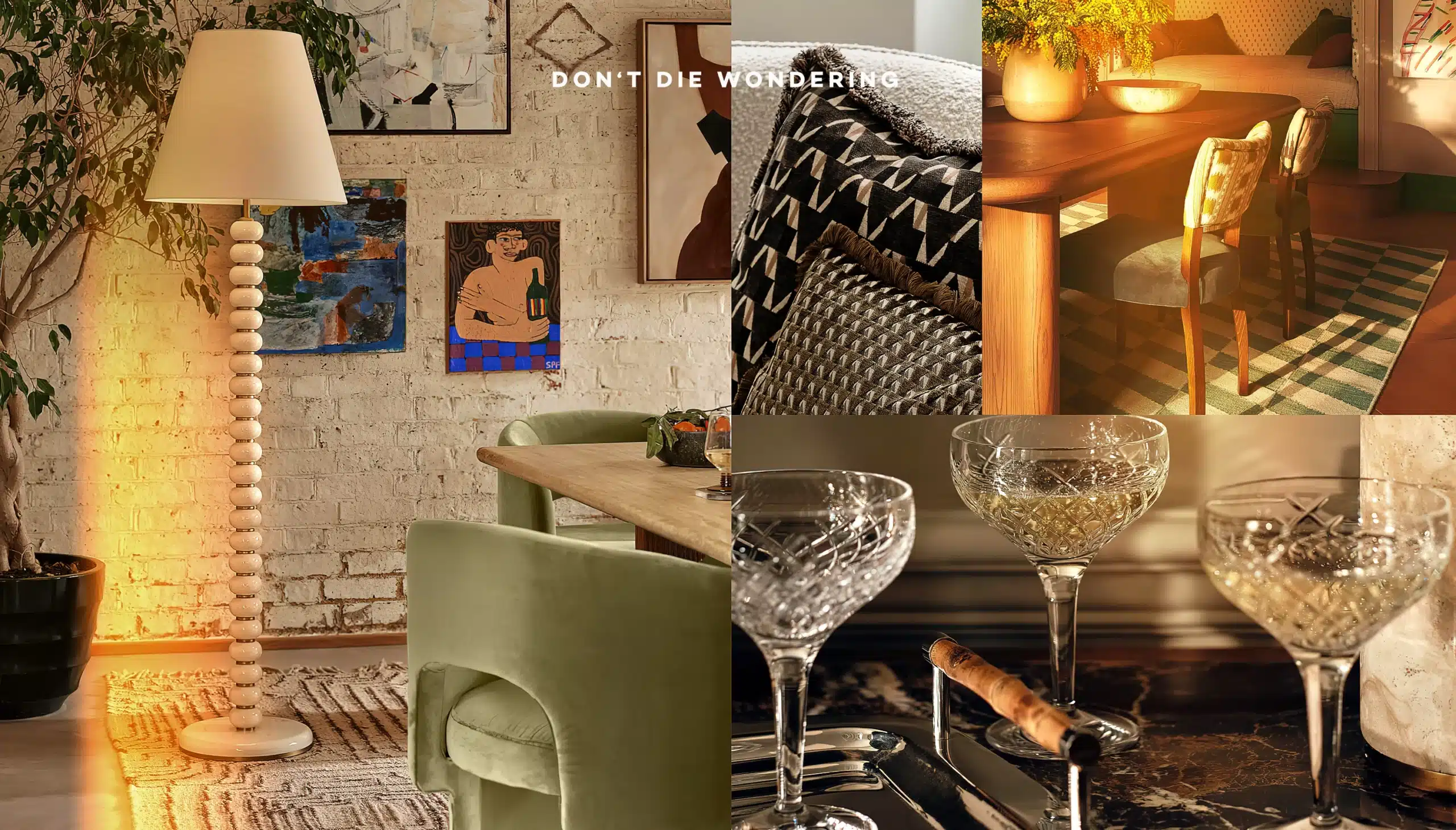
From sculptural Scandinavian furniture to contemporary American interiors, these five home décor brands demonstrate how thoughtful design can transform an ordinary room into a personal statement. HAY, West Elm, Design Within Reach, Ferm Living, and Zara Home each bring a distinct perspective to modern living, combining materials, colours, textures, and functional details to create spaces that feel considered rather than simply decorated.
Today, home décor is about more than choosing a beautiful sofa or finding the right colour for a bedroom wall. Consumers increasingly look for pieces that reflect their personality, complement their everyday routines, and create an atmosphere they genuinely enjoy living in. Minimalist furniture, natural materials, tactile fabrics, sculptural lighting, and carefully curated accessories have become essential elements of contemporary interiors. These five international brands approach that shift differently, offering inspiration for homeowners, design enthusiasts, and anyone interested in creating a more elevated living space.
1. HAY: Scandinavian Design with a Playful Edge
Founded in Denmark in 2002, HAY has developed a recognisable design language that brings together Scandinavian simplicity, contemporary art, architecture, and influences from fashion. Rather than treating furniture as something that should quietly disappear into the background, the brand explores how everyday objects can contribute character to a space. Its collections include chairs, tables, sofas, lighting, storage solutions, textiles, and small decorative accessories, with an emphasis on functional design that remains visually interesting.
What makes HAY particularly appealing is its approach to colour and form. A dining chair in a fresh shade, a sculptural table lamp, or a simple vase with an unexpected silhouette can change the mood of a room without requiring a complete redesign. Its products often balance clean lines with distinctive details, creating interiors that feel contemporary without becoming overly formal. This is especially relevant for people who appreciate minimalist interiors but want something more expressive than an entirely neutral palette.
In a modern living room, HAY’s design philosophy can translate into a practical yet visually striking arrangement: a streamlined sofa, colourful cushions, a compact coffee table, and carefully selected lighting. In a dining area, a combination of well-designed chairs and a simple table can make the space feel intentional while remaining suitable for everyday meals and social gatherings. The brand’s versatility also extends to home offices, where functional furniture can help create a workspace that feels connected to the rest of the home rather than like a separate corporate environment.
For anyone exploring contemporary Scandinavian home décor ideas, HAY offers an important lesson: minimalism does not have to mean a lack of personality. The right combination of colour, shape, and proportion can make even a relatively simple room feel distinctive. Its aesthetic is particularly suited to design-conscious consumers who enjoy modern furniture, creative interiors, and everyday objects that deliver both practical value and visual appeal.
2. West Elm: Warm Modern Interiors with a Personal Touch
West Elm has established a strong identity around modern furniture and home furnishings that combine contemporary styling with warmth and comfort. The brand’s design language frequently incorporates natural-looking wood, soft upholstery, textured fabrics, ceramic accessories, understated patterns, and lighting that creates a welcoming atmosphere. Instead of pursuing minimalism that feels stark or clinical, West Elm’s interiors often lean towards a more layered interpretation of modern living, where different materials and decorative details work together to create a room that feels complete.
This approach makes West Elm particularly relevant to people who want a sophisticated home without sacrificing the feeling of everyday comfort. A living room might feature a generously proportioned sofa, a wooden coffee table, a textured rug, and warm ambient lighting. In a bedroom, layered bedding, understated bedside lamps, and natural finishes can create a calm environment that feels considered without looking excessively styled. The emphasis is not simply on individual products but on how those products interact to establish a consistent mood throughout the room.
Another aspect of West Elm’s identity is its attention to makers, materials, and responsible sourcing initiatives. The company highlights original designs, collaborations with artisan communities, and programmes related to fair trade and lower-impact materials. These initiatives form part of its broader approach to creating home furnishings, although the specific materials, certifications, and sustainability attributes vary by product.
For consumers searching for modern home décor that balances style and livability, West Elm provides inspiration for building interiors gradually rather than purchasing everything at once. A well-chosen sofa can become the foundation, while cushions, curtains, artwork, decorative bowls, and table lamps introduce colour and texture over time. This layered approach is especially useful for people who want their homes to evolve with their tastes instead of being tied to one rigid interior trend.
West Elm’s overall appeal lies in the connection between contemporary design and a lived-in atmosphere. Its aesthetic works particularly well for homeowners who appreciate warm minimalism, modern organic interiors, and furniture that feels refined enough for entertaining but comfortable enough for an ordinary evening at home.
3. Design Within Reach: Iconic Furniture for Design-Led Living
Design Within Reach, commonly known as DWR, takes a more design-focused approach to furnishing a home, bringing together recognised modern furniture, contemporary pieces, lighting, and accessories from established designers and design-led brands. Its history is closely connected to the idea of making authentic modern design more accessible to customers who might otherwise struggle to discover or purchase it. The company was founded in 1998, and its collection includes furniture associated with influential movements in modern and mid-century design.
The difference becomes particularly noticeable when considering the role of furniture within a room. At DWR, a chair is not necessarily just a place to sit, and a table is not simply a surface for everyday objects. The proportions, materials, construction, and design history of a piece can all influence the character of an interior. An iconic lounge chair, for example, may become the focal point of a living room, while a carefully selected dining table can establish the visual structure around which the rest of the space is arranged.
This makes DWR especially relevant to consumers interested in mid-century modern interiors, architectural furniture, and investment pieces with enduring design appeal. Rather than filling a room with numerous decorative objects, a design-led approach encourages people to choose a few distinctive pieces and give them enough space to be appreciated. Clean architectural lines, balanced proportions, and thoughtful material combinations can create a room that feels sophisticated without relying on excessive ornamentation.
The brand also offers a useful perspective on purchasing furniture with longevity in mind. A well-designed piece should work with the way someone lives, accommodate changing interiors, and remain appealing beyond a short-lived trend. That does not mean every item will suit every home or every budget, but it does encourage consumers to consider construction, comfort, scale, and long-term usefulness alongside appearance. DWR also provides complimentary interior design services, helping customers explore furniture arrangements and material choices for their spaces.
For anyone seeking premium modern furniture or inspiration from the history of contemporary design, Design Within Reach demonstrates how a carefully selected object can carry both functional and aesthetic value. Its approach is particularly suited to people who see furniture as a central part of architecture and interior design rather than as a finishing touch added after a room is complete.
4. Ferm Living: Sculptural Shapes and Understated Luxury
Based in Copenhagen, Ferm Living has built its identity around a distinctive interpretation of Scandinavian design, one that combines soft shapes, rich textures, natural influences, and unexpected decorative details. Its collections span furniture, lighting, textiles, kitchenware, and accessories, allowing the brand to create a consistent visual language across different areas of the home. The result is an aesthetic that feels calm and sophisticated while leaving room for individuality.
What separates Ferm Living from more conventional minimalist décor is its interest in contrast. Smooth surfaces can sit alongside tactile fabrics, rounded furniture can soften architectural lines, and sculptural accessories can introduce visual interest into an otherwise restrained interior. A carefully chosen vase, an expressive pendant light, or a textured rug can become a defining feature of a room without overwhelming its overall composition. These details make the brand especially appealing to consumers who want their interiors to feel artistic, layered, and thoughtfully assembled.
Ferm Living’s aesthetic is particularly effective in spaces where materials play an important role in establishing atmosphere. Imagine a living room with muted walls, a softly upholstered lounge chair, a textured rug, and a statement lamp that introduces a contrasting silhouette. Rather than relying on bold colours or elaborate decoration, the room gains character through the relationship between its shapes, surfaces, and proportions. This approach can also work in bedrooms, dining areas, and entryways, where a few carefully selected pieces can make a space feel more personal.
The brand also draws on global influences and collaborations, bringing different skills and traditions into conversation with its Scandinavian design perspective. Its stated emphasis on responsible choices adds another dimension to its approach, encouraging consideration of materials and production alongside aesthetics. Specific environmental credentials should always be assessed at the individual product level rather than assumed across an entire collection.
For design enthusiasts exploring understated luxury home décor, Ferm Living offers inspiration that goes beyond following a particular trend. Its collections demonstrate how organic forms, tactile materials, and thoughtful lighting can create an interior that feels expressive without being visually crowded. The appeal is subtle but powerful: a room does not need more objects to feel luxurious; it needs the right objects working together.
5. Zara Home: Effortless Style for Everyday Living
Zara Home brings the sensibility of contemporary fashion into interior styling, offering home furnishings and decorative pieces that make it easier to refresh a space as tastes and trends evolve. The brand’s collections cover furniture, bedding, lighting, rugs, cushions, tableware, bathroom accessories, and home fragrances. This broad selection makes it possible to approach a room as a complete styling project rather than simply purchasing individual decorative objects.
One of Zara Home’s most recognisable strengths is its ability to make everyday spaces feel polished through relatively small details. Linen bedding, textured throws, understated ceramics, elegant glassware, wooden accessories, and carefully selected home fragrances can change the atmosphere of a room without requiring major structural changes. Its styling often explores neutral colours, natural-looking materials, subtle patterns, and a balance between contemporary and classic influences, creating interiors that feel refined but approachable.
The bedroom is an especially useful example of this philosophy. Instead of relying on expensive furniture or elaborate decoration, a thoughtfully layered bed can become the centrepiece of the space. Coordinated bedding, cushions in complementary textures, a soft throw, and warm bedside lighting create depth while keeping the room visually calm. Similarly, a dining table can be transformed with simple ceramic plates, textured linen napkins, clear glassware, and restrained decorative accents. These details help make ordinary routines feel more considered.
Zara Home is also relevant to people who enjoy changing their interiors seasonally. A living room can take on a warmer atmosphere through richer textiles and softer lighting, while lighter fabrics and restrained accessories can create a fresher feeling during warmer months. Rather than replacing major furniture pieces whenever trends change, homeowners can experiment with cushions, table linens, throws, decorative objects, and fragrances to introduce a different mood at a smaller scale.
For consumers looking for elegant home décor ideas that combine visual appeal with everyday practicality, Zara Home offers an accessible source of inspiration. Its aesthetic is particularly suited to those who appreciate fashion-led interiors, coordinated accessories, and a polished look that does not feel excessively formal. The key is to choose pieces that complement the existing space instead of purchasing every item from the same collection.
How These Five Home Décor Brands Differ
Although all five brands appeal to people interested in contemporary interiors, each offers a different starting point for designing a home. HAY is particularly suited to playful Scandinavian design, where colour and functional objects bring personality into everyday spaces. West Elm focuses on warm modern living, combining comfortable furniture with layered textures and inviting finishes. Design Within Reach is the natural choice for people drawn to iconic modern furniture, considered proportions, and design history. Ferm Living brings an artistic perspective through sculptural forms and tactile materials, while Zara Home makes it easy to refine a room with textiles, tableware, and smaller decorative details.
These distinctions are useful because choosing a home décor brand is not only about deciding which products look attractive. It is also about understanding the kind of atmosphere you want to create. Someone furnishing a contemporary apartment might combine HAY’s expressive accessories with West Elm’s warm furniture, while a design enthusiast could build a living room around a statement piece from Design Within Reach. Ferm Living can add textural depth, and Zara Home can provide finishing touches that make the overall arrangement feel cohesive.
There is no need to follow a single brand from room to room. In fact, combining different design perspectives can create a more individual result, provided that the colours, proportions, and materials work together. The most successful interiors often balance a few strong focal points with quieter supporting elements, allowing the furniture and accessories to complement one another rather than compete for attention.
The Art of Creating a Home That Feels Distinctive
Contemporary home décor is moving beyond the idea that a beautiful interior must follow one fixed aesthetic. Minimalism can coexist with colour, modern furniture can sit alongside vintage objects, and premium accessories can make a modest room feel more considered. What matters is the relationship between the pieces and the way they support everyday living. These five brands illustrate different ways of achieving that balance, from HAY’s creative functionalism to Zara Home’s refined everyday styling.
For anyone planning a living room makeover, bedroom refresh, or complete interior redesign, a useful starting point is to identify the atmosphere they want to create before shopping. Consider whether the space should feel warm and relaxed, architectural and minimal, artistic and expressive, or polished and timeless. Then focus on the elements that have the greatest impact, such as furniture scale, lighting, textiles, and the relationship between colours and materials.
Ultimately, the most compelling home is not necessarily the one filled with the most expensive furniture or the latest designer accessories. It is the one where each choice feels intentional and reflects the people who live there. HAY, West Elm, Design Within Reach, Ferm Living, and Zara Home offer five distinct perspectives on achieving that goal, proving that great interior design is as much about how a space feels as how it looks.
Editorial note: Product availability, collections, and regional offerings may vary. Explore each brand’s official website for current collections and product details.
Official brand websites
- HAY
- West Elm
- Design Within Reach
- Ferm Living
- Zara Home
- Affiliate Disclosure: This article may contain affiliate links. If you purchase a product or sign up for a service through one of these links, we may earn a commission at no additional cost to you. Our reviews and opinions are based on our editorial assessment and are not influenced solely by affiliate compensation.