
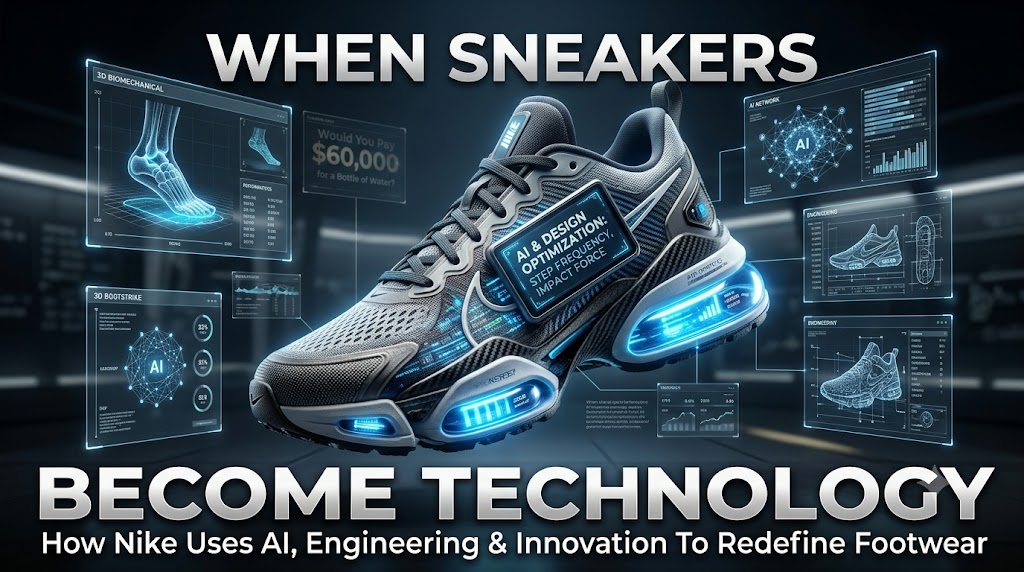
For decades, sneakers were viewed primarily as fashion products a combination of comfort, design, and personal style. Today, that perception has changed completely. Modern sneakers have evolved into sophisticated pieces of technology, combining advanced engineering, athlete performance data, artificial intelligence, and innovative materials.
A pair of Nike sneakers may look simple from the outside, but beneath the surface is a complex ecosystem of research, testing, and technological development. Every curve, material choice, and cushioning system is designed with a specific purpose: to improve movement, enhance performance, reduce injury risks, and create a better experience for athletes and everyday consumers.
Nike’s journey from a traditional sportswear company to a technology-driven innovation brand represents a larger transformation happening across the footwear industry. Sneakers are no longer just products people wear they are becoming platforms where science, engineering, and human performance come together.
The Hidden Engineering Inside Every Nike Sneaker
When consumers look at a Nike sneaker, they often notice the visible elements first: the colors, the silhouette, the iconic Swoosh logo, or the brand’s cultural influence. However, the real innovation happens behind the design.
Nike operates one of the world’s most advanced footwear research ecosystems, where scientists, engineers, designers, and athletes collaborate to solve performance challenges. Every sneaker goes through extensive testing to understand how the human body interacts with footwear.
Factors such as running patterns, foot pressure, movement efficiency, impact absorption, and energy return are studied before a product reaches the market.
This approach has transformed sneakers from simple protective footwear into highly engineered performance equipment.
A marathon runner wearing a high-performance Nike running shoe is not just using a lightweight product. They are benefiting from decades of biomechanics research, material science, and athlete feedback.
Nike Air: The Technology That Changed Sneaker Innovation
One of Nike’s most recognizable technologies is Nike Air, a cushioning system that completely changed how athletes experience footwear.
Introduced in the late 1970s, Nike Air used pressurized air units placed inside the midsole to provide lightweight cushioning and impact protection. The concept was simple but revolutionary: create a shoe that could absorb shock while maintaining flexibility and comfort.
Over the years, Nike developed multiple versions of Air technology, including Air Max, which introduced visible air cushioning and turned performance technology into a global fashion statement.
The success of Air Max demonstrates how technology can move beyond functionality and become part of popular culture. A feature originally designed for athletes became a symbol of streetwear, influencing fashion trends worldwide.
Today, Nike Air technology continues to evolve with improved materials and advanced construction methods, proving that even decades-old innovations can be continuously reinvented.
From Athlete Data to AI-Powered Sneaker Design
The future of footwear is increasingly driven by data.
Traditional sneaker development relied heavily on designers creating prototypes and athletes providing feedback. While human expertise remains important, modern technology has added another powerful layer: artificial intelligence and advanced simulation.
Nike uses digital tools and computational design methods to analyse thousands of performance variables. AI systems can help designers understand how different materials, shapes, and structures may affect movement before creating physical prototypes.
This allows companies to experiment faster, reduce development time, and create more personalized products.
For example, elite athletes may provide detailed performance information, including running mechanics and pressure patterns. Designers can use this data to develop footwear that supports specific movements and performance goals.
The rise of AI in footwear reflects a broader trend across industries. Companies such as Adidas, Under Armour, and Puma are also investing in digital innovation, smart manufacturing, and performance technologies.
The competition is no longer only about creating attractive sneakers. It is about creating smarter products.
The Rise of Carbon-Fiber Performance Shoes
One of the biggest breakthroughs in modern running footwear has been the introduction of carbon-fiber plate technology.
Nike’s Vaporfly series became famous for changing competitive running by combining lightweight foam with a carbon-fiber plate designed to improve running efficiency.
The technology works by creating a more responsive structure that helps athletes maintain speed while reducing energy loss during each step.
This innovation became especially significant in professional marathon running, where small improvements can determine the difference between winning and losing.
Nike’s carbon-plated running shoes also created a wider industry conversation about the role of technology in sports. As performance footwear became more advanced, organizations and athletes debated how innovation should balance human ability with equipment advantages.
This discussion shows how sneakers have become more than consumer products they have become part of sports science.
Smart Materials Are Creating the Next Generation of Footwear
Materials play a critical role in sneaker innovation.
Modern footwear companies are constantly searching for materials that are lighter, stronger, more durable, and environmentally responsible.
Nike has invested heavily in advanced materials, including lightweight mesh fabrics, responsive foams, recycled materials, and sustainable manufacturing processes.
One example is Nike’s Move to Zero initiative, which focuses on reducing waste and carbon emissions throughout product development.
Sustainability has become a major focus across the global footwear industry. Consumers today are increasingly interested not only in performance but also in how products are made.
Brands such as Adidas have explored recycled materials through products like their partnership-based sustainable footwear initiatives, while other companies are experimenting with bio-based materials and circular manufacturing systems.
The future sneaker will likely not only perform better but also have a smaller environmental impact.
How Technology Is Changing Consumer Expectations
Technology has changed what customers expect from sneakers.
A decade ago, consumers mainly considered factors such as design, comfort, and brand reputation. Today, they want products that offer personalization, performance benefits, sustainability, and innovation.
This shift is especially visible among younger consumers who see sneakers as a combination of fashion, identity, and technology.
The popularity of limited-edition sneakers, performance footwear, and digitally connected products shows that consumers are looking for experiences rather than just physical products.
Nike has successfully built a powerful ecosystem around this idea. Through digital platforms, membership programs, athlete communities, and personalized shopping experiences, the company connects technology with consumer engagement.
The sneaker is no longer just something people buy. It has become part of a larger lifestyle ecosystem.
The Future: Sneakers That Adapt to You
The next generation of sneakers may become even more intelligent.
Future footwear could include advanced sensors, real-time performance tracking, adaptive cushioning systems, and personalized designs created through artificial intelligence.
Imagine sneakers that automatically adjust their support based on your running style, analyse your movement patterns, and provide recommendations to improve performance.
While some of these technologies are still developing, the direction is clear: footwear is moving toward greater personalization and intelligence.
Companies across industries are exploring similar ideas. From wearable technology companies to sports brands, the goal is to create products that understand and respond to human needs.
The future sneaker may not simply fit your foot it may understand how you move.
Nike’s Bigger Lesson: Innovation Creates Brand Power
Nike’s success is not only because of its products. It is because the company has consistently connected technology with storytelling.
A sneaker becomes more valuable when consumers understand the innovation behind it.
Nike does not simply sell shoes; it sells performance, ambition, and the idea of achieving more. Technology strengthens that emotional connection by giving customers a reason to believe in the product.
This strategy has helped Nike remain one of the most influential brands in the world.
The lesson extends beyond footwear. In almost every industry, companies are using technology to transform ordinary products into smarter, more meaningful experiences.
Cars are becoming computers on wheels. Watches have become health devices. Homes are becoming connected ecosystems. Sneakers are becoming performance technology.
The Future of Footwear Is Already Here
The next time you see a pair of Nike sneakers, remember that the product represents much more than design and branding.
Inside every pair is a combination of engineering research, athlete insights, advanced materials, digital innovation, and years of experimentation.
The sneaker industry is entering a new era where fashion meets technology, and performance meets intelligence.
Nike’s journey shows that even everyday products can become extraordinary when innovation becomes the foundation of design.
The future of footwear is not just about what we wear on our feet.
It is about how technology helps us move further, faster, and smarter.