For decades, luxury mobility has been defined by polished sports cars, chauffeur-driven sedans, grand touring motorcycles and, more recently, high-performance electric vehicles. But the meaning of urban luxury is quietly changing. In the world’s most sophisticated cities, where congestion, sustainability and personal convenience increasingly influence purchasing decisions, luxury is no longer simply about arriving in something expensive. It is about moving through the city intelligently, effortlessly and with a sense of individuality. This is where premium electric bicycles are beginning to occupy an intriguing new space.
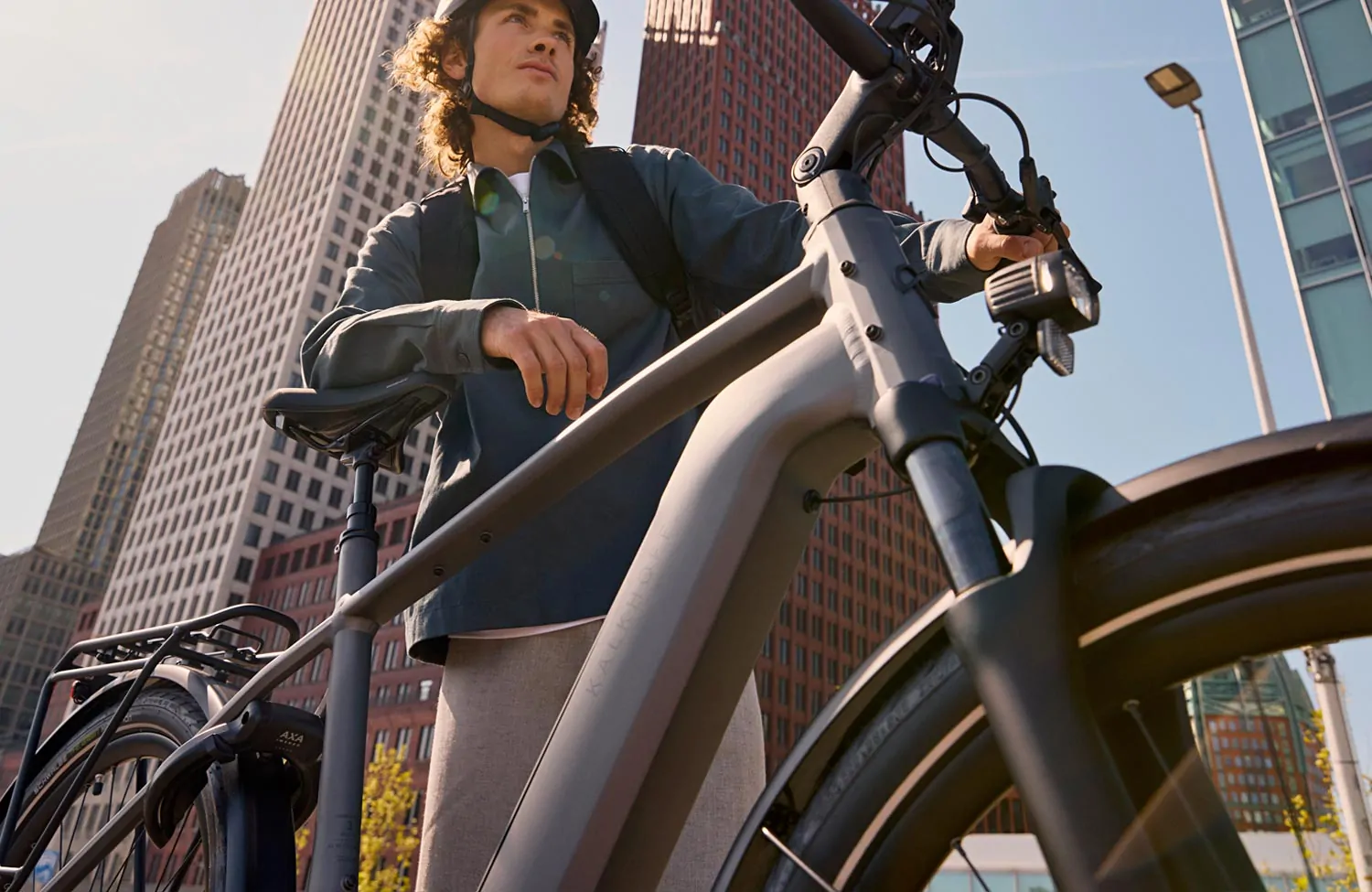
Today’s high-end e-bikes are a long way from the utilitarian bicycles that once represented basic urban transportation. They combine sophisticated electric assistance, refined industrial design, advanced materials, integrated technology and carefully considered ergonomics into products that can feel as much like personal design objects as modes of transport. For affluent urban consumers, entrepreneurs, designers and technology enthusiasts, a premium e-bike can offer something traditional luxury vehicles often cannot: the freedom to move through a city without being trapped inside it.
The rise of the luxury electric bicycle reflects a larger cultural shift toward experiences that are more personal, sustainable and technologically intelligent. From Amsterdam and Copenhagen to London, Los Angeles, Paris and New York, electric bicycles are becoming part of a new urban lifestyle. Yet within this expanding category, a handful of brands are pushing the boundaries of what an e-bike can represent. These five models demonstrate how performance, craftsmanship and technology are redefining the idea of luxury on two wheels.
1. VanMoof S5: Minimalism Meets Intelligent Urban Mobility
Few electric bicycle brands have understood the relationship between technology and contemporary design quite like VanMoof. The company’s S5 became an emblem of minimalist urban mobility, designed around the idea that an electric bicycle should feel intuitive rather than mechanically complicated. Its understated frame, concealed components and clean silhouette give it a distinctly modern appearance, allowing it to blend naturally into the visual language of premium city life.
What makes the S5 particularly interesting is the way its technology is integrated into the riding experience rather than presented as a collection of complicated features. Electronic shifting, integrated lighting, anti-theft technology and smartphone connectivity contribute to a feeling that the bicycle is functioning as a cohesive piece of technology. Instead of adding technology for the sake of creating a long specification sheet, the concept revolves around making everyday urban transportation feel seamless.
The VanMoof approach also illustrates an important evolution in luxury design. Traditional luxury products often make their craftsmanship immediately visible through ornamentation, precious materials or recognizable logos. Modern technology luxury frequently works differently. It hides complexity beneath simplicity. The result is an e-bike that looks restrained while quietly incorporating sophisticated engineering underneath its clean exterior.
For city residents who view transportation as part of their lifestyle rather than simply a way to get from one address to another, this philosophy is compelling. The S5 represents a form of understated urban luxury where design intelligence becomes more important than visual excess.
2. Cowboy Cruiser: The E-Bike as a Digital Lifestyle Product
Belgian e-bike company Cowboy approaches premium urban mobility from a distinctly digital perspective. Rather than treating the electric bicycle simply as a motorized version of a conventional bike, Cowboy has positioned its products as connected mobility devices designed for a generation accustomed to smartphones, digital services and intelligent personal technology.
The Cowboy Cruiser expands on that philosophy with a more relaxed riding position and an emphasis on comfort without abandoning the brand’s recognizable minimalist aesthetic. Its clean frame and carefully integrated components create an appearance that feels closer to contemporary consumer technology than conventional cycling equipment.
The real appeal, however, lies in the relationship between the physical bicycle and its digital ecosystem. Smartphone integration, connected features, ride information and navigation create a more personalized experience. The bicycle becomes something that can understand aspects of the rider’s journey and provide useful information throughout the ride.
This is particularly significant because the future of premium mobility is increasingly about software as much as hardware. Luxury consumers have become accustomed to vehicles, watches, smartphones and home systems that continuously evolve through digital experiences. Cowboy brings that expectation into the bicycle category.
The result is a premium electric bike designed for modern city dwellers who want their transportation to feel connected to the rest of their digital lifestyle. It is not trying to imitate a traditional luxury bicycle. Instead, it is redefining what a technologically sophisticated bicycle can look and feel like.
3. Riese & Müller Delite: Where Premium Engineering Meets Long-Distance Comfort
If minimalist European e-bikes represent one side of the luxury spectrum, Riese & Müller represents another: engineering depth, versatility and exceptional riding comfort. The German manufacturer has built a reputation around sophisticated electric bicycles designed for people who expect their mobility products to perform across a wide range of environments.
The Delite is particularly notable because it moves beyond the idea of the e-bike as a short-distance city commuter. With full suspension, powerful electric assistance and configurations designed for longer journeys, it can function as a premium everyday vehicle rather than simply a recreational bicycle.
This distinction matters. True luxury has traditionally been associated with versatility — the ability to travel comfortably, reliably and confidently regardless of the situation. In that sense, a high-specification e-bike such as the Delite reflects a similar philosophy. It offers the possibility of replacing multiple types of transportation for certain users, from daily commuting to weekend exploration.
Its design is less about making a visual statement and more about creating an exceptionally capable machine. The engineering is part of the luxury. Sophisticated suspension, drivetrain technology, battery capacity and practical accessories all contribute to an experience designed around comfort and confidence.
For consumers interested in sustainable transportation without compromising on capability, this is an important development. Premium electric bicycles are no longer limited to fashionable city commuting. They are increasingly becoming serious transportation tools capable of handling longer distances and more demanding journeys.
4. Specialized Turbo Vado: Performance Engineering for the Everyday City
Specialized brings a different perspective to premium e-bike design, drawing upon decades of experience in high-performance cycling. The Turbo Vado family demonstrates what happens when performance-oriented bicycle engineering is applied to everyday urban transportation.
Rather than making an e-bike that simply prioritizes appearance, Specialized focuses heavily on the quality of the riding experience. Responsive handling, powerful assistance, integrated technology and carefully developed geometry make the Turbo Vado feel designed for people who genuinely enjoy riding rather than simply using an e-bike as a convenient substitute for a car.
The result is a machine that can comfortably occupy several roles. It can serve as a daily commuter, a practical urban vehicle, a fitness companion and a weekend exploration platform. That versatility makes it particularly relevant as cities reconsider how personal transportation should function.
The Turbo Vado also represents an important evolution in the relationship between cycling and luxury. The modern premium consumer does not necessarily want a product that looks extravagant. Increasingly, luxury means buying something that has been engineered exceptionally well and provides measurable advantages every time it is used.
That philosophy makes the Turbo Vado particularly attractive to consumers who associate luxury with performance and functionality. It is an electric bicycle for people who want technology to enhance the physical experience of cycling rather than replace it.
5. Stromer ST7: The High-Performance Electric Bicycle for the Executive Commute
At the upper end of the premium e-bike market, Stromer occupies a particularly interesting position. Its ST7 is designed for riders who want serious performance, sophisticated technology and a premium commuting experience in a single package.
The ST7 demonstrates how far electric bicycle engineering can move beyond the conventional perception of a bicycle. High-speed electric assistance, integrated connectivity, substantial battery capacity and advanced drivetrain technology give it the character of a high-performance personal mobility machine.
Its appeal is particularly easy to understand in cities where commuting by car can involve significant amounts of time lost to congestion. For professionals, executives and entrepreneurs, an electric bicycle capable of covering substantial distances efficiently can transform the daily journey. Instead of sitting in traffic, the rider remains active and connected to the environment around them.
The ST7 therefore represents a particularly modern interpretation of luxury. The luxury is not simply the machine itself; it is the time and freedom that the machine can provide. Avoiding congestion, reducing dependence on conventional vehicles and arriving at a destination without the stress of a traffic-heavy commute can be more valuable than traditional displays of wealth.
In this sense, Stromer’s approach reflects a broader movement in luxury consumption: consumers increasingly value convenience, performance and control over their time. The premium e-bike becomes an instrument for reclaiming all three.
The New Definition of Urban Luxury
The rise of premium electric bicycles is part of a much bigger transformation in the way people think about mobility. Cities are becoming denser, environmental concerns are influencing purchasing decisions and younger luxury consumers are increasingly interested in products that combine design with purpose. These factors are creating an environment in which electric bicycles can move from practical transportation products into genuine lifestyle statements.
What separates a luxury e-bike from an ordinary electric bicycle is not simply price. The difference lies in the complete experience: the quality of materials, precision of engineering, battery and motor integration, software, riding comfort, after-sales ecosystem and the emotional connection created by the design. Just as luxury automobiles compete through craftsmanship, performance and brand identity, premium e-bike manufacturers are building their own interpretation of those same values.
There is also a fascinating cultural element to this shift. Riding through a city on an elegant electric bicycle can communicate a very different idea of status than arriving in a large vehicle. It suggests confidence without excess, technological awareness without unnecessary complexity and a preference for experiences over conventional symbols.
That does not mean the automobile is disappearing from luxury culture. Instead, urban mobility is becoming more fragmented. A person may own a premium car for long-distance travel, an electric bicycle for commuting, a motorcycle for leisure and various connected devices for navigating between them. The future of luxury transportation may therefore be less about one extraordinary vehicle and more about an intelligent ecosystem of mobility.
Why E-Bikes Could Become the Next Luxury Lifestyle Essential
The most interesting aspect of premium e-bikes is that they sit at the intersection of several powerful consumer trends: electrification, wellness, sustainability, technology, design and urban convenience. Few products combine all of these categories so naturally.
For luxury brands, this creates a compelling opportunity. The electric bicycle can become part transportation, part fitness product, part fashion accessory and part technology platform. As battery technology improves, motors become lighter and software becomes more sophisticated, the distinction between bicycle and smart mobility device will continue to disappear.
The next generation of premium e-bikes could therefore become even more personalized, incorporating intelligent navigation, advanced theft protection, biometric data, adaptive assistance and deeper integration with smart-city infrastructure. Design will likely become increasingly refined as manufacturers compete for consumers who expect their everyday objects to reflect their personal identity.
Ultimately, the luxury e-bike is not about making cycling unnecessarily extravagant. It is about recognizing that mobility itself is changing. The most desirable transportation products of the future may not be the largest, fastest or most expensive. They may be the ones that give people something increasingly precious in modern cities: freedom.
From minimalist connected bicycles to high-performance electric commuters, these five e-bikes demonstrate that urban luxury is entering a new chapter. The road ahead belongs not only to cars and motorcycles, but also to beautifully engineered machines that make cities feel smaller, journeys feel lighter and everyday movement feel remarkably more personal.