Introduction: When Shopping Becomes an Experience
In the world of luxury fashion, selling a product has never been just about its price, material, or designer label. It is about the feeling that comes with owning it. A beautifully tailored blazer, an iconic handbag, or a pair of designer heels can represent far more than a wardrobe addition; they can communicate personal style, confidence, aspiration, and identity. This is precisely where Net-a-Porter has established its position in the luxury e-commerce landscape. Rather than treating online shopping as a simple process of searching, comparing, and purchasing, the platform transforms digital browsing into an experience built around discovery, inspiration, and desire.
At a time when consumers can purchase luxury fashion from countless websites, Net-a-Porter demonstrates how a premium digital retailer can differentiate itself through more than an impressive product catalogue. Its approach brings together editorial storytelling, sophisticated visual merchandising, carefully curated designer collections, personalised recommendations, and the convenience of online retail. The result is a shopping environment that feels closer to exploring a luxury fashion magazine than navigating a conventional e-commerce store. For brands seeking to understand luxury consumer behaviour, Net-a-Porter offers an intriguing lesson: sometimes, the most effective way to sell a product is to make people imagine the life, identity, or experience associated with owning it.
The Psychology of Luxury: Selling More Than a Product
Luxury purchasing is often driven by emotions as much as practical needs. Consumers may appreciate the craftsmanship of a designer bag or the quality of a cashmere sweater, but their interest can also be influenced by the reputation of the designer, the exclusivity of the collection, and the way the item fits into their personal aspirations. Net-a-Porter builds its shopping experience around this broader understanding of luxury consumption, presenting products in a context that encourages customers to consider how a particular piece might complement their lifestyle.
Imagine a shopper visiting the website without a specific purchase in mind. They may initially be looking for inspiration, exploring new-season collections, or simply checking what their favourite designers have released. A striking image, a carefully styled outfit, or an interesting editorial feature can capture their attention and lead them towards a product they had not intended to buy. The journey begins with curiosity, develops through visual attraction, and may eventually become a purchase decision. This is the subtle power of aspirational retail: instead of focusing exclusively on what a customer needs, it introduces possibilities the customer may want to explore.
The distinction matters because luxury products frequently compete on emotional and symbolic value rather than functionality alone. A premium retailer must communicate why a particular item deserves attention when numerous alternatives are available. Net-a-Porter’s environment helps create that context by placing designer products within a broader fashion narrative. The clothing becomes part of an aesthetic, the accessory becomes a styling statement, and the purchase becomes an opportunity for self-expression.
Editorial Commerce: Where Fashion Journalism Meets Online Shopping
One of Net-a-Porter’s most distinctive strengths is its editorial approach to e-commerce. Traditional online stores often prioritise categories, product grids, filters, and transactional information. These features remain essential, but they do not always inspire customers who are browsing without a clear objective. Editorial commerce offers another route by combining the informative qualities of fashion publishing with the convenience of shopping directly from a digital platform.
Through fashion stories, styling inspiration, designer features, and curated seasonal edits, Net-a-Porter creates reasons for customers to explore beyond their original search. Instead of encountering products as isolated items, shoppers can discover them within a story about current trends, wardrobe essentials, occasion dressing, or emerging style preferences. This approach helps bridge the gap between inspiration and action because the products that attract attention can often be explored or purchased within the same shopping journey.
Consider the difference between seeing a dress on a standard product page and discovering it as part of an expertly styled eveningwear edit. The first presentation answers practical questions about the garment. The second also helps the customer imagine where to wear it, how to style it, and what kind of statement it might make. That additional context can make the product more memorable and meaningful. For a luxury e-commerce brand, editorial storytelling is therefore not simply decorative content; it can be an important part of product discovery and purchase consideration.
This model also reflects a wider shift in digital marketing. Consumers increasingly encounter products through social media, creator content, digital magazines, and visual discovery platforms before visiting a retailer. By bringing elements of that inspirational journey into its own shopping environment, Net-a-Porter can encourage customers to move more naturally from reading and browsing to evaluating and purchasing. The experience becomes less about interrupting a customer with a sales message and more about presenting shopping as a continuation of their interest in fashion.
Visual Merchandising: Creating Desire Before the First Click
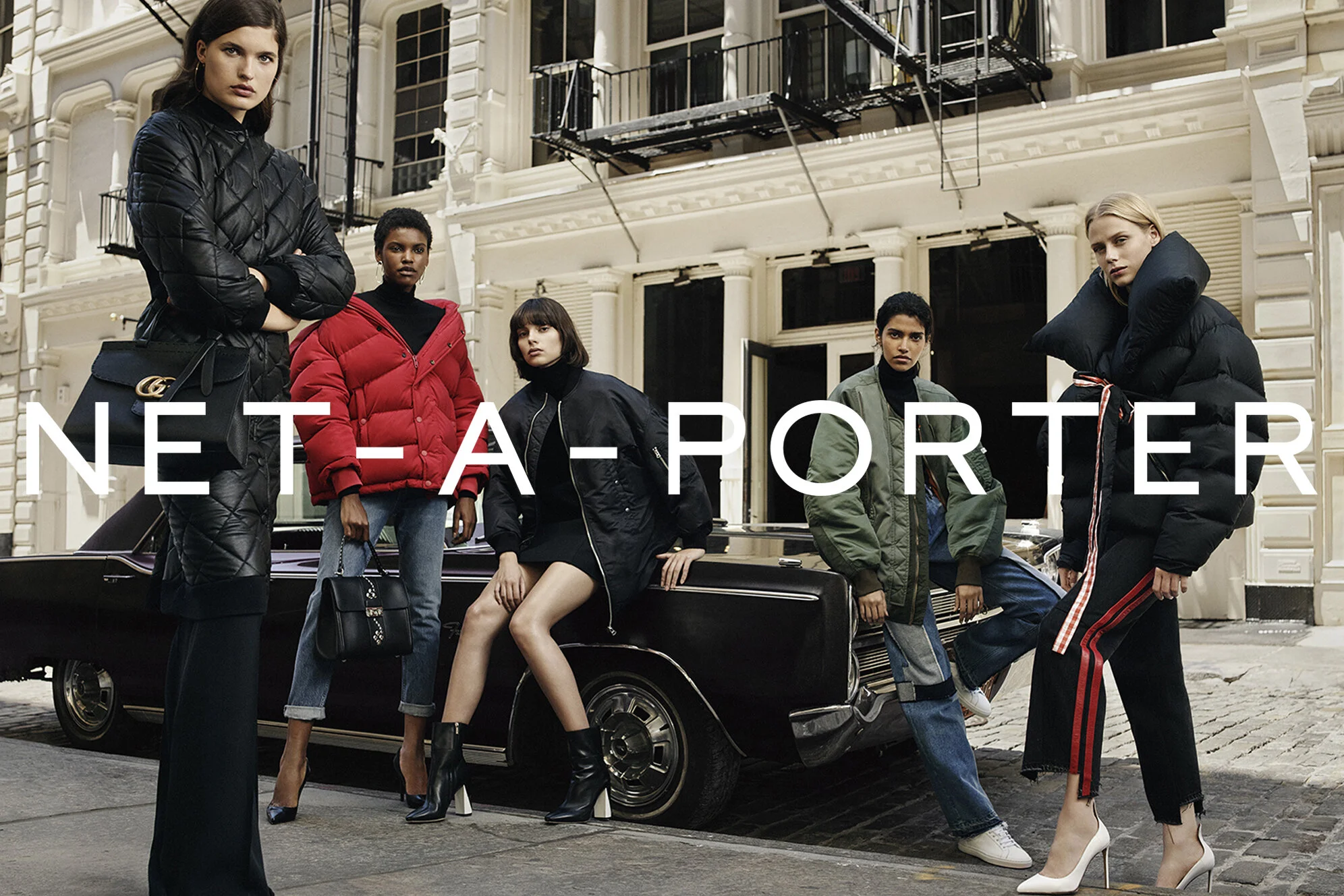
In luxury fashion, presentation can influence how a product is perceived long before a shopper examines its specifications. Photography, composition, lighting, styling, and the overall arrangement of a collection all contribute to the impression a brand creates. Net-a-Porter’s polished visual environment helps reinforce the idea that its products belong within a considered, premium shopping experience.
Strong visual merchandising does more than make a website attractive. It helps customers understand the personality of a collection, recognise relationships between different products, and discover items that match their tastes. A beautifully presented handbag can attract attention through its silhouette and detailing, while an image showing the bag as part of a complete outfit can help the shopper visualise how it might work with pieces already in their wardrobe. The product is no longer just something to examine; it becomes part of an imagined look.
Consistency is equally important. Luxury shoppers expect a level of refinement that reflects the brands they are exploring. When product imagery, typography, layouts, and editorial content feel cohesive, the shopping environment can communicate confidence and attention to detail. A disjointed presentation, by contrast, can make even an expensive product feel less compelling. Net-a-Porter’s visual identity illustrates why digital merchandising deserves the same strategic consideration as window displays and store interiors in traditional luxury retail.
The lesson for premium brands is that high-quality product photography should not be viewed merely as a technical requirement. It is a commercial asset that can communicate texture, craftsmanship, proportion, and styling potential. In a market where customers cannot physically touch the product before buying, visual storytelling becomes an especially valuable way to reduce uncertainty while strengthening emotional appeal.
Curated Discovery: Making an Expansive Designer World Feel Personal
A broad designer assortment gives shoppers access to a rich range of fashion choices, but abundance can also create a problem. When customers face too many products without a clear sense of where to begin, the shopping experience can become overwhelming. Curation helps solve this challenge by organising products around themes, aesthetics, occasions, and emerging trends, giving customers a more approachable way to navigate a large selection.
Net-a-Porter’s curated approach allows fashion discovery to feel more intentional than simply scrolling through endless product listings. Seasonal edits, coordinated looks, designer collections, and occasion-led selections can help shoppers narrow their attention without limiting the possibilities available to them. Someone looking for a workwear refresh, for example, may find it easier to explore a thoughtfully assembled selection of tailoring, shoes, and accessories than to search through every product category independently.
Curation also helps shape the retailer’s identity. The way products are selected and presented communicates a point of view about fashion, quality, and contemporary style. Customers are not only choosing individual garments; they are engaging with a retail environment that helps them interpret the designer landscape. Over time, this editorial perspective can become part of the reason they return.
For luxury consumers, discovery is often part of the pleasure of shopping. Finding an unexpected designer, a distinctive accessory, or a piece that feels perfectly suited to one’s personal style can be rewarding in its own right. By making discovery easier and more inspiring, Net-a-Porter turns the product catalogue into something closer to a curated fashion destination.
Personalisation and the Art of Relevant Recommendations
Luxury shopping is deeply personal. One customer may gravitate towards understated tailoring and neutral colours, while another prefers bold accessories, experimental silhouettes, and statement-making designer pieces. A successful online luxury retailer must accommodate these different preferences without making the shopping experience feel generic. Personalisation helps address this challenge by making product discovery more relevant to individual interests and shopping behaviour.
Like other sophisticated e-commerce platforms, Net-a-Porter operates in a retail environment where customer data, browsing behaviour, and recommendation technologies can help shape the digital shopping journey. When implemented thoughtfully, personalised recommendations can introduce shoppers to relevant designers, complementary products, or styles that reflect their interests. Someone exploring occasionwear, for instance, may also appreciate discovering evening bags, jewellery, or shoes that complement the look. These connections create a more coherent shopping experience while making it easier to explore related products.
However, effective personalisation is not simply about recommending more items. It is about reducing the distance between what customers are interested in and what they can discover. Recommendations that feel relevant can save time and introduce useful possibilities, whereas repetitive or poorly matched suggestions can undermine the experience. In luxury retail, where customers often value individuality and considered choices, relevance is particularly important.
The larger lesson is that technology works best when it supports the human side of shopping. Data can help retailers understand patterns, but the experience still needs to feel intuitive, visually appealing, and respectful of customer preferences. When personalisation complements strong curation and editorial content, it can make a large designer assortment feel more manageable without sacrificing the excitement of discovery.
Building Trust in a Digital Luxury Marketplace
Buying luxury fashion online involves a different set of considerations from purchasing an everyday item. Customers may want reassurance about product authenticity, craftsmanship, sizing, delivery, returns, and the reliability of the retailer. Because shoppers cannot physically inspect a garment or accessory before placing an order, the website must communicate quality and credibility through every stage of the experience.
Net-a-Porter’s established luxury positioning, designer assortment, detailed product presentation, and customer-service experience all contribute to the expectations shoppers bring to the platform. Clear product information helps customers make informed decisions, while professional imagery allows them to examine details and visualise how an item might look. Transparent delivery and returns information can also reduce hesitation by helping shoppers understand what happens after checkout.
Trust is particularly important because luxury purchases can involve substantial financial commitments. A customer considering a designer handbag is not simply asking whether the product looks attractive; they are also assessing whether the retailer deserves their confidence. In this context, a polished website is valuable, but visual sophistication alone is not enough. Reliable fulfilment, accurate product descriptions, responsive service, and a consistent customer experience must support the promise made by the brand.
This demonstrates an important principle for luxury e-commerce: desire may attract the shopper, but trust helps convert interest into a confident purchase. Retailers that invest in both emotional appeal and practical reassurance are better positioned to create lasting customer relationships rather than relying on one-time transactions.
The Mobile Shopping Journey: Turning Inspiration into Action
Modern fashion discovery frequently begins on a smartphone. Customers may encounter a designer look while browsing social media, explore a trend during a commute, or return to a product they previously viewed after receiving a relevant update. For a luxury retailer, the mobile experience must accommodate these fragmented moments of attention while preserving the quality and sophistication of the brand.
A well-designed mobile shopping journey makes it easy to move between inspiration and practical decision-making. Product images should remain compelling on smaller screens, navigation should feel straightforward, and essential details should be accessible without unnecessary friction. Customers should be able to move from discovering a product to understanding its price, available sizes, styling possibilities, and delivery information without feeling that the experience has become complicated.
This is where the relationship between content and commerce becomes especially valuable. A shopper who discovers an appealing look through editorial content should not have to restart the entire search process to find the products involved. The more naturally inspiration connects with product discovery, the easier it becomes for customers to continue exploring when interest is at its strongest.
Yet convenience should not come at the expense of the luxury experience. Excessive promotional messages, intrusive pop-ups, or an overwhelming number of recommendations can make even a premium platform feel transactional. The challenge is to remove unnecessary effort while retaining the sense of discovery, elegance, and consideration that distinguishes luxury shopping from ordinary online retail.
What Other Brands Can Learn from Net-a-Porter
Net-a-Porter’s approach offers valuable lessons for fashion labels, beauty companies, lifestyle retailers, and other brands hoping to build stronger digital relationships with their audiences. The first is that content can serve a commercial purpose without reading like an advertisement. A compelling story about a trend, a designer, or a particular style can introduce products naturally while giving customers something useful or interesting to engage with. When the content creates genuine value, the shopping opportunity becomes part of the experience rather than its only objective.
The second lesson concerns the importance of a consistent brand identity. Every element of an online store, from photography and product descriptions to navigation and customer support, contributes to how customers perceive the business. Brands do not necessarily need an enormous product catalogue or the resources of an established luxury retailer to create a considered experience. They can begin by presenting a focused collection, investing in strong visuals, writing informative product descriptions, and organising their products around the needs and interests of their audience.
Third, brands should recognise that the customer journey rarely follows a perfectly straight line. A person might discover a product today, compare alternatives tomorrow, and purchase it several days later. Useful editorial content, thoughtful recommendations, convenient navigation, and consistent communication can help maintain interest throughout that process. Rather than measuring success exclusively through immediate sales, brands can also examine engagement, returning visits, product discovery, conversion rates, and customer retention to understand which parts of the experience are working.
Finally, luxury retailers demonstrate the importance of balancing aspiration with usability. Beautiful presentation can attract attention, but customers still need accurate information, dependable service, and an uncomplicated route to checkout. The strongest digital experiences make these elements work together, ensuring that inspiration is supported by substance.
The Future of Luxury E-Commerce: From Browsing to Belonging
As online retail evolves, the distinction between content, community, and commerce is becoming increasingly important. Customers expect more than a digital storefront; they want experiences that reflect their interests, introduce them to new ideas, and help them make choices that feel personal. Advances in artificial intelligence, recommendation systems, and visual discovery may create additional opportunities for luxury retailers to tailor the shopping journey, although their success will depend on how thoughtfully these technologies are implemented.
For platforms such as Net-a-Porter, the opportunity lies in continuing to connect the efficiency of digital commerce with the emotional richness of fashion. Technology can help customers discover relevant products, but strong editorial judgement, visual storytelling, and dependable service remain essential to a credible luxury experience. The objective is not to make every interaction feel automated or every visit end in a purchase. It is to create a destination customers have a reason to revisit.
Ultimately, Net-a-Porter’s approach illustrates a powerful idea about luxury e-commerce: the journey towards a purchase can be just as influential as the transaction itself. Through curated discovery, aspirational imagery, editorial content, relevant product recommendations, and an emphasis on customer confidence, browsing becomes an opportunity to explore personal style and imagine new possibilities.
That is the difference between an online store that simply displays products and a digital destination that makes people want to return. Net-a-Porter’s broader lesson for modern brands is clear: when you combine the right products with compelling stories and a seamless shopping experience, you do more than capture attention. You create the conditions for desire to grow, trust to develop, and inspiration to become action.