
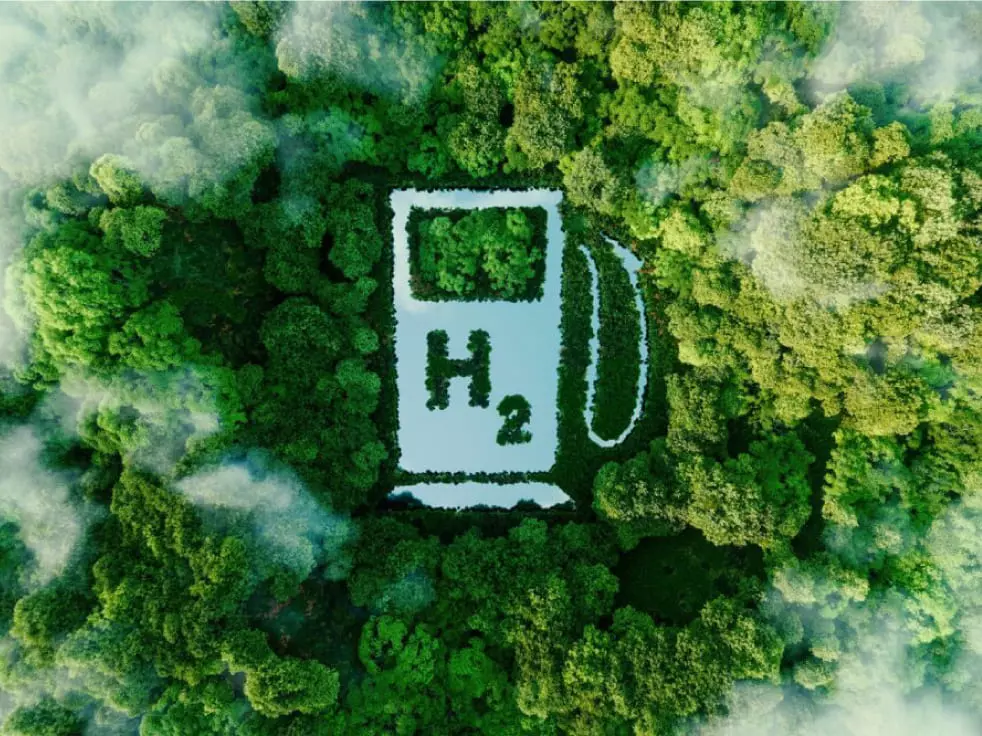
For more than a century, the global energy landscape has been dominated by oil, coal, and natural gas. These fossil fuels powered the industrial revolution, reshaped human life, and helped build modern economies. But they also produced the emissions that now threaten the planet. As the world confronts the challenges of climate change, rising temperatures, and worsening extreme weather events, the search for clean, reliable, and scalable energy alternatives has intensified.
Among all emerging solutions, green hydrogen has gained extraordinary momentum. Seen as a potential “fuel of the future,” it carries the promise of deep decarbonization across industries that are otherwise difficult to clean. Its versatility, storage capability, and compatibility with existing energy systems have positioned it as a central pillar of the next global energy revolution.
Understanding Green Hydrogen
Hydrogen is the most abundant element in the universe, but it does not exist freely in nature. It must be extracted from compounds like water or hydrocarbons. Based on how it is produced, hydrogen is classified into different types:
- Grey Hydrogen – Derived from natural gas using steam methane reforming, releasing significant CO₂.
- Blue Hydrogen – Similar process as grey, but emissions are captured using carbon capture technology.
- Green Hydrogen – Produced through electrolysis powered by renewable energy, emitting zero carbon.
Green hydrogen’s key advantage is its cleanliness. The only byproduct is oxygen, making it an ideal solution for countries striving for net-zero emissions.
Why the World Needs Green Hydrogen
Modern renewable technologies such as solar and wind are expanding rapidly, yet they face limitations:
- They are intermittent solar works only when the sun shines, and wind depends on weather.
- Energy storage systems remain expensive and limited.
- Heavy industries still rely heavily on fossil fuels.
Green hydrogen addresses these limitations by acting as a clean energy carrier that can be stored long-term, transported easily, and used across multiple sectors.
Applications Across Industries
1. Heavy Industries
Sectors like steel, cement, and chemical production are among the largest emitters of CO₂ due to their reliance on high-heat processes. Hydrogen can substitute coal and natural gas in these furnaces, enabling industries to operate with drastically lower emissions.
2. Transportation
Battery-powered vehicles have grown rapidly, but they face challenges in heavy-duty sectors such as:
- Long-haul trucks
- Ships
- Trains
- Aircraft
Hydrogen fuel cells provide longer range, faster refueling times, and lighter weight compared to batteries for large vehicles.
3. Power Generation
Green hydrogen can be used in gas turbines to produce electricity, especially during periods when renewable generation is low. It can also stabilize grids by storing excess solar or wind power.
4. Residential and Commercial Use
Hydrogen can blend with natural gas pipelines up to 20% in many regions reducing emissions in heating systems.
Global Investments and Initiatives
Countries around the world are racing to build hydrogen economies:
- European Union – Target of 40 GW electrolyzer capacity by 2030.
- Japan – Leading adopter; investing in hydrogen-powered transportation and infrastructure.
- Australia – Building massive green hydrogen export hubs.
- India – Launched the National Hydrogen Mission to produce 5 million tons of green hydrogen annually by 2030.
These initiatives signal the beginning of a new global energy trade, where hydrogen could play a role similar to oil and gas today.
Challenges Slowing Its Adoption
Despite the promise, several challenges persist:
- High production costs – Electrolyzers and renewable energy infrastructure remain expensive.
- Storage complexities – Hydrogen is highly flammable and requires advanced safety systems.
- Distribution limitations – Hydrogen pipelines and fueling stations are still scarce.
- Energy loss during production – Electrolysis is not yet 100% efficient.
However, rapid technological improvements and falling renewable energy prices are expected to reduce costs significantly in the next decade.
The Road Ahead
As nations accelerate their climate commitments, green hydrogen is emerging as a key solution for a clean, diversified, and resilient energy future. If supported by strong policy frameworks, global collaboration, and sustained investment, green hydrogen could power cities, industries, and transportation networks worldwide shaping a new era of sustainable energy.