Artificial intelligence has transformed modern life at an unprecedented pace. From AI-powered smartphones and personalized social media feeds to smart workplaces and virtual assistants, technology now shapes how people think, work, communicate, and even relax. While these innovations improve convenience and productivity, they also create a new challenge: digital overload.
In the AI era, constant screen exposure has become a global health concern. Studies increasingly link excessive digital consumption to mental fatigue, reduced attention span, poor sleep quality, anxiety, and cognitive burnout. As people spend more hours connected to devices, the concept of a “digital detox” is gaining worldwide attention.
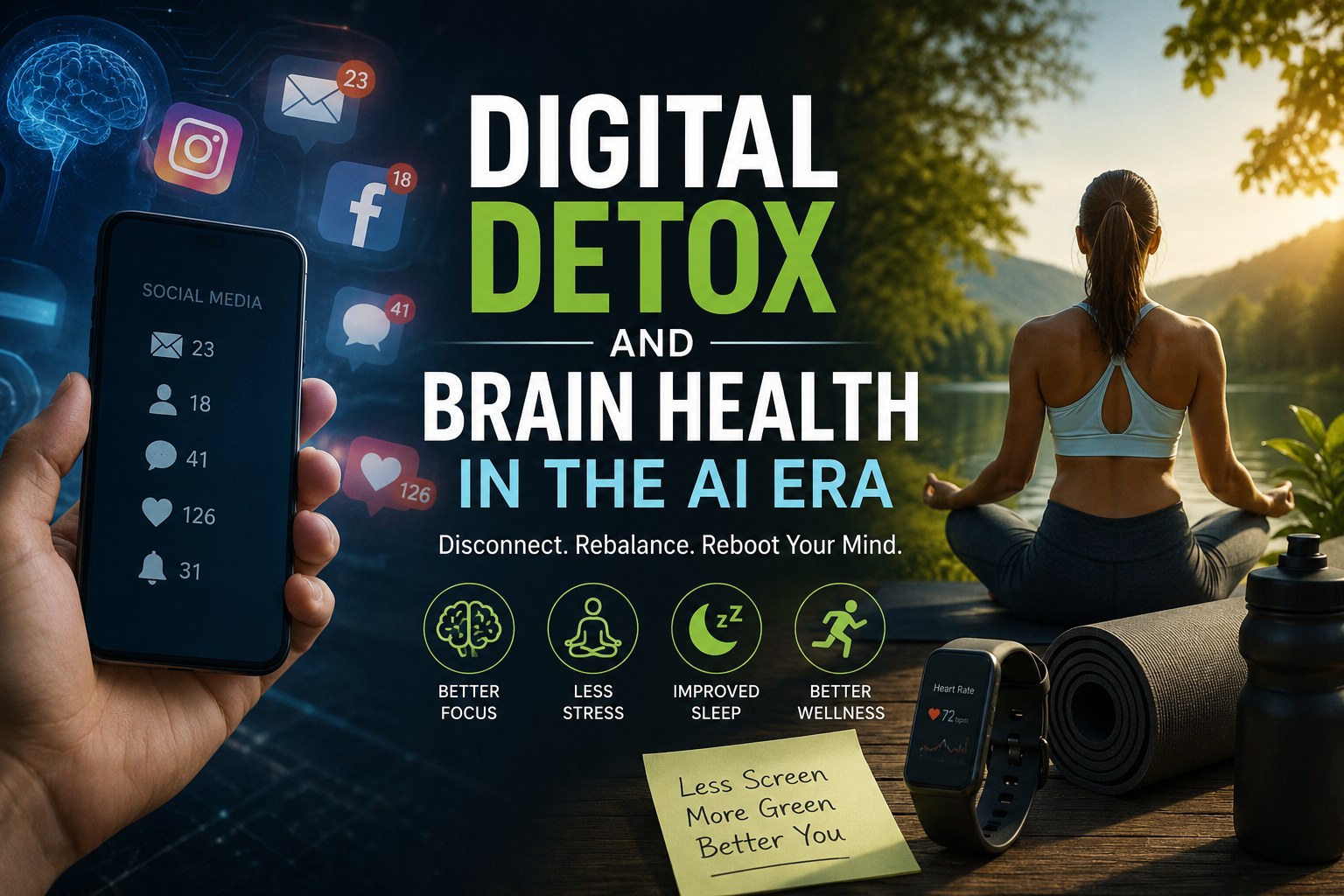
A digital detox is the intentional reduction of screen time and digital stimulation to restore mental clarity, emotional balance, and cognitive performance. Alongside this movement, fitness products are emerging as powerful tools for supporting brain health and helping individuals disconnect from unhealthy digital habits.
From smart fitness wearables and meditation devices to outdoor training equipment and recovery tools, the global fitness industry is evolving beyond physical appearance. Today, fitness products are increasingly marketed as solutions for stress reduction, cognitive wellness, improved focus, and healthier lifestyles.
This shift reflects a growing understanding that physical movement and mental health are deeply interconnected.
The Growing Impact of Digital Overload
Modern consumers are exposed to more digital information in one day than previous generations encountered in weeks. Notifications, emails, AI-generated content, endless scrolling, and virtual meetings continuously compete for human attention.
This overstimulation affects the brain in several ways:
- Reduced concentration and memory retention
- Increased stress hormone production
- Sleep disruption caused by blue light exposure
- Mental exhaustion and emotional fatigue
- Dopamine dependency from social media engagement
AI-driven algorithms are specifically designed to maximize user engagement. While effective for businesses, this creates prolonged screen dependency for users.
Many professionals now experience “always-on syndrome,” where the brain never fully rests from digital interaction. This condition is particularly common among remote workers, entrepreneurs, students, and corporate employees.
As awareness grows, consumers are actively searching for practical methods to restore balance between technology and mental wellness.
What Is Digital Detox?
Digital detox refers to consciously limiting digital device usage for a specific period to improve mental and physical health.
This may include:
- Reducing smartphone usage
- Taking breaks from social media
- Avoiding screens before bedtime
- Spending more time outdoors
- Replacing online activities with physical movement
- Engaging in mindfulness and fitness routines
The goal is not to eliminate technology entirely but to create healthier digital boundaries.
A successful digital detox can improve:
- Cognitive performance
- Emotional stability
- Productivity
- Sleep quality
- Creativity
- Stress management
In the AI era, digital detox is no longer considered a luxury wellness trend. It is becoming an essential lifestyle strategy for protecting long-term brain health.
The Connection Between Exercise and Brain Health
Scientific research consistently shows that physical activity directly benefits the brain.
Exercise stimulates the release of:
- Endorphins
- Dopamine
- Serotonin
- Brain-derived neurotrophic factor (BDNF)
These chemicals improve mood, reduce anxiety, enhance memory, and support cognitive function.
Regular movement also increases blood flow to the brain, helping deliver oxygen and nutrients necessary for mental performance.
Fitness activities associated with brain health include:
- Walking
- Running
- Strength training
- Yoga
- Cycling
- Swimming
- Mobility exercises
- Outdoor sports
As digital stress rises globally, fitness products that encourage movement and mindfulness are becoming valuable tools for mental wellness.
Why Fitness Products Are Booming in the Mental Wellness Industry
The global fitness market is experiencing rapid growth because consumers increasingly view fitness as a form of preventive healthcare.
Modern fitness products now focus on:
- Stress recovery
- Mental clarity
- Sleep optimization
- Nervous system regulation
- Cognitive enhancement
This shift has created strong international demand for wellness-focused fitness equipment and wearable technology.
Consumers no longer buy fitness products only for weight loss or muscle building. They want solutions that improve overall quality of life.
Fitness Products Supporting Digital Detox and Brain Health
1. Fitness Wearables
Smart fitness trackers help users monitor:
- Physical activity
- Sleep quality
- Heart rate variability
- Stress levels
- Recovery patterns
Popular devices include:
- Apple Watch
- Fitbit
- Garmin
- WHOOP
- Oura Ring
These tools encourage healthier routines by reminding users to move, breathe, rest, and recover.
Many wearables now include mindfulness and meditation features designed to reduce digital stress.
2. Standing Desks and Walking Pads
Remote work and AI-driven office environments often involve prolonged sitting.
Standing desks and walking pads help reduce sedentary behaviour while improving focus and circulation.
Benefits include:
- Better posture
- Increased energy levels
- Reduced mental fatigue
- Improved productivity
- Lower stress levels
Walking while working can also support creativity and cognitive flexibility.
3. Home Gym Equipment
Home fitness products became extremely popular after the rise of remote lifestyles.
Examples include:
- Adjustable dumbbells
- Resistance bands
- Smart exercise bikes
- Compact treadmills
- Functional training systems
Home workouts allow users to disconnect from screens while prioritizing physical and mental wellness.
Exercise routines also help reset dopamine levels overstimulated by excessive digital consumption.
4. Yoga and Meditation Products
Mindfulness practices are highly effective for digital detox and nervous system recovery.
Popular products include:
- Yoga mats
- Meditation cushions
- Breathing trainers
- Smart meditation headbands
- Aromatherapy devices
Yoga improves both mental and physical resilience by reducing cortisol and enhancing emotional regulation.
Meditation products are increasingly integrated with AI-powered wellness apps for personalized stress management.
5. Recovery and Sleep Optimization Tools
Brain health depends heavily on recovery and quality sleep.
Fitness recovery products include:
- Massage guns
- Foam rollers
- Infrared therapy devices
- Sleep tracking systems
- Weighted blankets
- Blue-light blocking glasses
These products help reduce stress and improve nervous system recovery after long periods of screen exposure.
Sleep optimization has become one of the fastest-growing sectors in the global wellness industry.
The Role of Outdoor Fitness in Digital Detox
Outdoor fitness activities provide additional psychological benefits beyond indoor exercise.
Nature exposure is associated with:
- Reduced anxiety
- Improved attention span
- Lower cortisol levels
- Better emotional balance
- Enhanced creativity
Outdoor fitness products such as bicycles, hiking gear, running equipment, and portable fitness tools are gaining popularity among consumers seeking screen-free experiences.
Many mental health experts recommend combining digital detox with outdoor movement for maximum cognitive recovery.
AI-Powered Fitness Products: Problem or Solution?
Interestingly, AI itself is also being used to combat digital stress.
Modern AI-powered fitness products offer:
- Personalized workout plans
- Stress tracking
- Guided meditation
- Adaptive recovery recommendations
- Sleep analysis
- Habit-building support
When used intentionally, AI fitness technology can improve health rather than increase unhealthy screen dependency.
The key difference lies in mindful usage.
Technology becomes harmful when it consumes attention without purpose. It becomes beneficial when it supports healthier human behaviour.
This balance will define the future of digital wellness.
Brain Health Challenges in the AI Era
As AI systems become more integrated into everyday life, new brain health concerns are emerging.
Experts warn about:
Attention Fragmentation
Constant notifications weaken deep focus and concentration abilities.
Information Fatigue
AI-generated content overload may increase mental exhaustion and decision fatigue.
Reduced Physical Activity
Automation and digital lifestyles often reduce natural movement patterns.
Sleep Disruption
Excessive screen exposure interferes with melatonin production and circadian rhythms.
Social Isolation
Digital interactions may replace real-world human connection and physical activity.
Fitness products that encourage movement, mindfulness, and healthy habits can help counter these risks.
Corporate Wellness and the Rise of Digital Health Programs
Many international companies now recognize the relationship between employee productivity and mental wellness.
Corporate wellness programs increasingly include:
- Fitness memberships
- Meditation subscriptions
- Stress management workshops
- Wearable fitness devices
- Standing desks
- Digital detox initiatives
Businesses understand that mentally healthy employees perform better, experience less burnout, and maintain higher engagement levels.
This trend is creating significant growth opportunities for fitness and wellness brands worldwide.
Consumer Trends Shaping the Future of Brain Health Fitness
Several global trends are driving demand for fitness products focused on mental wellness:
Preventive Healthcare
Consumers prefer proactive health strategies over expensive medical treatment.
Biohacking Culture
People increasingly optimize sleep, focus, energy, and longevity through lifestyle tools.
Remote Work Lifestyles
Flexible work environments increase demand for home fitness and recovery products.
Mental Health Awareness
Brain health is becoming as important as physical fitness.
Personalized Wellness
AI-powered health recommendations are transforming fitness experiences.
These trends are expected to dominate the global wellness market throughout the next decade.
How to Start a Healthy Digital Detox Routine
A practical digital detox does not require eliminating technology completely.
Effective strategies include:
- Turning off unnecessary notifications
- Using fitness time as screen-free time
- Exercising outdoors regularly
- Creating no-phone zones at home
- Avoiding screens before sleep
- Using wearable devices to monitor recovery
- Scheduling daily movement breaks
- Practicing mindfulness and breathing exercises
Consistency matters more than perfection.
Small daily habits can significantly improve long-term brain health.
Conclusion
The AI era has created extraordinary opportunities for innovation, productivity, and global connectivity. However, it has also introduced serious challenges related to digital overload, mental fatigue, and cognitive health.
As consumers seek healthier lifestyles, digital detox practices are becoming increasingly important for maintaining focus, emotional balance, and overall well-being.
Fitness products now play a major role in this transformation. From wearables and recovery tools to home gym equipment and mindfulness devices, the modern fitness industry is evolving into a powerful force for mental wellness and brain health.
The future of wellness will not be about rejecting technology entirely. Instead, it will focus on using technology intentionally while prioritizing movement, recovery, mindfulness, and human connection.
In a world dominated by AI and constant digital stimulation, protecting brain health may become one of the most valuable investments people can make.