The home has always been more than just a place to live. It’s a reflection of who we are, a sanctuary for rest, creativity, and connection. As we move into 2026, home trends are evolving to reflect personalization, wellness, and smart living, while embracing sustainability and timeless style. From bold color palettes and tactile materials to integrated technology and flexible layouts, homes in 2026 are designed to inspire, soothe, and adapt. Let’s explore the most exciting trends shaping homes this year.
1. Curated Maximalism: Homes That Speak Your Personality
One of the most exciting movements in 2026 interiors is curated maximalism. Unlike minimalism, which favors simplicity, maximalism celebrates bold colors, layered textures, and meaningful décor.
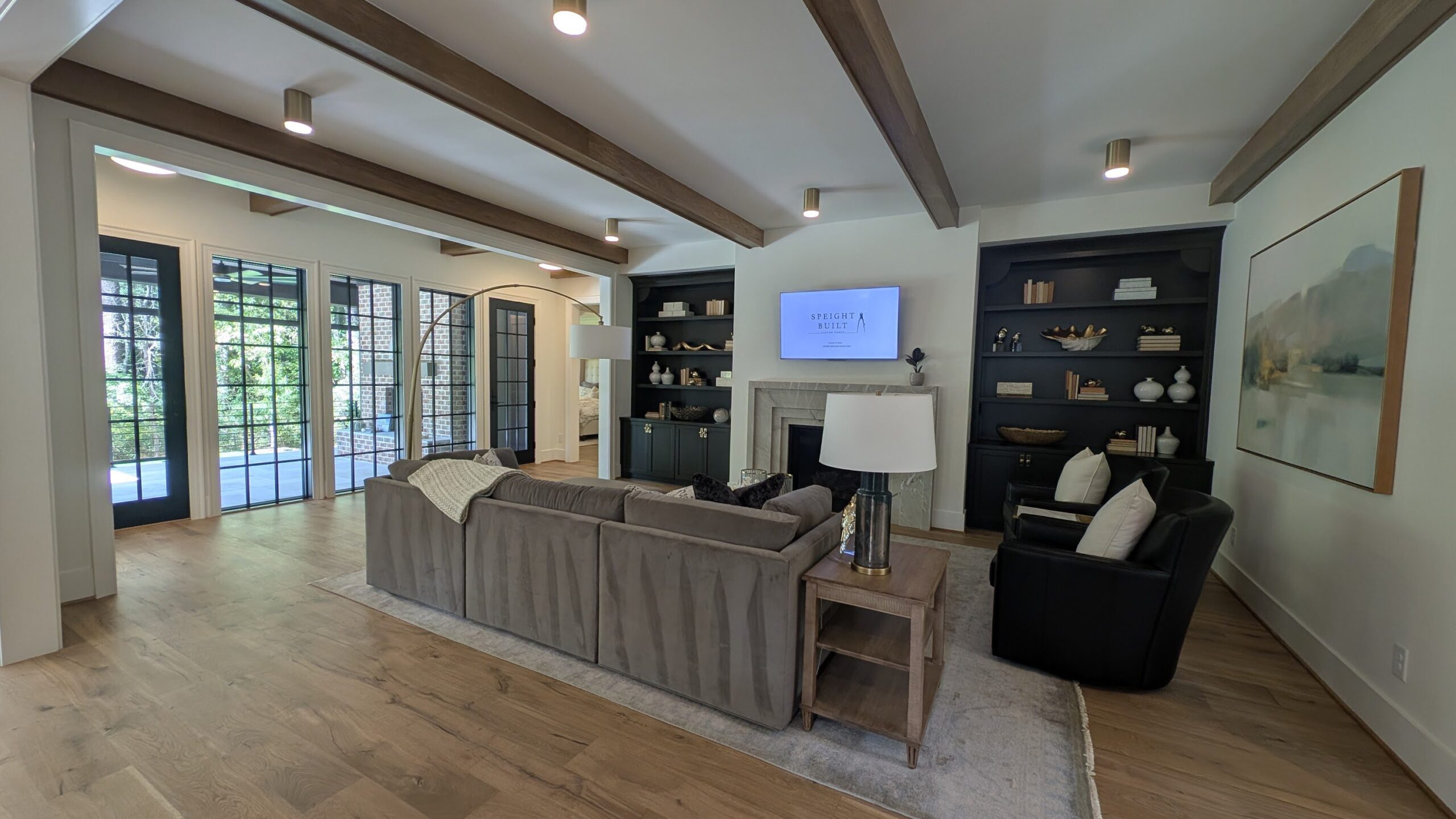
- Bold Colors: Expect coffee browns, earthy greens, deep terracotta, and jewel tones to dominate living rooms, kitchens, and even bedrooms. These colors are warm, grounding, and perfect for creating cozy, inviting spaces.
- Layered Textures: Velvet sofas, handwoven rugs, tactile throws, and ceramics create depth and character. Mixing textures adds dimension to rooms and invites touch and interaction.
- Personalized Spaces: Maximalism isn’t just about style—it’s about storytelling. Display your favourite artworks, heirlooms, and collections to make your home uniquely yours.
- Vintage Meets Modern: Pairing antique furniture with contemporary designs gives a timeless yet fresh look. It’s about balance, not clutter.
✨ Pro Tip: Curated maximalism works best when there’s a thoughtful balance—choose statement pieces and let them shine without overcrowding the space.
2. Nature and Wellness First: Biophilic Design for Calm Living
In 2026, homes are increasingly wellness-focused, reflecting the growing desire to bring nature indoors. Biophilic design connects residents with natural elements, improving mood, focus, and overall well-being.
- Indoor Plants: Greenery is more than decoration. Indoor gardens, potted plants, and vertical green walls enhance air quality and create a calming environment.
- Natural Materials: Wood, stone, bamboo, and linen add authenticity and warmth to interiors. These materials not only look beautiful but age gracefully.
- Wellness Corners: Meditation nooks, yoga spaces, and reading areas are becoming standard. Even small corners can be transformed into personal retreats.
- Light and Air: Large windows, proper ventilation, and natural lighting support both health and aesthetics. Circadian lighting systems in 2026 also help regulate sleep and energy.
🌿 Pro Tip: Incorporate a mix of living and artificial greenery, mood lighting, and water features for a complete sensory experience.
3. Smart and Subtle Technology: Homes That Adapt to You
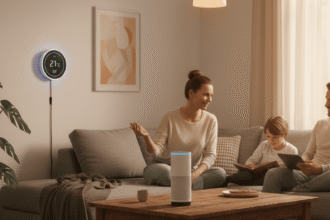
Technology is no longer about flashy gadgets. In 2026, smart homes are seamless, intuitive, and invisible, enhancing comfort without dominating design.
- Hidden Automation: Motorized curtains, smart thermostats, and automated lighting adapt to daily routines. These systems integrate discreetly with your décor.
- AI-Powered Systems: Homes that learn your schedule can optimize energy, security, and even ambiance, creating a truly adaptive environment.
- Connectivity: USB-C outlets, smart panels, and wireless charging stations make homes functional and future-ready.
- Style Meets Function: Technology is designed to blend with interiors, maintaining clean lines and a sophisticated aesthetic.
💡 Pro Tip: Focus on solutions that simplify life, like voice-activated lighting or app-controlled climate systems, rather than cluttering spaces with unnecessary gadgets.
4. Functional and Flexible Living Spaces
Modern lifestyles demand versatility. Homes in 2026 are designed to adapt to different needs, making small spaces feel larger and multifunctional.
- Transformable Furniture: Sofas that double as beds, foldable desks, and extendable dining tables allow rooms to serve multiple purposes.
- Zoned Layouts: Open-plan designs can be segmented into work, play, and relaxation zones without losing cohesion.
- Clever Storage: Sliding walls, hidden cabinets, and modular shelving maximize space efficiency.
- Small Spaces, Big Impact: Even apartments can feel luxurious with smart furniture placement, mirrors, and lighting tricks.
🛋 Pro Tip: Invest in modular furniture that grows and adapts with your lifestyle changes, such as remote work setups or evolving family needs.
5. Colors and Materials That Speak
2026 homes are all about warmth, authenticity, and tactile experiences. Interiors embrace textures and color palettes that make spaces inviting and memorable.
- Earthy Palettes: Think coffee, clay, forest greens, and muted yellows. These colors bring warmth and create grounding spaces.
- Natural Textures: Stone countertops, wooden floors, and linen upholstery add tactile richness to homes.
- Fluid Shapes: Soft, rounded furniture replaces harsh lines, creating a more approachable and comfortable aesthetic.
- Statement Features: From textured walls to bold backsplash tiles, these details draw the eye and define the personality of a space.
🎨 Pro Tip: Use accent pieces in bold shades against neutral backdrops for a modern yet cozy look.
6. Kitchens and Bathrooms: Style Meets Function
Even functional spaces are stepping up their style game in 2026.
- Kitchens: Matte cabinetry, hidden appliances, statement lighting, and smart cooking tools make kitchens both practical and visually stunning.
- Bathrooms: Spa-inspired designs with natural stone, mood lighting, and thoughtful layouts enhance wellness. Floating vanities, rainfall showers, and backlit mirrors are trending.
- Sustainability: Recycled and eco-friendly materials are increasingly popular for cabinetry, flooring, and tiles.
✨ Trend Alert: Kitchens and bathrooms are no longer just functional—they’re destinations for relaxation, cooking, and family interaction.
7. Sustainability and Future-Proof Design
Sustainability is central to 2026 homes. Eco-friendly choices, energy efficiency, and timeless design are no longer optional.
- Eco-Materials: Bamboo, recycled metals, low-VOC paints, and sustainably sourced wood dominate interiors.
- Energy Efficiency: Smart panels, LED lighting, and proper insulation reduce both bills and environmental impact.
- Longevity: Investing in quality furniture and timeless décor ensures your home looks stylish for years without constant upgrades.
- Mindful Living: Zero-waste concepts, minimalism with warmth, and durable materials are gaining attention.
🌱 Pro Tip: Blend style and sustainability—you can have both a stunning and environmentally responsible home.
8. Outdoor Spaces: Extending Your Living Area
2026 also emphasizes seamless indoor-outdoor living. Gardens, terraces, and balconies are no longer afterthoughts—they’re integral to daily life.
- Terraces and Balconies: Perfect for relaxation, entertaining, or cultivating plants.
- Outdoor Kitchens and Lounges: Extend your living and dining space outdoors.
- Natural Harmony: Flooring, furniture, and décor materials that match indoor aesthetics create a cohesive flow.
🌞 Pro Tip: Use weather-resistant furniture, layered lighting, and planters to make outdoor spaces usable year-round.
Conclusion: Your Home, Your Sanctuary
In 2026, homes are more than just living spaces. They are personalized, soulful, smart, and sustainable. From curated maximalism and bold colors to wellness-focused layouts and invisible technology, these trends allow us to live better, look better, and feel better at home.
The future of interior design is adaptive, expressive, and harmonious. It’s about creating spaces that inspire and support you, blending aesthetics, function, and sustainability. Whether building new, renovating, or refreshing a room, 2026 invites you to make your home a stylish, smart, and soulful sanctuary.