How the Danish design brand is transforming everyday household objects into expressive accessories and redefining the way modern homes look and feel.
The New Era of Minimalism Is Anything but Boring
Minimalist interiors have long been associated with neutral palettes, clean lines, uncluttered spaces, and a preference for functionality over decoration. White walls, beige sofas, natural wood, and carefully selected furniture became the defining elements of a design philosophy built around simplicity. However, as contemporary homeowners look for ways to make their spaces feel more personal, minimalism is beginning to evolve. The modern home no longer has to be entirely neutral to feel sophisticated, and color is becoming an increasingly important part of the conversation. This is where HAY, the Danish contemporary design brand, stands out. By combining Scandinavian simplicity with vibrant colors, unexpected shapes, and accessible everyday objects, HAY is demonstrating that minimalist home decor can be expressive, inviting, and full of personality without becoming visually overwhelming.
Founded in Denmark in 2002, HAY has developed a distinctive identity by bringing contemporary design into everyday life. Its approach is rooted in the idea that well-designed objects should not be reserved for exclusive interiors or expensive architectural spaces. Instead, thoughtfully designed furniture, lighting, accessories, and household essentials can become part of ordinary routines. From colourful storage solutions and sculptural lamps to contemporary chairs, glassware, and decorative accessories, the brand creates products that balance practical purpose with visual appeal. Its design language feels modern without being cold, playful without losing sophistication, and minimalist without appearing predictable. This balance is helping reshape the perception of Scandinavian interiors, proving that simplicity can leave plenty of room for individuality.
HAY’s Scandinavian Design Philosophy Gets a Colourful Makeover
Scandinavian design has traditionally been celebrated for its emphasis on natural materials, functional forms, craftsmanship, and a close relationship between beauty and utility. While these qualities remain central to contemporary Nordic interiors, brands such as HAY have introduced a more experimental interpretation of the aesthetic. Rather than treating color as an occasional decorative detail, HAY often incorporates it directly into the design of functional objects. A chair might feature a vivid red finish, a table lamp might introduce a soft pastel tone, and an ordinary storage container might become an unexpected visual accent. These objects retain the clarity and usability associated with Scandinavian design while bringing a more energetic character to the spaces they occupy.
The appeal lies in the way color is used rather than simply in the number of colors available. HAY’s design approach can make bold shades feel approachable because they are paired with recognizable shapes, restrained proportions, and practical functions. A brightly coloured accessory does not necessarily demand an entirely colourful room. Instead, it can introduce contrast into an otherwise understated interior, creating a focal point without disrupting the overall aesthetic. This is particularly relevant for people who appreciate minimalist home styling but find completely neutral rooms impersonal. By adding thoughtfully selected color through everyday products, homeowners can preserve a clean visual foundation while creating interiors that feel warmer, more distinctive, and more closely connected to their tastes.
Everyday Objects Become Small Expressions of Personality
One of the most interesting aspects of HAY’s influence is its ability to make ordinary household objects feel worthy of attention. In traditional interior styling, decorative investments often focus on statement furniture, artwork, or architectural features. Smaller functional products, including trays, hooks, containers, kitchen accessories, and tableware, tend to receive less consideration. HAY challenges this hierarchy by treating these everyday items as opportunities for creative expression. A practical object can still be visually interesting, and something designed to organize a room can contribute to its overall character rather than disappear into the background.
This approach reflects a broader shift in how consumers think about home accessories. As more people curate their living spaces around personal preferences, the smallest details can become meaningful parts of an interior. A colourful tray on a coffee table, an unusual desk accessory, or a collection of coordinated kitchen essentials can communicate a sense of style without requiring a complete redesign. These additions are also relatively flexible, allowing people to experiment with different colors and arrangements as their tastes change. Instead of treating decor as a fixed investment that must remain unchanged for years, consumers can gradually build an environment that reflects their evolving interests, routines, and personalities.
Why Colourful Minimalism Works in Modern Homes
The success of colourful minimalism comes from its ability to balance visual simplicity with emotional warmth. An interior filled entirely with neutral tones can look elegant and harmonious, but it may also feel impersonal when every element follows the same restrained formula. On the other hand, a room containing too many competing colors, textures, and decorative objects can feel crowded. HAY’s aesthetic offers a middle ground by allowing a limited number of expressive elements to stand out against a relatively simple backdrop. The result is an interior that feels considered without being overly formal and creative without appearing chaotic.
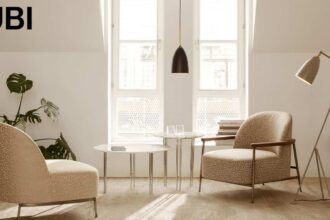
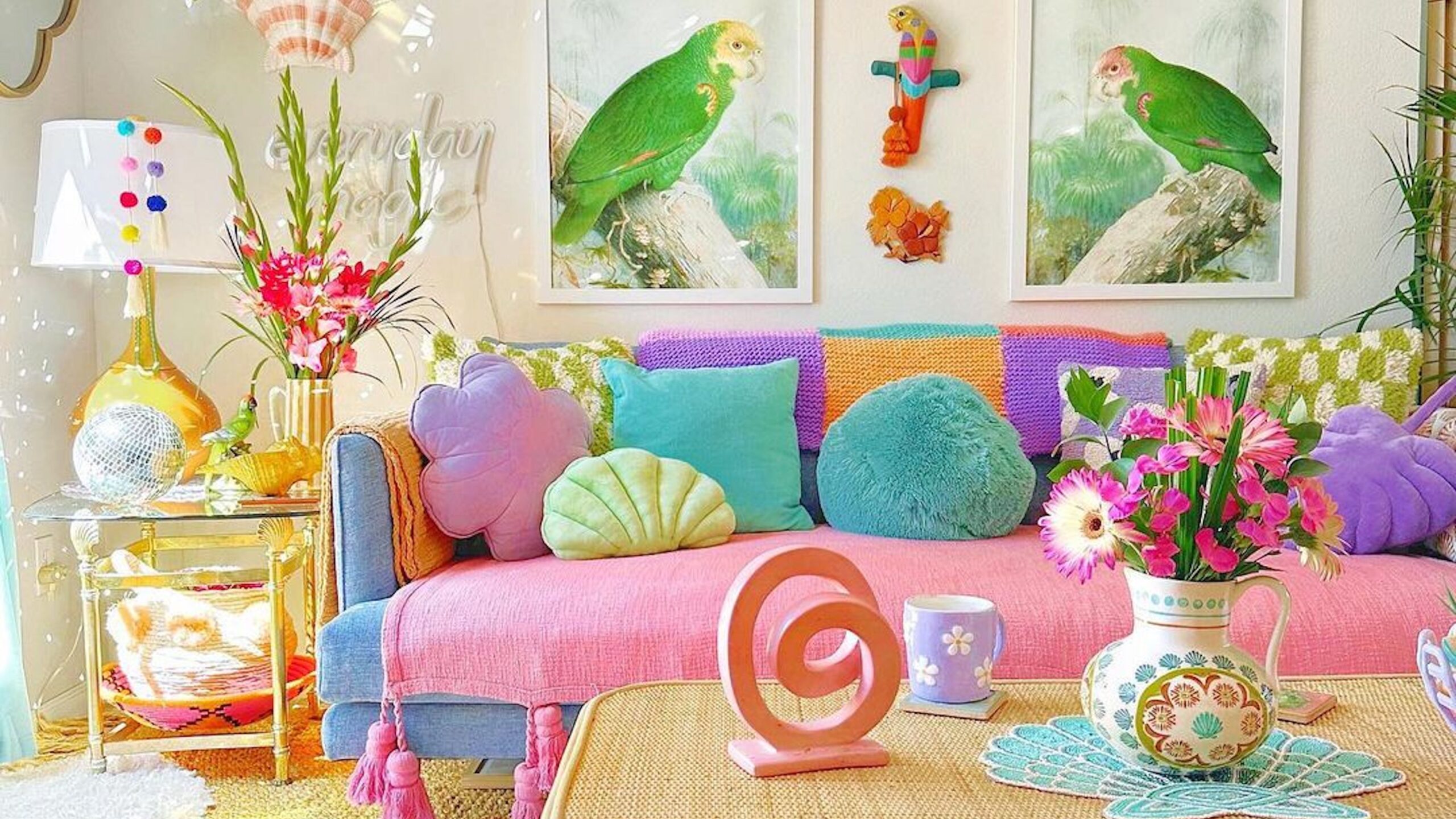
For example, a living room with a cream-colored sofa, pale timber furniture, and simple walls can gain a completely different atmosphere through a brightly coloured side table, a sculptural lamp, or a small arrangement of contrasting accessories. The room does not need additional furniture or extensive decoration; it simply benefits from a more deliberate use of color. Similarly, a minimalist workspace can feel more inviting when practical desk accessories introduce subtle contrast, while a neutral dining area can become more dynamic through contemporary glassware or colourful tableware. These styling choices demonstrate how colourful minimalist interior design can transform a space through relatively small adjustments rather than expensive renovations.
The approach also works particularly well in compact apartments, rented homes, and multifunctional spaces where extensive customization may not be possible. Smaller accessories are easier to move, replace, and rearrange than large furniture pieces, making them practical tools for personalizing a home. A carefully chosen color accent can establish visual interest even when the room has limited space or architectural detail. For renters who cannot repaint walls or replace built-in fixtures, contemporary home accessories provide a simple way to create a distinctive atmosphere while keeping the overall environment flexible.
Design That Balances Functionality With Visual Appeal
At the heart of HAY’s identity is the relationship between function and form. Its products are not designed to be decorative objects alone; they are intended to serve practical purposes within everyday environments. This distinction matters because the most successful contemporary interiors are often built around objects that work well while contributing to the overall visual composition. A well-designed lamp provides illumination while influencing the mood of a room. A thoughtfully shaped chair supports daily use while becoming part of the interior’s visual identity. A storage accessory helps reduce clutter while introducing an intentional accent of color or texture.
This combination reflects a growing preference for products that justify their place in the home. Consumers increasingly look for objects that offer more than a single benefit, especially when living spaces must accommodate work, relaxation, entertaining, and everyday storage. Contemporary design brands respond by creating products that combine practicality with distinctive aesthetics. HAY’s approach fits naturally into this movement because it makes functional objects feel considered without relying on excessive ornamentation. The result is a style of home decor in which usefulness and beauty are not competing priorities but complementary parts of the same design decision.
The idea also encourages consumers to be more selective about what they bring into their homes. Rather than filling shelves and surfaces with decorative items that serve little purpose, homeowners can choose useful products that contribute to the room’s character. This does not mean every object needs to be visually striking. Instead, it suggests that practical purchases can be selected with the same attention to shape, material, color, and proportion that people traditionally reserve for larger design investments.
The Influence of Contemporary Design on Everyday Lifestyle Choices
HAY’s appeal extends beyond traditional interior design enthusiasts because its aesthetic connects with broader lifestyle trends. Home decor has increasingly become a way for people to express identity, particularly as homes serve more functions than they once did. Living rooms double as workspaces, kitchen counters become social gathering points, and bedroom corners transform into reading areas or creative studios. In these environments, the objects people choose can influence not only the appearance of a room but also how they experience it throughout the day.
The growing visibility of design-led interiors across social media has reinforced this relationship between personal style and everyday surroundings. Carefully arranged desks, expressive kitchen accessories, colourful lighting, and thoughtfully styled shelves have become familiar elements of online lifestyle content. However, the most appealing spaces are not always those with the most expensive furniture or the most elaborate decoration. Often, they are the interiors that combine a clear visual direction with a few unexpected details. HAY’s playful yet refined aesthetic fits naturally into this environment, offering inspiration for people who want their homes to look contemporary while still feeling lived in.
This shift also reflects changing attitudes toward the meaning of luxury. While luxury interiors were once frequently associated with expensive materials, elaborate finishes, and visibly exclusive products, contemporary consumers increasingly appreciate design intelligence, versatility, and individuality. A thoughtfully designed everyday object can feel special because of its form, color, or usefulness rather than its size or price alone. Although HAY’s products occupy different price points and should not automatically be considered affordable for every consumer, the brand’s broader design philosophy reinforces the idea that visual sophistication does not always require an extravagant setting.
How HAY Makes Minimalist Spaces Feel More Personal
Personalization has become one of the defining priorities of modern interior styling. People want their homes to feel connected to their experiences, interests, and preferences rather than resemble perfectly replicated showroom displays. HAY supports this desire through products that can be combined in different ways, allowing consumers to build an interior around their own interpretation of contemporary design. Some may prefer soft pastel accents against warm neutrals, while others may choose saturated colors, contrasting finishes, or a more eclectic mixture of accessories. The underlying aesthetic remains recognizable, but the final result depends on how individual products are selected and arranged.
A useful starting point is to build the room around a restrained foundation and introduce color through a small number of deliberate choices. One vibrant chair, a distinctive lamp, or a set of colourful table accessories can provide enough contrast to change the atmosphere of a space. Repeating a shade in two or three places can create cohesion, while combining different tones within a similar color family can produce a softer, more layered effect. Materials also play an important role. Pairing bright colors with natural wood, brushed metal, textured fabrics, or clear glass can prevent a room from feeling overly uniform and help create visual depth.
The key is not to reproduce a particular brand’s showroom aesthetic exactly but to understand the principles behind it. Color should support the atmosphere a person wants to create, whether that means a calm bedroom with subtle accents, an energetic creative workspace, or a dining area designed for relaxed social gatherings. By selecting objects that serve real needs and reflect personal taste, homeowners can achieve an interior that feels intentional rather than overly styled. HAY’s design language offers inspiration for this process, encouraging people to experiment while maintaining a sense of balance.
What HAY’s Approach Says About the Future of Home Decor
The growing interest in colourful minimalism suggests that contemporary interiors are moving beyond rigid definitions of style. Minimalism no longer has to mean the absence of decoration, just as colourful design does not automatically require maximalism. Instead, modern home styling increasingly focuses on creating a balance between simplicity, utility, comfort, and individuality. Consumers are becoming more comfortable mixing understated furniture with expressive accessories, combining natural materials with unexpected shades, and choosing products that reflect their personalities rather than following a single aesthetic rule.
For design brands, this creates an opportunity to rethink how everyday products are presented and experienced. Household essentials can become part of a broader lifestyle story, connecting functional performance with visual identity. Products such as lamps, chairs, containers, kitchenware, and small furniture pieces are no longer simply items to fill a room; they can help define how a space feels and how people relate to it. Brands that understand this relationship can build stronger connections with consumers by offering designs that feel useful, distinctive, and adaptable to different living environments.
HAY’s contribution is not that it invented colourful interiors or abandoned the principles of Scandinavian design. Rather, it demonstrates how those principles can evolve alongside changing consumer expectations. By placing color, character, and practical purpose within the same design conversation, the brand offers an alternative to interiors that rely exclusively on neutral palettes or decorative excess. Its influence can be seen in the broader appeal of expressive everyday objects and the growing recognition that thoughtful design belongs in ordinary routines, not only in carefully curated spaces.
The Takeaway: Minimalism Should Reflect the People Who Live in It
Ultimately, HAY’s approach highlights a simple but meaningful idea: a home does not need to be filled with objects to feel complete, and it does not need to be entirely neutral to feel sophisticated. A well-chosen chair, a distinctive lamp, or a colourful accessory can introduce enough character to make a room feel more personal without compromising its simplicity. This is the appeal of contemporary colourful minimalism. It allows homeowners to enjoy the clarity of a restrained interior while embracing the colors, shapes, and details that make a space feel uniquely theirs.
As modern design continues to evolve, the distinction between practical products and personal expression is likely to become less rigid. People increasingly want the things they use every day to contribute something meaningful to their surroundings, whether through comfort, usefulness, visual appeal, or a combination of all three. HAY captures this changing perspective by making ordinary objects feel thoughtfully designed and by showing how even small details can influence the character of an entire room. The result is a more relaxed, expressive interpretation of minimalism one where simplicity provides the foundation, color creates the energy, and personal taste brings everything together.