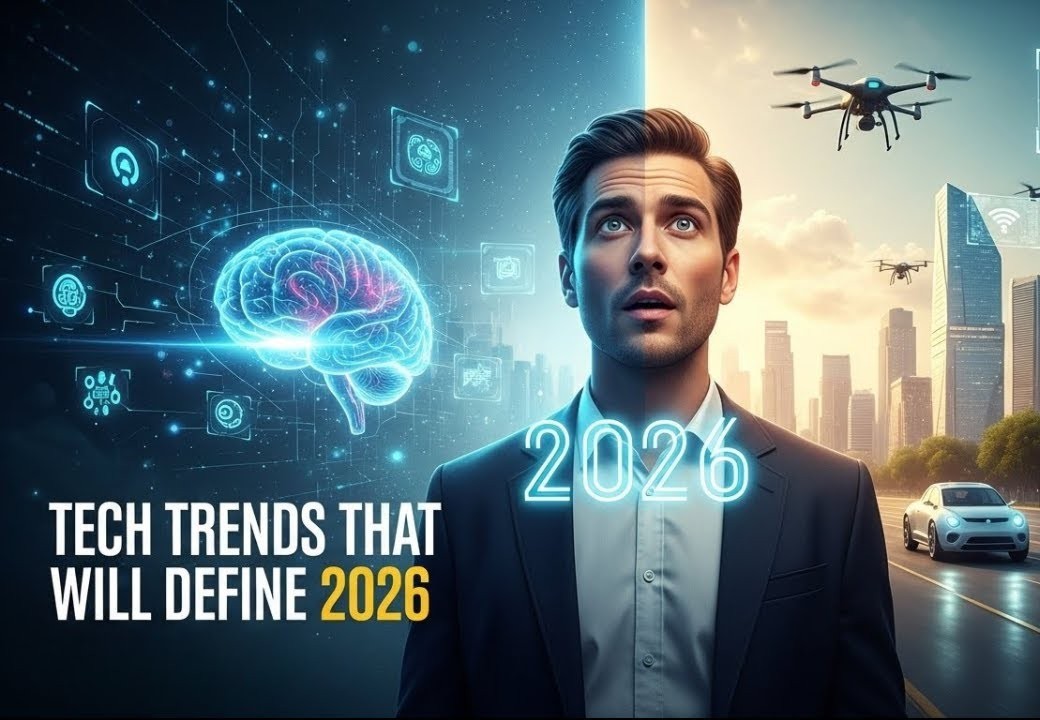
The automobile industry in 2026 is not just evolving — it is transforming at a pace we haven’t seen in decades. Cars are no longer just mechanical machines with engines and wheels. They are becoming software-powered, connected, intelligent mobility devices.
If you’re planning to buy a car this year, understanding these trends can help you make a smarter, future-proof decision. From electrification to AI-driven features, pricing shifts to sustainability — here’s everything every car buyer should know in 2026.
1. Electrification Is No Longer Optional
Electric vehicles (EVs) are no longer a niche category. Automakers across the world — including Tata Motors, Mahindra & Mahindra, Hyundai and BYD — are heavily investing in electric mobility.
What’s Happening in 2026?
- More affordable EV models entering the market
- Improved battery range (400–600 km common in mid-range models)
- Faster charging (20–30 minutes for 80% charge in many cases)
- Government incentives still active in many regions
What Buyers Should Know
- EV running costs are significantly lower than petrol/diesel.
- Home charging availability is a major deciding factor.
- Battery warranties (typically 8 years) reduce long-term risk.
If your driving is mostly city-based, EVs now make financial sense in the long term.
2. Hybrids Are Making a Strong Comeback
While EVs dominate headlines, hybrid vehicles are quietly becoming practical alternatives. Companies like Toyota and Honda are expanding strong-hybrid lineups.
Why Hybrids Are Trending
- No charging infrastructure dependency
- Better mileage than petrol cars
- Ideal for long-distance highway driving
For buyers unsure about EV infrastructure, hybrids offer a comfortable middle ground.
3. Software-Defined Vehicles (Cars Are Becoming Smartphones)
One of the biggest shifts in 2026 is the rise of Software-Defined Vehicles (SDVs).
Cars are now built around software architecture, meaning:
- Over-the-air (OTA) updates improve features after purchase
- New functionalities can be added digitally
- Subscription-based features (heated seats, performance boost modes, ADAS upgrades)
Brands like Tesla pioneered this model, and now traditional manufacturers are adopting it.
What Buyers Should Know
- Your car will improve over time via updates.
- Some features may require subscription payments.
- Technology reliability is becoming as important as engine reliability.
4. AI Is Entering the Driver’s Seat
Artificial Intelligence is transforming driving experiences.
AI in 2026 Includes:
- Smart voice assistants
- Predictive maintenance alerts
- Driving pattern analysis
- Advanced navigation with real-time traffic optimization
Cars are learning your habits — adjusting seat position, temperature, and even suggesting service reminders before breakdowns happen.
For buyers, this means:
- Better convenience
- Improved safety
- Higher dependence on digital systems
5. Advanced Driver Assistance Systems (ADAS) Becoming Standard
Features that once existed only in luxury cars are now entering mid-segment vehicles.
Common ADAS Features in 2026:
- Adaptive cruise control
- Lane-keep assist
- Automatic emergency braking
- Blind-spot monitoring
Safety standards are becoming stricter worldwide. Buyers should prioritize vehicles with strong safety ratings and active safety tech.
6. Rising Car Prices & Changing Cost Structure
Car prices have increased significantly over the past few years.
Why Prices Are Rising:
- Advanced electronics & sensors
- Semiconductor costs
- Stricter emission norms
- Enhanced safety regulations
Even entry-level cars now come loaded with tech. While upfront costs are higher, you’re also getting more features and better safety.
Tip for buyers:
Compare total cost of ownership (TCO) instead of just showroom price.
7. Sustainability Beyond Electric Vehicles
Sustainability is not just about EVs anymore.
Automakers like BMW and Volvo Cars are focusing on:
- Recycled interior materials
- Carbon-neutral manufacturing
- Reduced water usage in factories
Consumers are increasingly considering environmental impact while choosing brands.
8. Charging Infrastructure Expansion
One major barrier to EV adoption was charging availability. In 2026:
- Public fast chargers are expanding in metro cities
- Highway charging corridors are developing
- Apartment societies are enabling private charging setups
However, infrastructure gaps still exist in smaller cities and rural areas.
Before buying an EV, check:
- Charging points near home
- Office charging availability
- Highway coverage for long trips
9.Connected Cars & Data Privacy
Modern vehicles are constantly connected to the internet.
They collect data such as:
- Location history
- Driving behaviour
- Maintenance logs
While connectivity improves navigation and safety, data privacy is becoming an important concern.
Buyers should:
- Understand data-sharing policies
- Review privacy settings in infotainment systems
- Choose brands with strong cybersecurity frameworks
10. Flexible Ownership Models
Car ownership is changing.
In 2026, buyers have options like:
- Subscription-based car usage
- Short-term leasing
- Battery leasing for EVs
This flexibility allows customers to upgrade frequently without long-term commitments.
Urban consumers are increasingly exploring “use over ownership” models.
11. Manufacturing & Supply Chain Evolution
After global supply disruptions in previous years, automakers are localizing production and investing in resilient supply chains.
Indian manufacturing capacity has increased significantly, making India a major export hub for small and mid-sized vehicles.
For buyers, this means:
- Better availability
- Reduced waiting periods
- Competitive pricing in some segments
12.Rise of Chinese EV Brands in Global Markets
Brands like BYD are expanding aggressively worldwide with competitive pricing and advanced battery tech.
This increased competition is:
- Driving innovation
- Forcing traditional automakers to reduce costs
- Benefiting consumers with better value
13. Focus on Safety Ratings
Consumers are now checking crash test ratings before purchase.
Organizations such as:
- Global NCAP
- Bharat NCAP
are influencing buying decisions heavily.
Safety is no longer optional — it’s expected.
14.Digital Car Buying Experience
Car buying is increasingly digital:
- Virtual showrooms
- Online booking
- Digital financing approval
- Home test drives
Dealerships still matter, but the buying journey often begins online.
Buyers should compare:
- Online exclusive offers
- Dealership discounts
- Financing rates
15. Future-Proofing Your Purchase
With rapid technological evolution, buyers are concerned about resale value and tech obsolescence.
To future-proof your car:
- Choose brands investing heavily in EV & software
- Ensure OTA update capability
- Check battery warranty (for EVs)
- Prioritize safety & connected features
Final Thoughts
The automobile industry in 2026 is defined by:
- Electrification
- Software integration
- Artificial Intelligence
- Sustainability
- Safety enhancement
- Flexible ownership
Cars are becoming smarter, greener, and more connected. However, higher technology also means higher complexity.
The smartest buyers in 2026 are not just comparing mileage and price — they are evaluating technology, safety, long-term ownership cost, and infrastructure readiness.