In the world of luxury business, value is rarely created through utility alone. A luxury handbag does not merely carry belongings. A premium watch does not simply tell time. A private members club offers far more than access to a building. What luxury brands truly sell is exclusivity the feeling of belonging to a world that few can enter.
Over the last decade, exclusivity has become one of the most profitable business strategies in the global economy. From fashion houses and supercar manufacturers to private aviation companies and elite hospitality brands, scarcity has transformed ordinary products into billion-dollar symbols of status, identity, and aspiration.
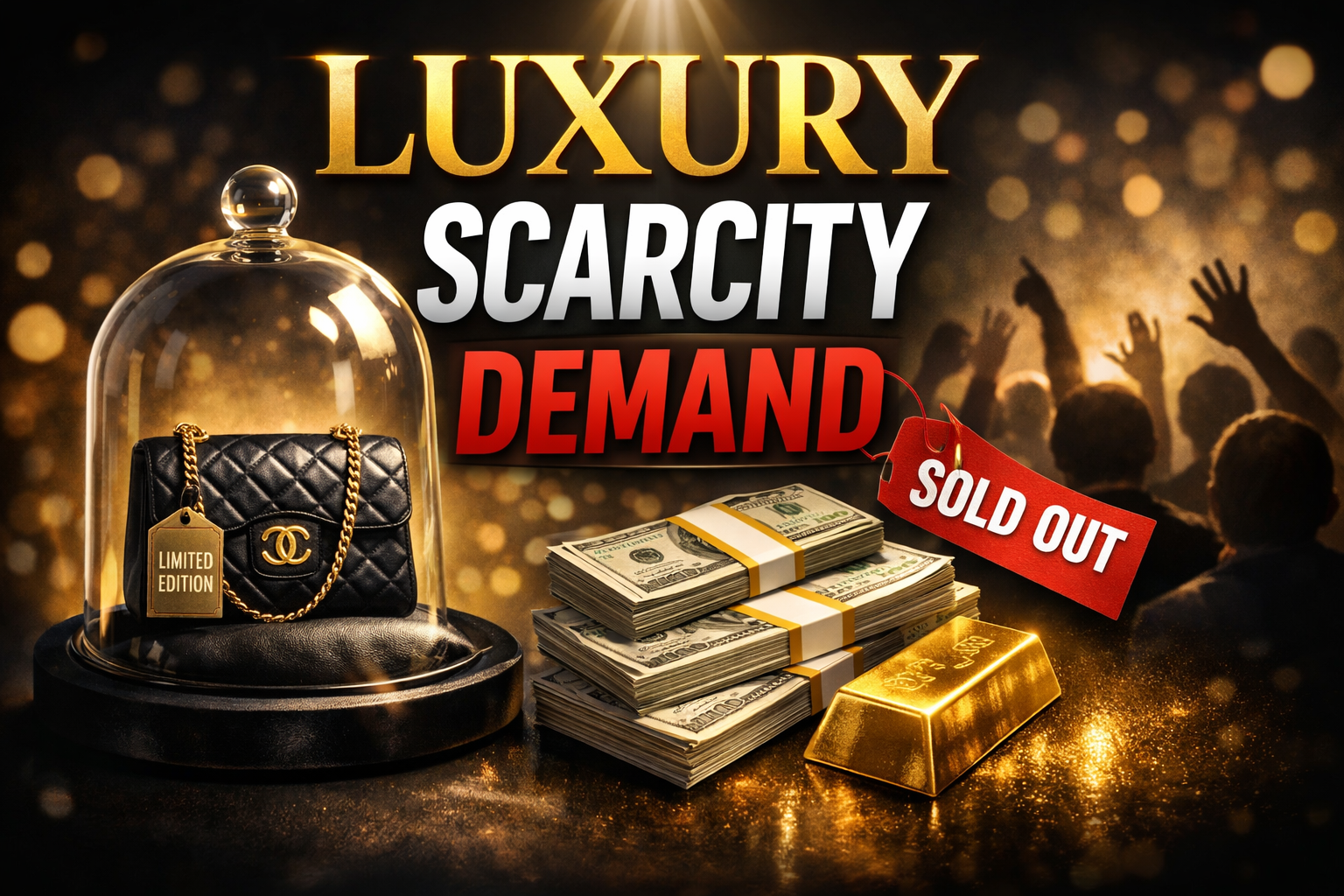
In a time where mass production dominates most industries, luxury brands have discovered that limiting access can often increase demand. The less available a product becomes, the more desirable it appears. This principle has helped companies create waiting lists stretching for years, products selling far above retail value, and loyal communities willing to pay extraordinary premiums.
The modern luxury economy is no longer just about craftsmanship or quality. It is about perception, psychology, storytelling, and controlled scarcity.
Scarcity as a Business Strategy
Scarcity is one of the oldest principles in economics. When something is limited, people naturally perceive it as more valuable. Luxury brands have mastered this principle by intentionally restricting supply even when they could easily produce more.
Unlike mass-market businesses that focus on scale and accessibility, premium brands often prioritize rarity. The goal is not to sell to everyone, but to create the illusion that ownership itself is a privilege.
Luxury fashion houses such as Hermès have become iconic examples of this strategy. The brand’s famous Birkin bag is not openly available for instant purchase in most stores. Instead, customers often spend years building relationships with boutiques before being offered the opportunity to buy one. This carefully controlled access transforms the bag from a product into a status symbol.
Similarly, luxury car manufacturers like Ferrari intentionally limit production numbers to preserve exclusivity. Owning certain limited-edition Ferrari models is not simply about wealth; buyers are often selected based on brand loyalty and reputation.
The result is powerful: customers begin chasing access itself, not just the product.
The Psychology Behind Luxury Demand
Exclusivity works because luxury consumption is deeply emotional. Consumers do not purchase luxury goods solely for function. They buy identity, aspiration, prestige, and social signalling.
Psychologists often describe luxury purchases as “symbolic consumption.” A premium watch, designer handbag, or private jet membership communicates success, sophistication, and belonging to a certain lifestyle.
Scarcity amplifies these emotions. When access is restricted, consumers perceive products as more valuable because not everyone can obtain them. Limited availability creates urgency, anticipation, and competition.
This phenomenon is especially powerful in the digital era, where social media has transformed luxury goods into public symbols of achievement. Platforms like Instagram and TikTok have intensified status-driven consumption by constantly exposing audiences to curated lifestyles filled with rare experiences and exclusive products.
Luxury brands understand this dynamic extremely well. Instead of competing on discounts or affordability, they compete on desirability.
The psychology is simple: people often want what they cannot easily have.
The Power of Waiting Lists
One of the most effective tools in luxury branding is the waiting list.
In most industries, long wait times would be considered poor customer experience. In luxury markets, however, waiting lists can increase demand. Delayed access creates anticipation and reinforces the perception that a product is special.
Luxury watch brands like Rolex have mastered this strategy. Certain models are nearly impossible to purchase directly from retailers despite enormous demand. This scarcity has fuelled a booming resale market where watches often sell far above retail price.
The same strategy exists across industries:
- Luxury restaurants with months-long reservations
- Exclusive clubs with selective memberships
- Limited sneaker drops selling out in minutes
- High-end real estate available only to invited buyers
The waiting period becomes part of the experience. Consumers begin to associate patience with prestige. Ownership feels earned rather than purchased.
This emotional investment strengthens brand loyalty and creates long-term desirability.
Storytelling Creates Emotional Luxury
Luxury brands do not simply sell products they sell stories.
Behind nearly every successful premium brand is a carefully crafted narrative about heritage, craftsmanship, innovation, or cultural influence. These stories give products emotional meaning beyond their physical value.
For example, Louis Vuitton has built much of its identity around travel, craftsmanship, and artistic collaboration. Patek Philippe positions its watches not as accessories, but as heirlooms passed across generations.
Storytelling transforms luxury purchases into personal experiences. Customers feel connected to a larger legacy, lifestyle, or philosophy.
Modern luxury marketing relies heavily on emotional branding:
- Heritage and history
- Handcrafted artistry
- Limited production
- Cultural relevance
- Celebrity influence
- Timeless design
These narratives justify premium pricing while strengthening emotional attachment.
The stronger the story, the stronger the exclusivity.
Private Memberships and the Rise of Elite Access
Luxury brands increasingly understand that modern consumers value access as much as ownership.
This shift has fuelled the rise of private memberships, invitation-only experiences, and exclusive communities. Today, exclusivity extends far beyond physical products.
Private members clubs, luxury travel communities, and elite concierge services are rapidly expanding because affluent consumers seek curated experiences and social belonging.
Companies like Soho House built billion-dollar businesses by turning social access into a premium commodity. Membership is not simply about amenities; it is about entering an exclusive cultural network.
Similarly, luxury hospitality brands now focus heavily on personalized experiences:
- Private island retreats
- VIP airport services
- Invitation-only events
- Members-only lounges
- Customized travel itineraries
In the modern luxury economy, exclusivity itself has become a product.
Consumers are increasingly paying for privacy, personalization, and status-enhancing experiences rather than material possessions alone.
The Role of Craftsmanship
While exclusivity is heavily driven by psychology and branding, true luxury brands still rely on craftsmanship as a foundation.
Handmade production, rare materials, and specialized expertise reinforce perceptions of authenticity and rarity. Luxury consumers expect products to feel exceptional, not just expensive.
Brands often highlight:
- Artisanal manufacturing
- Limited production capacity
- Hand-finished details
- Premium raw materials
- Skilled craftsmanship passed through generations
This emphasis on craftsmanship differentiates luxury brands from mass-market competitors.
For example, high-end watchmakers spend hundreds of hours assembling intricate timepieces by hand. Luxury automotive companies offer customized interiors crafted with rare leathers and materials. Premium fashion houses emphasize handcrafted stitching and artisanal workshops.
Craftsmanship supports the illusion and reality of rarity.
Without quality, exclusivity eventually loses credibility.
Social Media and the New Luxury Economy
Social media has dramatically changed how luxury brands operate.
Historically, exclusivity relied on limited visibility. Luxury brands-maintained distance from mass audiences to preserve mystery and aspiration.
Today, however, social media requires constant visibility. Luxury brands must remain culturally relevant while still appearing selective.
This creates a fascinating paradox: luxury brands now market themselves to millions while still selling to relatively few.
Companies have adapted by embracing controlled visibility:
- Limited product drops
- Influencer partnerships
- Exclusive launch events
- Private digital communities
- Luxury collaborations
Scarcity-driven “drop culture,” popularized by streetwear brands, has heavily influenced luxury marketing strategies. Brands release limited quantities for short periods, creating instant hype and resale demand.
Even ultra-luxury brands now operate with the mindset of entertainment companies. They create anticipation, conversation, and viral desirability.
The goal is not only to sell products but to dominate cultural attention.
Why Consumers Continue Paying Premium Prices
Luxury pricing often appears irrational on the surface. Why would consumers spend thousands on products that may offer similar functionality to cheaper alternatives?
The answer lies in perceived value.
Luxury consumers are not purchasing based purely on utility. They are purchasing emotional, psychological, and social rewards:
- Status recognition
- Personal identity
- Social distinction
- Emotional satisfaction
- Exclusivity
- Cultural relevance
Premium pricing itself can reinforce desirability. Higher prices signal rarity, prestige, and elevated positioning.
In fact, lowering prices too aggressively can damage a luxury brand’s image by making products appear less exclusive.
For luxury businesses, maintaining perception is as important as maintaining quality.
The Future of Exclusivity
The future of luxury branding will likely become even more experience-driven and digitally sophisticated.
As wealth expands globally, especially across regions like the Middle East and Asia, demand for premium products and exclusive experiences continues growing rapidly.
At the same time, younger luxury consumers are changing expectations. Millennials and Gen Z buyers increasingly value:
- Authenticity
- Sustainability
- Personalization
- Digital access
- Cultural relevance
- Limited-edition experiences
Luxury brands are responding through:
- Digital collectibles
- Exclusive online communities
- Sustainable luxury production
- Personalized services powered by AI
- Private travel and wellness experiences
Exclusivity is evolving from ownership into access, identity, and experience.
The future luxury consumer may care less about displaying wealth publicly and more about gaining entry into unique worlds unavailable to the masses.
Conclusion
The business of exclusivity is ultimately the business of human desire.
Luxury brands succeed not because they sell products, but because they create aspiration. Through scarcity, storytelling, craftsmanship, and emotional branding, they transform ordinary objects into symbols of identity and status.
In a world driven by mass accessibility and constant digital exposure, rarity has become more valuable than ever. The brands that master controlled scarcity do more than generate profits they shape culture, influence behaviour, and redefine what consumers perceive as valuable.
Exclusivity is no longer simply a luxury strategy. It is one of the most powerful business models in the modern global economy.