Celebrities Aren’t Just Selling Products Anymore. They’re Selling a World You Want to Belong To.
There was a time when a celebrity endorsement was simple. A famous face appeared in an advertisement, held up a product, said a few carefully chosen words, and the campaign moved on. Today, that model feels almost outdated. The most successful celebrities are no longer asking consumers to buy something because they use it. They are building businesses that make consumers want to buy into their world.
From beauty and fashion to skincare, wellness and lifestyle, celebrity entrepreneurs are turning personal influence into something far more valuable: a recognizable consumer brand.
And that shift is changing the way modern brands are built.
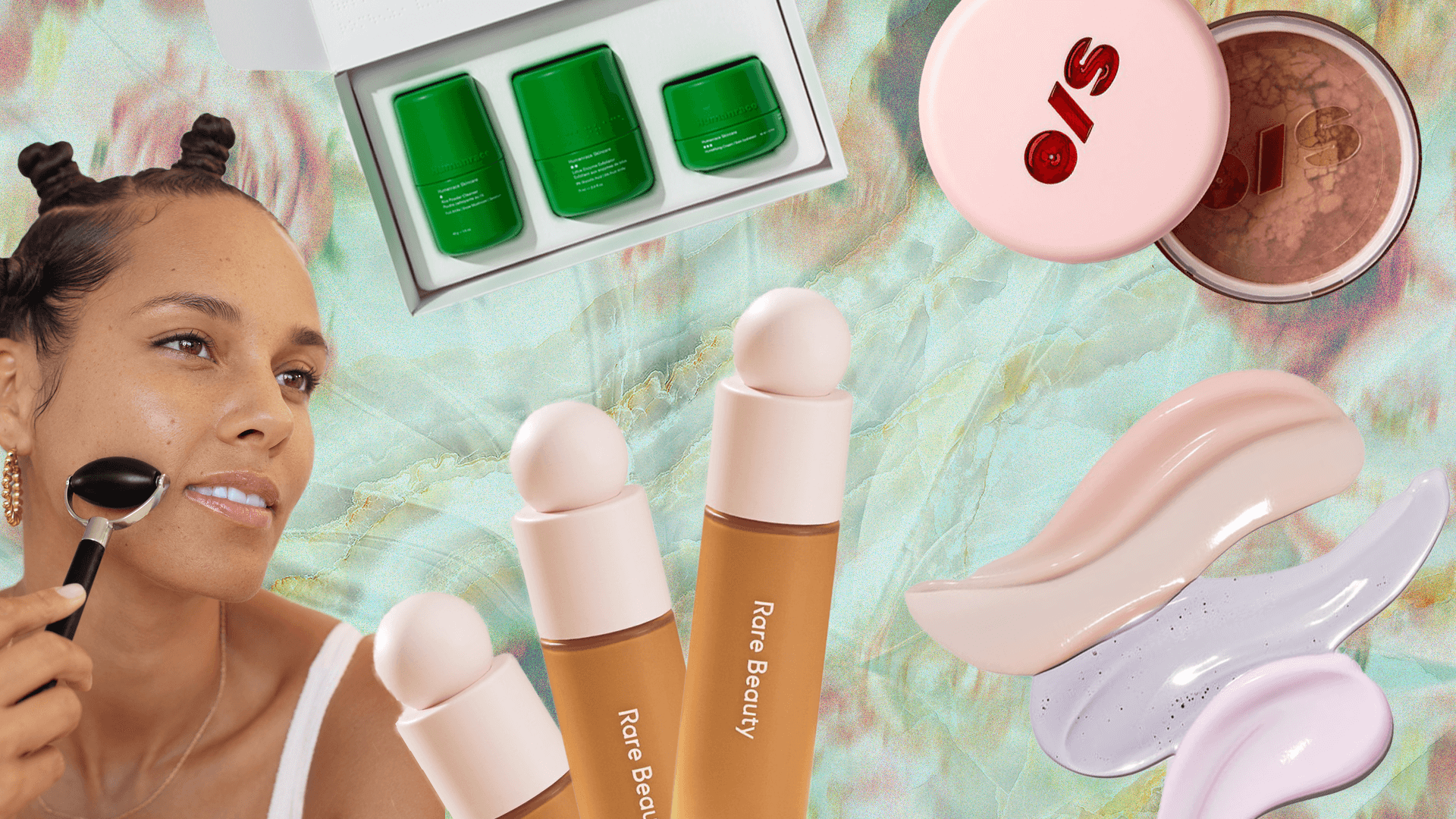
Rihanna didn’t simply attach her name to makeup. She helped create a beauty brand around inclusivity and representation with Fenty Beauty. Kim Kardashian transformed her understanding of body-conscious fashion into SKIMS, a company that has moved far beyond its original shapewear identity. Selena Gomez built Rare Beauty around an emotional idea of beauty and self-expression, while Hailey Bieber turned a minimalist skincare philosophy into rhode, a brand that ultimately attracted a $1 billion acquisition deal from e.l.f. Beauty.
The interesting part isn’t simply how much money these companies make.
It is why consumers care about them.
The Celebrity Is No Longer the Product
The biggest evolution in celebrity branding is the separation between the person and the product.
A weak celebrity brand depends almost entirely on the celebrity’s popularity. If the celebrity disappears from the conversation, the brand disappears with them.
A powerful celebrity brand works differently.
The celebrity may open the door, but the product, positioning, community and experience keep consumers inside.
Think about SKIMS. Kim Kardashian’s audience certainly gave the company an enormous launch advantage. But SKIMS didn’t remain a social-media experiment. It built a recognizable visual identity, expanded its product categories, focused heavily on fit and inclusivity, and moved into physical retail and global expansion.
In 2025, SKIMS raised $225 million at a $5 billion valuation and was on track to exceed $1 billion in net sales.
That tells us something important.
Consumers may discover a product because of a celebrity.
But they don’t necessarily become repeat customers because of the celebrity.
They stay because the brand becomes relevant to their own identity.
Rihanna: Turning Representation Into a Competitive Advantage
Rihanna’s Fenty Beauty is one of the clearest examples of celebrity influence becoming brand strategy.
The opportunity wasn’t simply, “Rihanna loves makeup.”
The bigger opportunity was understanding what consumers felt was missing from the beauty industry.
Fenty entered the market with a strong emphasis on shade inclusivity and representation. Suddenly, the conversation wasn’t only about another celebrity launching another makeup collection. It was about whether the beauty industry was finally acknowledging a broader definition of the consumer.
That distinction matters.
The smartest celebrity brands don’t begin with the question, “What can I sell to my followers?”
They begin with:
“What does my audience believe is missing?”
That is a much more powerful question.
Because when a product solves an actual consumer frustration, influence becomes an accelerator rather than the entire business model.
Kim Kardashian: From Personal Image to a Consumer Ecosystem
Kim Kardashian’s greatest business skill may not be celebrity.
It may be understanding attention.
For years, Kardashian has lived at the intersection of fashion, beauty, entertainment and social media. SKIMS transformed that cultural awareness into a product system.
The brand started with shapewear, but its ambition quickly became much larger. Today, SKIMS spans underwear, loungewear, apparel, swimwear and menswear, while continuing to expand its retail footprint and partnerships.
Its $5 billion valuation in 2025 is particularly interesting because it shows that investors aren’t simply paying for Kim Kardashian’s followers. They are valuing the company as a scalable consumer business.
That is the difference between celebrity merchandise and brand building.
Merchandise says:
“I like this celebrity.”
A brand says:
“This product fits who I am.”
That emotional transition is where the real value is created.
Selena Gomez: Selling a Feeling, Not Just Makeup
Rare Beauty took a different route.
Instead of building its identity around extreme glamour or unattainable perfection, Selena Gomez positioned the brand around authenticity, individuality and a more approachable relationship with beauty.
The strategy is particularly interesting because the beauty category is crowded. Thousands of products compete for attention every day. A celebrity name alone isn’t enough to create long-term differentiation.
Rare Beauty needed a reason for consumers to choose it.
Its liquid blush became a breakout product, but the larger brand story helped create emotional recognition. Forbes estimated Rare Beauty generated approximately $367 million in 2023 revenue and valued the company at around $1.3 billion, with Gomez owning at least 51%.
The lesson for marketers is simple:
People remember products. They remember feelings even longer.
When consumers feel that a brand represents something about themselves, the relationship becomes more personal.
Hailey Bieber and the Power of a Cultural Aesthetic
Then came rhode.
Hailey Bieber didn’t invent skincare. She didn’t invent minimalist beauty. She didn’t invent social-media aesthetics.
What she did extremely well was combine them into a distinct cultural language.
Clean visuals. Minimal packaging. Skin-first messaging. Highly recognizable products. Strong social-media presence.
Rhode became more than a skincare company. It became part of an aesthetic consumers could recognize almost instantly.
And the business result was significant.
In 2025, e.l.f. Beauty announced an agreement to acquire rhode in a deal valued at up to $1 billion, including $800 million in cash and stock at closing and a potential $200 million earnout tied to future growth.
That is a remarkable transformation.
A celebrity can give a company attention.
But a distinctive brand system can create enterprise value.
The Real Secret: Consumers Want Identity
This is where celebrity brands become especially fascinating from a marketing perspective.
Consumers rarely buy products for purely functional reasons.
They buy what the product represents.
A SKIMS customer isn’t only buying shapewear or loungewear. They may be buying confidence, aesthetics, comfort or a particular vision of modern fashion.
A Rare Beauty customer may be buying makeup, but the brand can also represent self-expression and a less perfection-driven approach to beauty.
A rhode customer isn’t only buying skincare. They may also be buying into a minimalist lifestyle and a recognizable visual culture.
That is the power of identity marketing.
The strongest brands don’t just answer:
“What does this product do?”
They answer:
“Who do I become when I use it?”
And celebrity founders have an unusual advantage here because their own identity is already visible to millions of people.
The challenge is turning that attention into something consumers can experience without needing the celebrity to be present.
Fame Gets Attention. Strategy Builds the Business.
This is perhaps the most important distinction.
Celebrity influence can create a powerful launch.
It can generate millions of impressions before a traditional company has even built awareness.
It can make a product trend overnight.
But none of that guarantees longevity.
There are countless examples of celebrity-backed businesses that struggled to translate fame into sustainable consumer demand. A celebrity can create curiosity, but curiosity has a short shelf life.
Consumers eventually ask harder questions.
Is the product actually good?
Is the price justified?
Would I buy it again?
Does the brand understand me?
Does it feel different from everything else?
And perhaps the most important question:
Would I still want this if the celebrity’s face wasn’t on it?
That is the ultimate test.
Recent failures in celebrity-led ventures have made this distinction even clearer. Kate Moss’s wellness brand Cosmoss, for example, struggled despite her enormous fashion legacy, illustrating that personal fame doesn’t automatically transfer credibility into a new category.
The celebrity may be famous.
But the brand must earn its own reputation.
The New Celebrity Business Model
The next generation of celebrity brands may become even more sophisticated.
We are moving from celebrity endorsement to celebrity entrepreneurship, from entrepreneurship to community building, and from community building to full consumer ecosystems.
The celebrity becomes the founder, storyteller, creative director, distribution engine and cultural signal.
Social media then becomes the storefront.
Consumers become the marketing department.
And every product launch becomes a conversation.
This creates a powerful loop:
Celebrity → Attention → Product → Community → Culture → Brand Equity
The strongest companies don’t stop at attention.
They build the entire loop.
So, Which Celebrity Has Built the Strongest Brand?
That depends on what you measure.
If the question is brand valuation, SKIMS is an obvious contender, reaching a $5 billion valuation in 2025.
If the question is cultural impact, Fenty Beauty changed the conversation around inclusivity in beauty.
If the question is emotional connection, Rare Beauty has built a distinctive identity around a more personal approach to beauty.
If the question is speed of transformation, rhode’s journey from a 2022 launch to a potential $1 billion acquisition is difficult to ignore
And that is what makes this category so interesting.
There may not be one universal winner.
Because each successful celebrity entrepreneur has turned fame into a different kind of competitive advantage.
The bigger question isn’t which celebrity has the most followers?
It is:
Which celebrity has created something people would still choose even without the celebrity attached to it?
That is where influence ends and real brand equity begins.
Because in today’s consumer economy, fame can make people look.
But only a strong brand can make them stay.
So, if you had to choose one, which celebrity-backed brand has built the strongest business beyond fame — Fenty Beauty, SKIMS, Rare Beauty, rhode, Kylie Cosmetics, or another name?
Tell us in the comments.
And save this carousel — because the next billion-dollar celebrity brand may not be selling fame at all.
It may be selling identity.