
Introduction: The Strategy Behind Amazon Prime’s Shopping Habit
In the world of e-commerce, attracting a customer is only half the battle. The real challenge is convincing that customer to return, browse again, and make another purchase without needing a special occasion or a major discount. Amazon Prime has built a powerful model around this idea, transforming online shopping from an occasional activity into a convenient part of everyday life. Through fast delivery, exclusive deals, personalized recommendations, digital entertainment, and a membership experience designed around convenience, Amazon encourages customers to shop more frequently while making the overall experience feel rewarding rather than repetitive.
What makes Amazon Prime particularly interesting is that its strategy goes beyond selling products. The company has developed an ecosystem in which shopping becomes connected to entertainment, household planning, personal preferences, and time-saving convenience. A customer might initially subscribe to Prime for faster delivery, but over time, the benefits of membership can influence how they discover products, decide when to buy, and choose where to shop. This combination of convenience, perceived value, and personalized engagement helps explain why Amazon Prime is one of the most recognizable examples of customer retention in modern e-commerce.
1. Fast Delivery Makes Online Shopping Feel Effortless
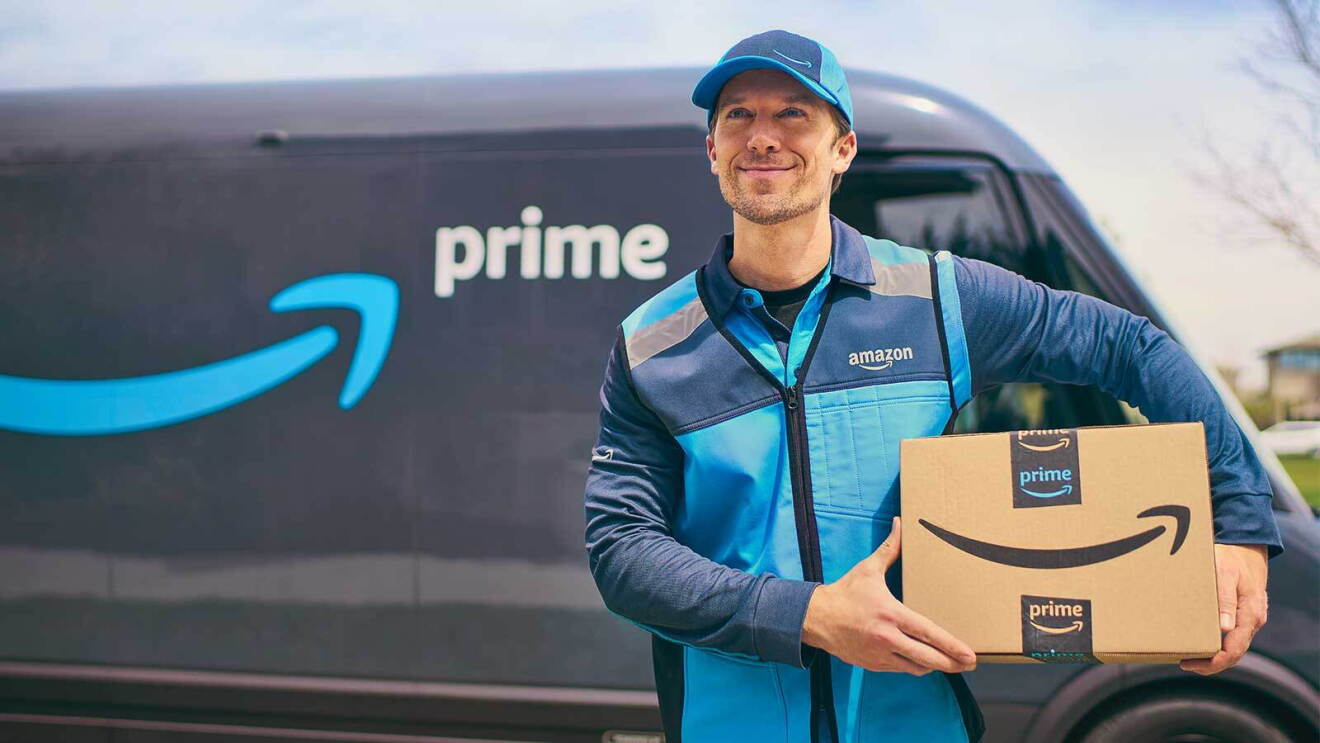
One of the strongest reasons Amazon Prime encourages frequent shopping is its emphasis on delivery speed. Traditional online shopping often requires customers to compare shipping fees, estimate arrival dates, and decide whether an order is worth the wait. Prime reduces much of this friction by offering eligible members faster delivery options on qualifying products, depending on their location and membership terms. When customers know that everyday essentials can arrive quickly, they have fewer reasons to postpone a purchase or save multiple items for one large order.
This convenience can gradually change consumer behavior. Instead of planning a single monthly shopping session, customers may order household supplies, accessories, personal care products, books, or small electronics whenever the need arises. A forgotten charger or an almost-empty bottle of shampoo becomes an immediate shopping opportunity rather than something to add to a future shopping list. The easier the purchasing process becomes, the more naturally it can fit into a customer’s routine.
Fast delivery also changes the way customers evaluate the value of an online purchase. When an item can arrive quickly, buying it online may feel more practical than visiting a physical store, especially for people with busy schedules. Amazon Prime therefore competes not only on product selection or pricing but also on the value of saved time. By making shopping feel less demanding, the service lowers the practical barriers that might otherwise prevent customers from ordering again.
2. Membership Value Encourages Customers to Return
Amazon Prime operates on a membership model, which gives customers a financial reason to continue using the platform after paying a subscription fee. Members generally want to feel that they are receiving enough value to justify the cost of their membership. This creates an incentive to explore available benefits and use Amazon more often, particularly when those benefits include shipping advantages, exclusive promotions, and access to selected digital services.
Consider a customer who pays for Prime primarily because of its delivery benefits. Once the subscription is active, that customer may begin using Amazon for groceries in supported locations, home accessories, gifts, electronics, and other everyday purchases. Each additional order makes the membership feel more useful. The customer may also become more comfortable shopping through Amazon because the platform is already familiar and integrated into their routine.
This does not mean every Prime member automatically spends more or that subscription fees guarantee loyalty. Instead, the model creates an opportunity for Amazon to increase customer engagement by making the benefits of membership relevant across different shopping occasions. The more frequently customers find genuine value in the service, the stronger the incentive to renew their subscriptions and keep Amazon among their preferred shopping destinations.
3. Personalized Recommendations Turn Browsing Into Discovery
Amazon’s recommendation system plays an important role in encouraging customers to discover products they might not have searched for independently. By using signals such as browsing activity, previous purchases, product interactions, and shopping patterns, Amazon can display suggestions that are relevant to individual customers. These recommendations may appear on the homepage, product pages, search results, and other parts of the shopping experience.
For example, someone who purchases a coffee machine may later see recommendations for coffee filters, reusable cups, cleaning accessories, or related kitchen products. A customer who regularly shops for skincare might encounter complementary beauty products, while someone exploring gaming accessories may receive suggestions for controllers, headsets, and compatible devices. These recommendations connect related needs and make product discovery easier without requiring customers to start every search from scratch.
Personalization can also introduce customers to new brands and product categories. A shopper who originally visits Amazon to replace a basic household item may discover a useful gadget or an accessory that fits their interests. When recommendations are relevant, customers can feel that the platform understands what they need, creating a more engaging experience.
However, effective personalization depends on balance. Repeatedly showing irrelevant products can overwhelm shoppers, while overly aggressive recommendations may feel intrusive. Amazon’s opportunity lies in making discovery useful, timely, and connected to customer interests. When recommendations solve real problems or introduce genuinely appealing products, they can encourage customers to revisit the platform even when they do not have a specific purchase in mind.
4. Exclusive Deals Create Reasons to Shop Now
Promotions are another important part of Amazon Prime’s customer engagement strategy. Members may receive access to selected deals, seasonal promotions, or exclusive shopping events, depending on the market and the terms of the offer. Events such as Prime Day give customers a specific reason to browse the platform, compare prices, create wish lists, and purchase products they have been considering.
The psychology behind these events is straightforward: a limited-time offer can make a purchase feel more urgent. Customers who have postponed buying headphones, upgrading a household appliance, or replacing an older device may decide to act when they believe a relevant deal offers better value. Promotional events also attract customers who enjoy researching discounts and planning their purchases around major retail occasions.
Yet the influence of deals extends beyond the event itself. Customers may browse Amazon more frequently in the days leading up to a major sale, monitor prices, save products, and return to check whether an item has become more affordable. This creates multiple opportunities for engagement before a transaction occurs. Amazon can also use promotional messaging to highlight products across different categories, encouraging customers to discover offers beyond their usual shopping habits.
The long-term effectiveness of discounts depends on whether customers perceive them as worthwhile. Constant promotions can weaken trust if shoppers begin to question the original price or feel pressured into buying unnecessary products. The strongest promotional strategy therefore combines attractive offers with clear pricing and relevant products, giving customers a meaningful reason to purchase rather than relying exclusively on urgency.
5. A Vast Product Selection Encourages One-Stop Shopping
Another reason Amazon Prime can increase shopping frequency is the breadth of products available through Amazon’s marketplace. Customers can explore everything from books and home furnishings to clothing, beauty products, electronics, toys, office supplies, and household essentials within one digital environment. This wide selection reduces the need to visit several separate websites for different shopping requirements.
Imagine a customer preparing for a weekend trip. They may need a travel adapter, packing cubes, sunscreen, a water bottle, and a compact bag. Rather than researching multiple retailers, the customer can search for these items on Amazon, compare alternatives, read reviews, and add suitable products to a single order. The convenience of handling several needs in one place can make Amazon an easy option for future purchases as well.
Product variety also creates opportunities for cross-category discovery. Someone who visits the platform for a specific product may encounter accessories, complementary items, or alternatives that better fit their needs. Over time, this can broaden the customer’s relationship with the marketplace, turning it from a destination for occasional purchases into a resource for many everyday shopping decisions.
Although Prime membership and the Amazon marketplace are not identical, they work together to create this experience. Membership benefits can make the broad product selection more convenient to access, while the marketplace gives customers more reasons to use those benefits. The result is an ecosystem in which a wider range of needs can lead to more frequent visits and potential purchases.
6. Easy Reordering Makes Repeat Purchases Almost Automatic
Not every purchase requires extensive research. Many consumers repeatedly buy the same products, including pet food, cleaning supplies, toiletries, pantry essentials, printer accessories, and other household necessities. Amazon supports repeat shopping through features such as order history, saved items, shopping lists, and reorder options that help customers find previously purchased products without repeating the entire search process.
This is especially useful for routine purchases. A customer who regularly buys the same laundry detergent does not necessarily want to compare dozens of alternatives every time the supply runs low. Being able to locate a familiar product quickly makes the next purchase simpler and reduces the mental effort involved in shopping. Once a product has proved reliable, familiarity can become another reason to return to the same platform.
In eligible markets and categories, Amazon’s subscription-based replenishment options can further simplify repeat purchases by arranging recurring deliveries. Such services are useful when customers know that certain products will be needed again after a predictable period. They can help reduce the likelihood of forgetting essential items while making replenishment more convenient.
The broader lesson is that repeat purchasing becomes easier when customers do not need to reconsider every decision. By reducing the effort required to find, evaluate, and reorder familiar products, Amazon can make routine shopping more efficient. Customers still decide what to buy and when, but the platform removes several small obstacles that might otherwise delay the next order.
7. Customer Reviews and Ratings Reduce Purchase Uncertainty
Online shopping comes with a fundamental challenge: customers cannot physically examine most products before buying them. They cannot test a pair of headphones, feel the material of a jacket, or assess the size of a kitchen appliance in person. Amazon’s product reviews, customer ratings, photographs, and detailed descriptions help address this uncertainty by providing additional information before checkout.
For shoppers, these signals can make decision-making more comfortable. Reviews may explain how a product performs in everyday use, whether its dimensions match expectations, or how it compares with competing options. Customer photographs can also offer a more realistic impression than polished product images alone. When shoppers can evaluate these details in one place, they may feel more confident about completing a purchase.
Greater confidence can support repeat shopping because a positive experience often influences future decisions. If a customer receives a product that matches its description and performs as expected, they may be more willing to consider Amazon for their next purchase. Conversely, disappointing products or misleading information can weaken trust and discourage customers from returning.
Reviews do not eliminate risk, and shoppers still need to consider the credibility and relevance of individual assessments. Nevertheless, customer feedback is an important part of the platform’s shopping experience because it helps people move from product discovery to a more informed decision. Confidence is particularly valuable when customers are exploring unfamiliar brands or purchasing items they have not used before.
8. Prime Video and Other Benefits Keep Members Connected to Amazon
Amazon Prime is not simply a delivery program. Depending on the country and membership plan, it can also provide access to digital entertainment and other services. Prime Video, for example, gives eligible members a reason to interact with the Amazon ecosystem even when they have no immediate shopping requirement. This connection between retail and entertainment helps Amazon remain relevant during different parts of a customer’s day.
A member might open Prime Video to watch a series, visit Amazon to check the status of an order, and later return to purchase a product discovered through browsing. These activities serve different purposes, but they take place within the wider ecosystem associated with the same brand. Repeated exposure can strengthen familiarity, making Amazon an established part of the customer’s digital routine.
The value of this strategy comes from offering benefits that appeal to different interests. A customer who shops online occasionally may appreciate entertainment access, while a frequent shopper may value delivery convenience most of all. When a membership offers several useful benefits, its appeal is not dependent on a single feature.
However, the exact benefits of Prime vary by market, and not every service is included in every subscription. What matters strategically is the broader idea: combining complementary services can give customers more reasons to maintain a relationship with a brand beyond a single transaction. In Amazon’s case, entertainment and shopping can reinforce the perceived usefulness of the overall membership.
9. A Convenient Mobile Experience Encourages Spontaneous Purchases
Smartphones have changed the way consumers shop, allowing them to research products and place orders from almost anywhere. Amazon’s mobile app brings product search, recommendations, saved items, order tracking, and checkout tools into one accessible interface. For many customers, this means a shopping task no longer needs to wait until they sit down at a computer.
Mobile convenience can influence purchasing frequency in subtle ways. A person might notice that a household item is running out while making a shopping list, search for a replacement during a commute, or compare products while relaxing at home. When the app makes these actions straightforward, customers can move from identifying a need to completing a purchase with relatively little interruption to their day.
Features such as saved payment details and streamlined checkout can reduce the number of steps between choosing a product and placing an order. The benefit is not simply speed; it is the removal of friction at moments when a customer is ready to buy. A complicated checkout process can cause hesitation, while a clear and reliable experience makes it easier to complete an intended purchase.
Still, convenience should not be confused with guaranteed loyalty. Customers may continue comparing prices across retailers, and they may abandon a purchase if delivery estimates, product quality, or total costs are unsatisfactory. The mobile experience works best when it supports informed choices and provides a consistent level of service, rather than depending only on the ease of tapping a button.
10. Trust, Reliability, and Familiarity Support Long-Term Loyalty
Frequent shopping is not sustained by convenience alone. Customers also need to believe that the platform will deliver what they ordered, provide useful information, and offer support when something goes wrong. Amazon’s order tracking, delivery updates, return processes for eligible products, and customer service options contribute to the overall experience by helping customers understand what to expect before and after a purchase.
Reliability matters because each transaction influences the next one. When orders arrive as expected and products match their descriptions, customers have fewer reasons to reconsider their shopping habits. Familiarity also reduces the perceived effort of using the platform. Customers who already understand how to search, compare options, check delivery information, and manage orders may prefer returning to an environment they know rather than learning a different retailer’s system.
Trust can also influence how customers respond to unfamiliar products. A well-established shopping interface, transparent product information, and accessible support may make the purchasing process feel more manageable. However, trust is not permanent. Poor experiences, counterfeit concerns, misleading listings, or frustrating returns can damage confidence, which is why reliability must be maintained across the entire shopping journey.
For Amazon Prime, customer loyalty is therefore not the result of one benefit alone. It emerges from the interaction between service quality, product availability, convenience, perceived value, and a familiar digital experience. Each positive interaction can strengthen the likelihood of another visit, while each disappointing interaction creates an opportunity for customers to reconsider their options.
The Bigger Picture: How Amazon Prime Influences Modern Shopping Behaviour
Amazon Prime demonstrates how e-commerce businesses can encourage repeat purchases by making shopping useful, convenient, and closely connected to everyday life. Fast delivery reduces waiting time, membership benefits create an ongoing sense of value, personalized recommendations improve discovery, and promotional events give customers specific reasons to return. Reordering tools make routine purchases easier, while reviews, entertainment services, and a familiar mobile experience help maintain engagement beyond individual transactions.
The most important insight is that frequent shopping does not depend entirely on persuading customers to buy more products. It can also emerge when a company removes friction from the purchasing process and becomes a reliable place to solve recurring needs. When customers can find relevant products, evaluate them with confidence, and receive them conveniently, returning to the platform becomes a natural choice.
At the same time, sustainable customer loyalty requires more than frequent notifications or attractive discounts. Consumers increasingly expect transparent pricing, relevant recommendations, dependable delivery, and genuine value for their money. Retailers that focus only on increasing transaction frequency risk encouraging unnecessary purchases without building lasting trust. The stronger approach is to make each interaction useful enough that customers have a clear reason to return.
Amazon Prime’s influence on shopping behaviour offers an important lesson for brands, marketers, and e-commerce businesses: customer retention is built through the complete experience, not just the final sale. By combining convenience, personalization, product discovery, and complementary services, Amazon has created a membership model that encourages customers to think of the platform whenever a new shopping need appears. In a competitive digital marketplace, that position in the customer’s mind can be one of the most valuable advantages a brand can achieve.