Luxury travel is no longer defined solely by a first-class ticket, an exclusive airport lounge, or a five-star hotel waiting at the other end of a flight. For today’s frequent flyers, true luxury lies in the details that make every journey smoother, more comfortable, and less exhausting. From intelligently designed luggage and advanced noise-cancelling headphones to personalised cabin experiences and private airline suites, the modern travel experience is becoming increasingly focused on convenience, privacy, wellbeing, and thoughtful design. As international travel continues to evolve, premium travellers are becoming more selective about the products they carry, the services they choose, and the experiences they consider worth paying for.
The shift reflects a broader change in consumer expectations. Travellers who regularly cross time zones understand that comfort is not an occasional indulgence; it is an essential part of arriving ready for a business meeting, a special occasion, or a new destination. A beautifully designed suitcase matters, but so does the ease of navigating a crowded terminal. A spacious business-class seat is appealing, but uninterrupted sleep can be even more valuable on a long-haul flight. In this new era of sophisticated travel, the most desirable essentials are those that combine understated elegance with practical performance, proving that luxury is as much about how something works as how it looks.
Premium Luggage: Where Design Meets Everyday Functionality
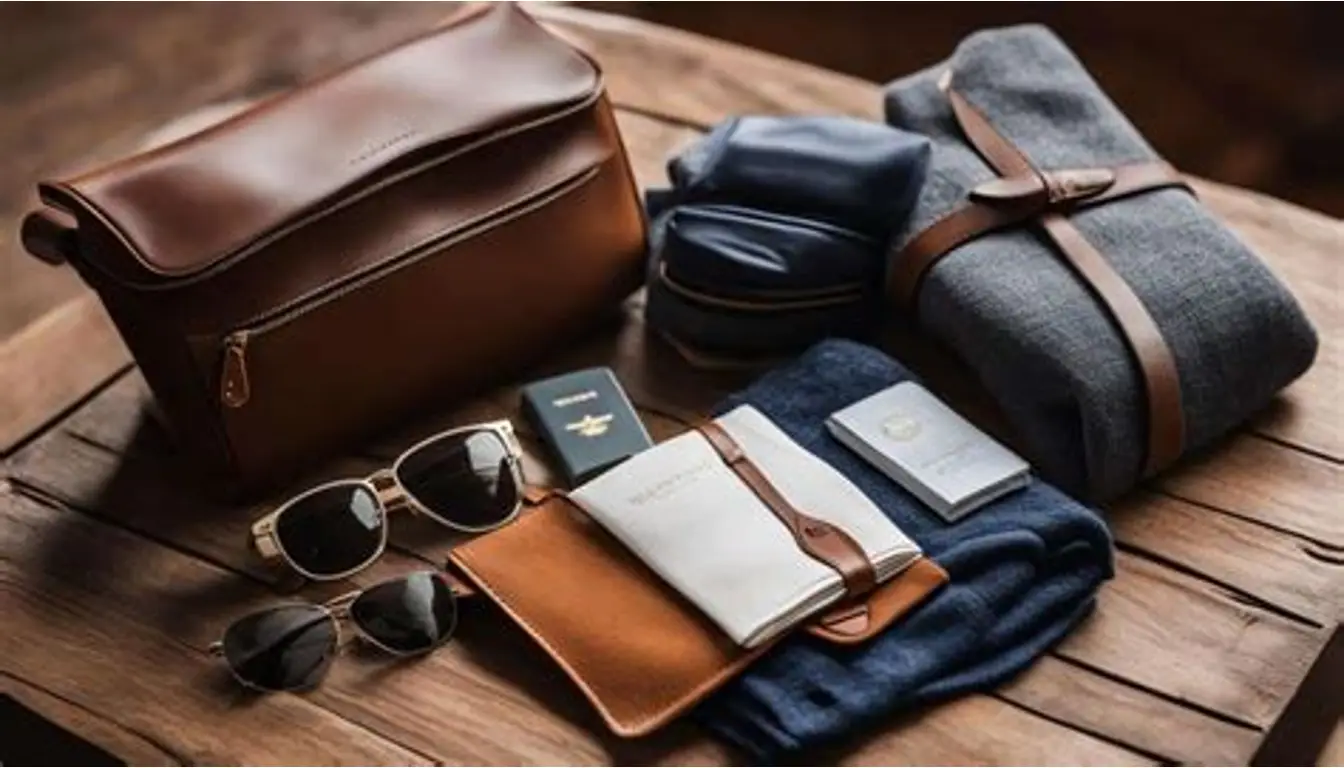
For frequent flyers, luggage is more than a container for clothes and personal belongings. It is a travel companion that must withstand airport transfers, tight connections, changing weather, and repeated international journeys without sacrificing its appearance or functionality. This is why premium luggage brands have become an important part of the modern travel conversation. Names such as Rimowa, Tumi, and Globe-Trotter appeal to different interpretations of luxury, from contemporary engineering and professional practicality to traditional craftsmanship and heritage-inspired design. Their products demonstrate how a seemingly ordinary travel essential can become a statement of personal style.
The appeal of high-quality luggage begins with the features travellers notice immediately: smooth-rolling wheels, reliable handles, durable shells, well-organised interiors, and compartments that make packing less stressful. Lightweight construction is particularly valuable for passengers who travel frequently, especially when airline baggage restrictions leave little room for unnecessary weight. Thoughtful details such as compression systems, removable organisers, and dedicated laptop compartments can make a considerable difference during a demanding itinerary. Rather than purchasing a suitcase simply because it carries a luxury label, experienced travellers increasingly look for designs that solve genuine problems while maintaining a refined appearance.
Smart luggage is also influencing expectations around convenience. Some modern travel bags incorporate tracking compatibility, integrated organisational features, or charging solutions, although travellers should always check airline restrictions before using luggage with built-in batteries. The most useful innovations are those that simplify travel without introducing additional complications. A well-designed suitcase should make it easier to move through an airport, locate essential belongings, and transition between flights, hotels, and ground transportation. For the frequent flyer, the real value of premium luggage is not the attention it attracts at the terminal but the reliability it provides throughout the journey.
Noise-Cancelling Headphones: A Personal Sanctuary Above the Clouds
Airports and aircraft are rarely designed around silence. Boarding announcements, conversations, engine noise, trolley movements, and the general activity of a busy cabin can make it difficult to concentrate or rest. High-quality noise-cancelling headphones have therefore become one of the most practical investments for travellers who spend considerable time in the air. By reducing surrounding noise and creating a more controlled listening environment, they help passengers enjoy music, watch films, participate in calls where permitted, or simply disconnect from the activity around them.
Premium models from brands such as Bose, Sony, and Apple illustrate how personal audio technology has evolved beyond sound quality alone. Travellers now consider active noise cancellation, battery life, comfort during extended wear, microphone performance, multipoint connectivity, and ease of use when selecting headphones for international journeys. Lightweight construction and well-padded earcups are especially important on overnight flights, when even a small amount of pressure can become uncomfortable after several hours. For frequent business travellers, reliable connectivity and clear audio can also make it easier to remain productive while moving between airports, lounges, and hotel rooms.
However, the best headphones are not necessarily the most expensive pair on the market. A traveller who values long-haul comfort may prioritise cushioning and battery performance, while someone who frequently attends virtual meetings may focus on microphone clarity and device switching. The ideal choice depends on how the headphones fit into an individual’s routine. What remains consistent is the growing appreciation for personal space in crowded environments. In this sense, noise-cancelling headphones are more than a technology accessory; they are a small but meaningful investment in a calmer, more controlled travel experience.
Sleep Accessories: The Overlooked Essentials of Long-Haul Comfort
Sleep is one of the most valuable commodities in international travel, yet it is often the hardest to secure. Changing time zones, unfamiliar surroundings, cabin lighting, and restricted seating positions can make it difficult for passengers to rest properly. This has created a growing market for premium travel sleep accessories designed to make long journeys more comfortable. From ergonomic neck pillows and contoured eye masks to lightweight travel blankets and carefully designed earplugs, these products address the physical discomforts that can turn an overnight flight into an exhausting experience.
The difference between an ordinary sleep accessory and a well-designed premium product often comes down to material quality, support, breathability, and portability. A neck pillow should provide useful support without forcing the head into an unnatural position, while an eye mask should block light without placing uncomfortable pressure around the eyes. Breathable fabrics and compact designs are particularly appealing to travellers who want to carry essential comfort items without filling their personal bag. Some frequent flyers also bring familiar items from home, recognising that small routines can help create a more relaxing environment when travelling across continents.
Travel wellbeing extends beyond accessories, however. Choosing a suitable flight schedule, staying hydrated, adjusting sleep routines gradually, and allowing enough recovery time after arrival can all contribute to a more manageable journey. Premium airlines increasingly recognise that passengers value rest as part of the overall experience, especially on overnight routes. When thoughtful cabin design is combined with useful personal accessories, sleep becomes less of an afterthought and more of a central consideration in the planning of long-distance travel.
Travel Technology: Smarter Tools for a Smoother Journey
Technology has become an indispensable part of modern travel, but frequent flyers rarely need more gadgets simply for the sake of having them. What they value most are tools that reduce uncertainty, save time, and make essential information easier to access. A dependable power bank, universal charging adapter, compact charging cable, luggage tracker, and well-organised digital travel wallet can be more useful than a collection of expensive devices that perform overlapping functions. The emphasis is shifting towards a carefully selected travel technology kit that delivers convenience without creating additional weight or complexity.
Portable power is particularly important for travellers who rely on smartphones for boarding passes, navigation, digital payments, hotel reservations, and communication. A reliable charging setup helps prevent minor technical problems from becoming major travel inconveniences. Similarly, luggage trackers can provide useful location information when compatible devices and networks are available, offering an additional layer of reassurance during multi-leg journeys. Travellers should also consider battery capacity, charging compatibility, airline rules, and device security before choosing their equipment. Practical preparation remains just as important as purchasing the latest technology.
Digital travel services are transforming the experience in other ways. Mobile check-in, electronic boarding passes, biometric processing where available, digital hotel keys, and real-time flight notifications can reduce friction throughout an itinerary. At the same time, experienced travellers understand the importance of maintaining offline access to essential documents and keeping backup payment options available. Technology is most effective when it operates quietly in the background, allowing passengers to spend less time managing logistics and more time enjoying their destination. In premium travel, innovation earns its place when it makes the journey feel simpler rather than more complicated.
Private Airline Suites: The New Standard of Personal Space
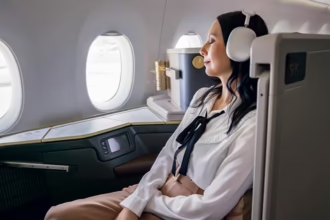
Few developments have changed perceptions of premium air travel as dramatically as the introduction of increasingly sophisticated airline suites. Once associated primarily with private aviation, personal space is now a defining feature of several premium commercial airline products. Enclosed suites, lie-flat beds, direct aisle access, adjustable lighting, personal storage, and carefully arranged dining spaces have helped redefine what travellers can expect from long-haul business and first class. The appeal is not simply the presence of luxurious materials or elegant finishes; it is the ability to create a more private environment within a shared aircraft cabin.
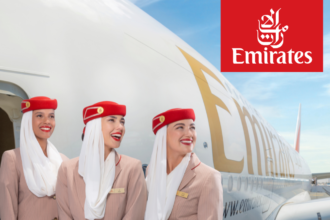
Airlines such as Emirates, Singapore Airlines, and Qatar Airways have helped establish strong expectations around premium cabin design, although their products differ by aircraft, route, and cabin configuration. Some suites emphasise enclosure and privacy, while others focus on generous seating, refined finishes, and flexible ways to work, dine, or rest. The most successful designs consider how passengers actually use the space over the course of a flight. A seat must support more than a comfortable sitting position; it should also accommodate dining, relaxation, entertainment, and sleep without making each transition feel awkward.
Privacy has become especially important for travellers who want to work during a flight or enjoy uninterrupted personal time. Adjustable lighting, intuitive controls, accessible storage, and well-considered cabin layouts contribute to a sense of control that traditional premium seating cannot always provide. Yet a luxurious suite is only one part of the experience. Cabin service, food quality, crew attentiveness, and the consistency of the onboard environment all influence whether passengers feel that the premium fare delivers genuine value. The most memorable cabin experiences are those in which sophisticated design and attentive hospitality work together naturally.
Premium Hospitality: Why the Experience Begins Before Boarding
Luxury travel is increasingly understood as a connected experience rather than a series of separate purchases. The journey may begin with airport transfers, priority check-in, lounge access, and assistance with travel arrangements before continuing through the aircraft cabin and into the destination hotel. When these elements are thoughtfully coordinated, passengers experience less uncertainty and fewer unnecessary interruptions. This is particularly valuable for business travellers, families navigating complicated itineraries, and passengers whose schedules leave little room for delays.
Airport lounges illustrate how premium hospitality has evolved beyond the provision of food and comfortable seating. Many high-end lounges offer quieter workspaces, showers, dedicated relaxation areas, curated dining, and facilities that help passengers prepare for long journeys. Some also provide private rooms or more secluded spaces, depending on the airport and access arrangements. These features are especially valuable during extended layovers, when the ability to refresh, work productively, or rest can significantly improve the travel experience.
The quality of hospitality ultimately depends on consistency and attention to detail. A welcoming arrival, clear communication, efficient assistance, and a comfortable environment often leave a stronger impression than elaborate design alone. Luxury travellers may appreciate exclusive access, but they also value staff who anticipate practical needs without making the experience feel overly formal. In a competitive premium travel market, the most effective service is often the kind that removes small inconveniences before passengers have to ask for help.
Cabin Design and In-Flight Dining: The Details That Shape Perception
A sophisticated aircraft cabin is carefully designed to influence how passengers feel throughout a journey. Seat materials, colour palettes, lighting, storage arrangements, and the placement of personal controls all contribute to the overall impression. Modern premium cabins increasingly use lighting schemes that can be adjusted throughout the flight, helping create different environments for boarding, dining, relaxation, and sleep. When these elements are integrated successfully, the cabin feels less like a temporary transport space and more like a carefully planned private environment.
Dining also plays an important role in shaping the perception of luxury in the air. Premium airline menus often place greater emphasis on ingredient quality, presentation, regional influences, and a wider choice of dishes. Some cabins offer flexible dining arrangements, allowing passengers to eat according to their preferences rather than following a single rigid service schedule. While the quality of airline catering inevitably depends on the route, aircraft, and service conditions, the broader objective is to make dining feel considered and comfortable rather than simply functional.
The most compelling cabin experiences combine visual elegance with practical usability. A beautiful seat loses much of its appeal if storage is awkward or controls are confusing, just as an impressive menu cannot compensate for consistently inattentive service. Travellers increasingly notice these differences because frequent flying gives them opportunities to compare experiences across airlines and routes. Over time, thoughtful design becomes memorable not because it demands attention but because it makes every stage of the journey feel more natural.
Sustainable Luxury: Buying Better Instead of Buying More
As travellers become more conscious of their purchasing decisions, sustainability is also influencing the way they approach premium travel essentials. Instead of replacing luggage or accessories every season, many frequent flyers prefer durable products that can withstand years of use. Repairability, material quality, timeless design, and the availability of replacement parts are becoming useful considerations when evaluating the long-term value of an expensive purchase. A well-made suitcase or a reliable pair of headphones may represent better value over time than several cheaper alternatives that need frequent replacement.
Luxury brands are responding to growing interest in responsible sourcing, product longevity, and more transparent manufacturing practices, although sustainability claims should be evaluated individually rather than accepted simply because a product carries a premium label. Travellers can make more informed decisions by considering how an item is manufactured, how long it is expected to last, and whether it can be repaired or recycled at the end of its useful life. Choosing versatile accessories that work across different trips can also reduce unnecessary consumption.
The same principle applies to the travel experience itself. Rather than paying for every available upgrade, a thoughtful traveller identifies the services that genuinely improve comfort, productivity, or rest. One passenger may find the greatest value in a lie-flat seat on an overnight flight, while another may prioritise a convenient connection, a quiet lounge, or a lightweight carry-on bag. Personalised luxury is not about spending as much as possible; it is about directing spending towards what matters most.
The Future of Luxury Travel Is Personal
The modern frequent flyer is redefining luxury through a more practical and individual understanding of comfort. Premium luggage, advanced headphones, sleep accessories, and travel technology remain important, but their value depends on how effectively they support the journey. Similarly, private airline suites, refined cabin design, and premium hospitality are most successful when they provide privacy, reliability, and genuine ease rather than relying on appearances alone. The direction of premium travel is increasingly clear: travellers want experiences that recognise their needs and help them move through the world with greater confidence.
For some, that means investing in a beautifully engineered suitcase that lasts for years. For others, it means choosing headphones that make a crowded aircraft feel quieter or selecting a premium cabin that offers the space to work and sleep comfortably. The essentials may differ, but the underlying expectation remains the same. Every purchase and service should contribute something meaningful to the experience.
Ultimately, the new luxury travel philosophy is built around thoughtful choices. The most valuable essentials are not necessarily the most expensive, the most exclusive, or the most visible. They are the ones that remove friction, protect personal comfort, and make travelling across borders feel less demanding. As airlines, hospitality brands, and travel technology companies continue to compete for the attention of discerning passengers, the winners will be those that understand a simple truth: genuine luxury is not just about reaching a destination in style. It is about making every moment of the journey feel better.