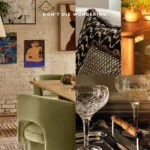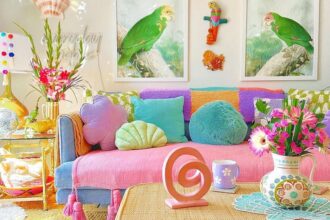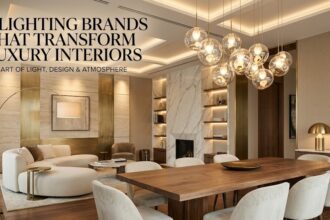
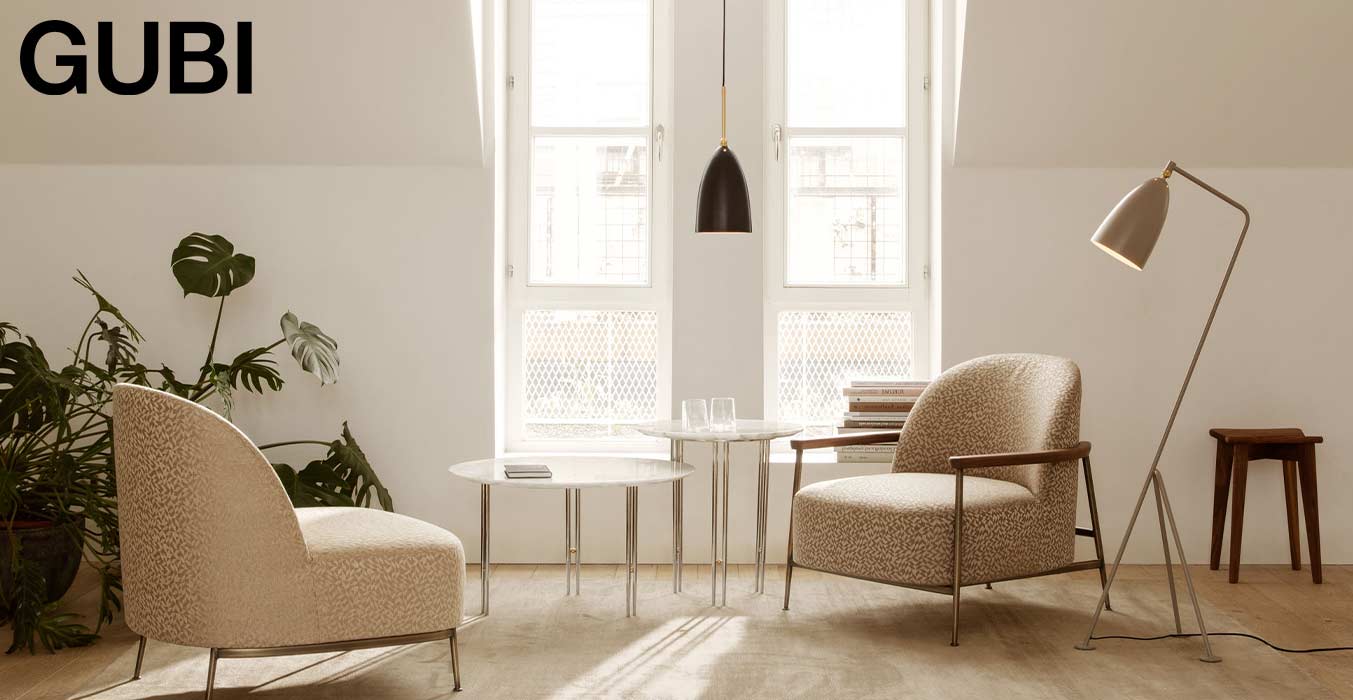
In contemporary interior design, furniture is no longer defined solely by its function. A chair can become a sculptural centrepiece, a lamp can transform the atmosphere of an entire room, and a carefully chosen table can communicate more about personal taste than an elaborate collection of decorative accessories. As homeowners, architects, and designers increasingly seek spaces that combine comfort with individuality, the relationship between furniture, lighting, and art is becoming more important than ever. At the heart of this evolving design philosophy is GUBI, the Danish design house known for bringing distinctive furniture, expressive lighting, and enduring design classics into modern living spaces. Rather than treating interiors as collections of practical objects, GUBI approaches design as an opportunity to create an atmosphere, tell a story, and establish an emotional connection between people and the spaces they inhabit.
The Danish Design House Redefining Modern Living
Founded in Copenhagen in 1967 by Gubi and Lisbeth Olsen, GUBI has developed a distinctive identity within the international furniture and interior design industry. The brand combines contemporary creativity with an appreciation for design history, bringing together established classics and innovative pieces that reflect changing lifestyles. Its collections span furniture, lighting, and accessories, creating opportunities for designers to build interiors that feel cohesive without becoming predictable. What makes GUBI particularly interesting is its ability to connect different design periods through a shared appreciation for craftsmanship, material quality, and distinctive silhouettes. Instead of following every passing trend, the brand draws inspiration from designers whose work continues to feel relevant across generations. This approach gives GUBI a place in conversations about contemporary luxury, where value is increasingly associated with longevity, originality, and thoughtful design rather than decoration alone.
The appeal of GUBI also reflects a broader change in how people understand premium interiors. Luxury living is no longer necessarily about filling a room with expensive objects or reproducing the appearance of a five-star hotel. Increasingly, it involves selecting fewer, more meaningful pieces that express a clear design sensibility. A sculptural armchair, an elegantly proportioned dining table, or a carefully positioned pendant light can establish a room’s identity without overwhelming its architecture. GUBI’s collections support this more considered approach, allowing individual objects to stand out while contributing to the overall character of a space. For homeowners seeking sophisticated contemporary furniture, the attraction lies in this balance between visual impact and everyday usability. Each piece has a practical purpose, but its shape, materials, and presence also contribute to the room as a complete visual composition.
When Furniture Moves Beyond Function
Traditional furniture design often prioritised durability, comfort, and utility, with decorative qualities playing a secondary role. Contemporary interiors have expanded that definition. Today, a piece of furniture can be evaluated not only by how effectively it serves its purpose but also by how it changes the way a room looks and feels. This is where the idea of furniture as functional art becomes especially relevant. A chair with an unusual curved back, a table with a dramatic sculptural base, or a sofa defined by soft, generous proportions can create a focal point without relying on additional ornamentation. GUBI embraces this relationship between function and expression through designs that combine recognisable forms with distinctive visual details. The result is furniture that can remain useful in everyday life while offering the kind of character traditionally associated with art and collectible design.
This approach requires a careful understanding of proportion, silhouette, and visual balance. A statement chair, for example, can introduce contrast into a room filled with clean architectural lines, while a rounded coffee table can soften an interior dominated by rectangular furniture. The effect is often strongest when the surrounding space remains relatively restrained, giving the object enough room to command attention. Instead of placing multiple decorative pieces together, designers can allow one carefully selected item to establish the atmosphere. GUBI’s sculptural furniture demonstrates how shape alone can influence a room’s personality, creating visual interest without making the space feel crowded. For modern apartments, design-led living rooms, boutique hotels, and sophisticated hospitality spaces, this relationship between furniture and architecture offers a practical way to achieve an elevated interior.
The Power of Distinctive Lighting
Lighting has a unique influence on interior design because it affects both what people see and how they experience a space. Furniture establishes the physical arrangement of a room, but lighting determines how its materials, colours, textures, and proportions are perceived. A carefully designed pendant can create a focal point above a dining table, while a sculptural floor lamp can introduce height and visual rhythm into an otherwise understated living room. GUBI’s lighting collections explore this relationship between illumination and form, demonstrating how a light fixture can operate as both a practical source of light and a defining decorative element. For those interested in contemporary designer lighting, this dual purpose makes lighting an essential part of the design process rather than a finishing detail selected after the furniture has been arranged.
One of the most compelling examples of GUBI’s design heritage is the Multi-Lite Pendant, originally designed by Louis Weisdorf in 1972. Recognisable for its distinctive geometric construction and adaptable composition, the design illustrates how lighting can combine technical ingenuity with artistic expression. Its form gives it a strong visual identity even when the light is switched off, while its adjustable elements allow the direction and character of illumination to be altered. This ability to influence both the visual appearance and practical performance of a room explains why iconic pendant lights continue to attract attention from architects and interior designers. Above a dining table, the multi-lite can establish a sense of occasion; in a living area, it can become a sculptural detail that connects the furniture with the architecture. Its lasting appeal demonstrates how thoughtful design can remain relevant long after the trends surrounding it have changed.
The importance of lighting becomes even clearer when considering the difference between brightness and atmosphere. A room can be sufficiently illuminated and still feel cold, flat, or uninviting. Effective interior lighting uses layers to create depth, combining general illumination with task lighting and softer accent lighting. A pendant might provide focused light above a dining area, while a table lamp introduces warmth beside a sofa and a floor lamp creates a quieter corner for reading. Decorative fixtures with distinctive forms add another dimension by contributing to the room’s identity throughout the day. GUBI’s approach to lighting encourages designers to consider the fixture itself as part of the composition, paying attention to how it interacts with furniture, natural light, and surrounding materials. When these elements work together, lighting becomes an integral part of the interior experience rather than a purely technical necessity.
Iconic Furniture and the Return of Timeless Design
One of the defining characteristics of enduring furniture is its ability to remain visually relevant despite changing fashions. While trend-driven pieces may attract attention for a season, iconic designs often survive because their proportions, materials, and construction possess a more lasting appeal. GUBI’s collection includes designs that reflect this relationship between historical significance and contemporary living. The Beetle Chair, designed by Gam Fratesi, is a notable example. Inspired by the structure and movement of the beetle, the chair combines a distinctive shell with a supportive, enveloping form. Its rounded silhouette makes it visually recognisable, while its range of configurations allows it to work in different settings, from residential dining rooms to restaurants, hotels, and collaborative workspaces.
The Beetle Chair also demonstrates how a recognisable design can adapt to individual interiors. Upholstery, finishes, and frame options influence whether the chair feels understated, expressive, or luxurious. A neutral fabric can complement a minimalist dining room, while a richer colour or textured material can introduce contrast into a more restrained space. Its sculptural shape provides visual interest without requiring elaborate decoration, allowing it to sit comfortably alongside different materials and architectural styles. This versatility is particularly valuable in contemporary interior design, where rooms are expected to perform several functions while maintaining a consistent aesthetic. Rather than selecting furniture that serves only one specific look, designers increasingly favour pieces capable of moving between settings and design schemes without losing their identity.
Another important example is the Pacha Lounge Chair, designed by Pierre Paulin in 1975. With its low profile, generous curves, and soft, rounded construction, the Pacha reflects a different understanding of comfort from the rigid, angular furniture associated with many modernist interiors. Its appearance feels almost organic, introducing a sense of movement and softness into a room. The design is particularly suited to interiors that favour tactile materials, relaxed seating arrangements, and sculptural forms. Positioned beside a simple side table or paired with a carefully selected floor lamp, the chair can become a focal point without appearing overly formal. Its continued relevance illustrates how historical designs can find new life in contemporary spaces when their original ideas align with changing expectations around comfort, flexibility, and personal expression.
Materials, Texture, and the Art of Restraint
A successful interior depends on more than individual furniture pieces. Materials and textures determine how those objects relate to one another, influencing the visual depth and sensory quality of a room. Wood introduces warmth, metal can create precision and contrast, glass adds lightness, and upholstered surfaces bring softness to architectural environments. GUBI’s furniture and lighting encourage this kind of material-led approach, where the character of a piece emerges through its construction, finish, and relationship with its surroundings. Rather than relying on excessive ornamentation, an interior can achieve sophistication through the careful combination of contrasting surfaces. A smooth stone table beside a textured armchair, for example, can create a subtle dialogue between hard and soft materials, while a metal pendant above a wooden dining table can connect contemporary detailing with natural warmth.
Restraint is equally important when incorporating statement furniture into a room. The presence of a distinctive chair or sculptural light does not mean that every other object must compete for attention. In many cases, a more effective approach is to give the principal design pieces room to breathe. Neutral walls, uncluttered surfaces, and well-considered furniture arrangements allow strong silhouettes to become more visible. This does not mean that contemporary interiors must be entirely minimal or monochromatic. Colour, artwork, textiles, and collected objects can all contribute to a layered environment, provided they support rather than obscure the overall composition. The goal is not to eliminate personality but to express it with intention. When every element has a clear role, the room feels curated rather than crowded, and individual furniture pieces become more memorable.
How GUBI Influences Contemporary Interior Design
The influence of design-led furniture brands extends beyond private homes. Boutique hotels, restaurants, premium retail spaces, and creative offices increasingly use furniture and lighting to communicate their identity. In hospitality design, for instance, a distinctive lounge chair can help establish the character of a hotel lobby, while carefully chosen pendant lights can make a restaurant feel intimate and recognisable. In residential settings, the same principles help create spaces that reflect the owner’s preferences rather than following a standardised showroom aesthetic. GUBI’s combination of historical designs and contemporary collections offers designers a way to create these experiences through recognisable forms, considered materials, and carefully balanced compositions. Furniture becomes part of the story a space tells, communicating quality and personality before a visitor has consciously examined the individual details.
This influence also reflects the growing importance of visual identity in the digital age. Interiors are now frequently encountered through photographs, design publications, social media, and virtual property tours before people experience them in person. Furniture with a distinctive silhouette can make a room immediately recognisable, helping a design stand out in a crowded visual environment. However, successful interiors cannot depend on photographic appeal alone. A chair must still provide appropriate comfort, a dining table must suit the room’s proportions, and lighting must perform effectively in everyday conditions. The most compelling spaces balance these practical requirements with strong visual storytelling. GUBI’s design philosophy offers a useful example of how aesthetics and functionality can reinforce one another, creating interiors that are attractive in photographs but equally engaging when experienced in real life.
Creating a GUBI-Inspired Interior at Home
Bringing the principles associated with GUBI into a home does not require filling every room with designer furniture. A more considered approach begins with identifying the purpose and atmosphere of the space. In a living room, a sculptural lounge chair or an expressive floor lamp may provide the defining element. In a dining area, an iconic pendant above the table can establish a natural focal point, while carefully selected dining chairs reinforce the room’s character. Bedrooms can benefit from softer lighting, tactile fabrics, and furniture with rounded forms that create a more relaxed atmosphere. Across each setting, the important consideration is how individual pieces relate to one another in scale, material, colour, and function. Choosing one or two distinctive objects and allowing them to guide the surrounding design often produces a more cohesive result than purchasing an entire matching collection.
Proportion is particularly important when selecting statement furniture for contemporary homes. A large sculptural chair may look impressive in a spacious showroom but overwhelm a compact apartment if the surrounding furniture is too bulky. Similarly, a dramatic pendant can become visually dominant when hung at the wrong height or placed in a room with insufficient clearance. Before investing in a design piece, it is worth considering circulation, seating comfort, natural light, and the dimensions of the room. Material choices should also reflect the realities of everyday living, including maintenance requirements and how frequently the furniture will be used. This practical attention to detail helps preserve the relationship between visual beauty and functionality that makes design-led interiors successful. The objective is to create a space that feels personal, comfortable, and visually distinctive rather than simply reproducing the appearance of a luxury catalogue.
Why Timeless Design Matters More Than Ever
As conversations around responsible consumption and product longevity become increasingly important, timeless furniture offers an alternative to interiors built around rapidly changing trends. A well-considered design can remain part of a home for years, adapting to new layouts, changing tastes, and different stages of life. This does not automatically make every premium furniture purchase sustainable, since environmental impact also depends on materials, manufacturing, transportation, maintenance, and product lifespan. Nevertheless, choosing furniture for its lasting usefulness and enduring appeal can encourage a more deliberate approach to consumption. GUBI’s interest in design heritage and contemporary reinterpretation connects naturally with this idea, presenting furniture as something to live with over time rather than replace whenever a new aesthetic becomes fashionable.
Ultimately, the relationship between furniture and art is not about making everyday living more complicated or turning every room into a gallery. It is about recognising that the objects surrounding us influence how we experience our homes, workplaces, and shared environments. A beautifully designed chair can encourage people to pause and relax, while thoughtfully positioned lighting can transform an ordinary evening into a more intimate experience. When materials, proportions, illumination, and functionality are considered together, interiors become more than visually attractive arrangements. They become environments shaped by emotion, memory, and personal expression.
GUBI captures this philosophy through its distinctive approach to furniture and lighting, bringing together design history, contemporary creativity, and practical purpose. From the sculptural presence of the Beetle Chair to the expressive form of the Multi-Lite Pendant and the inviting curves of the Pacha Lounge Chair, its collections demonstrate how carefully considered objects can influence an entire space. In a world increasingly filled with mass-produced interiors and fleeting design trends, the enduring appeal of iconic furniture lies in its ability to offer something more meaningful than novelty. It brings together beauty and usefulness, allowing the everyday experience of living to become an expression of design itself.