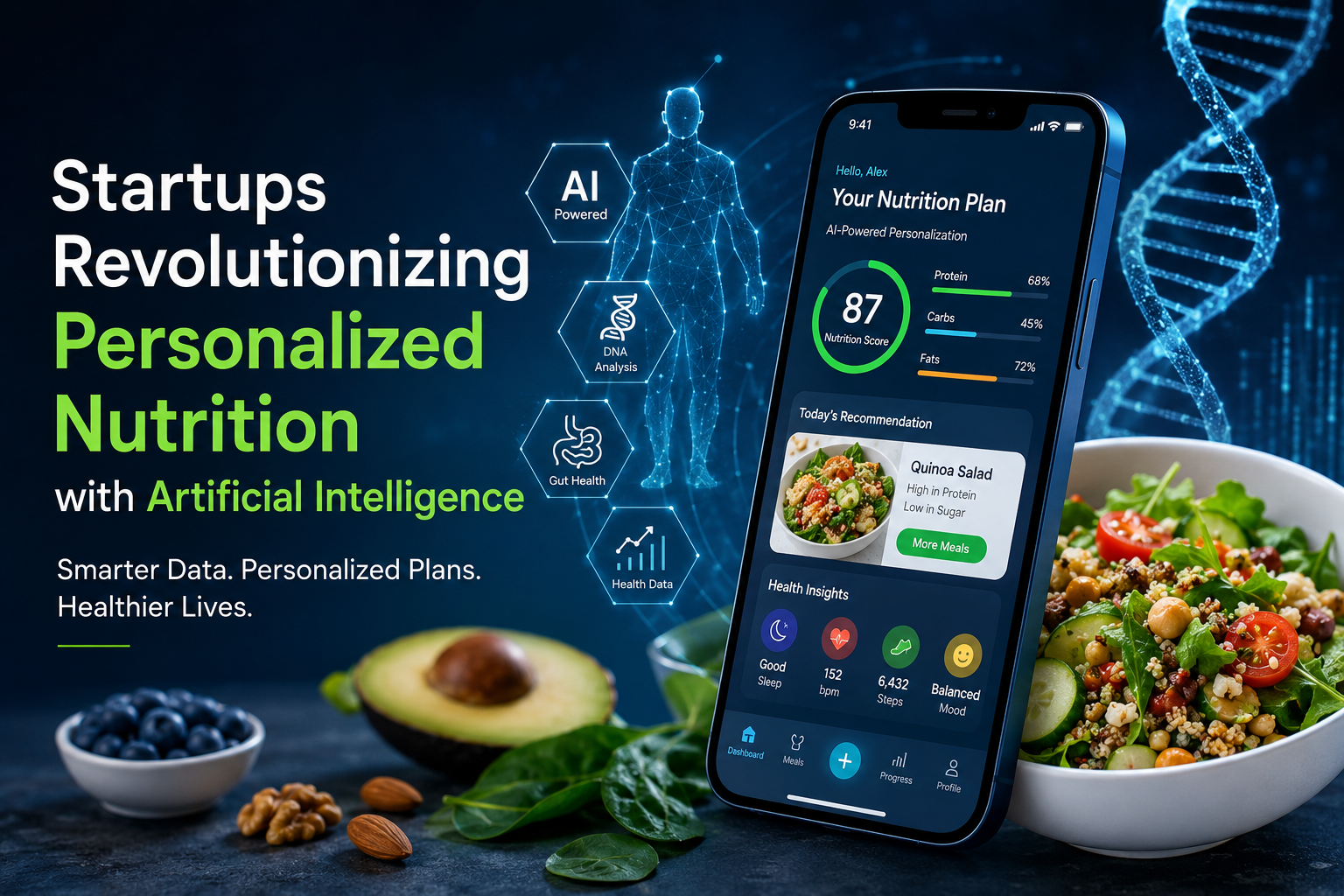
Artificial intelligence is transforming healthcare at an unprecedented pace, and one of the fastest-growing segments is personalized nutrition. Traditional diet plans often follow a “one-size-fits-all” approach, but scientific research increasingly shows that individuals respond differently to the same foods based on genetics, metabolism, gut microbiome, lifestyle, and health conditions. This is where AI-powered nutrition startups are creating major disruption.
By combining machine learning, wearable technology, biometric data, and nutritional science, these startups are helping people make smarter food choices tailored specifically to their bodies. From customized meal recommendations to real-time glucose monitoring and predictive health analytics, AI-driven nutrition platforms are redefining wellness for consumers worldwide.
The global personalized nutrition market is expected to grow rapidly over the next decade as health-conscious consumers seek data-driven solutions for weight management, disease prevention, fitness optimization, and longevity. Investors are also paying close attention, pouring billions into health-tech startups that promise scalable, personalized healthcare solutions.
This article explores how startups are revolutionizing personalized nutrition using artificial intelligence, the technologies driving this transformation, major industry players, benefits, challenges, and what the future may look like.
The Rise of Personalized Nutrition
For decades, nutrition advice was largely generalized. Governments and health organizations provided broad dietary guidelines intended for entire populations. While these recommendations offered useful foundations, they often failed to account for biological individuality.
Recent advancements in biotechnology and data science have changed this landscape. Researchers discovered that factors such as:
- DNA variations
- Gut microbiome composition
- Sleep patterns
- Physical activity
- Stress levels
- Blood sugar response
- Hormonal balance
all influence how the body processes food.
Artificial intelligence can analyse these complex datasets much faster and more accurately than traditional methods. As a result, nutrition is becoming highly personalized.
Consumers now expect customized health recommendations similar to personalized experiences offered by streaming platforms and e-commerce companies. AI nutrition startups are meeting this demand by creating intelligent systems that adapt dietary guidance in real time.
How AI Powers Personalized Nutrition
AI-powered nutrition platforms use several advanced technologies to deliver tailored recommendations.
1. Machine Learning Algorithms
Machine learning models analyse large amounts of health data to identify patterns and predict nutritional outcomes. These systems continuously improve as they process more information from users.
For example, AI can predict how an individual’s blood sugar may react after eating certain foods and recommend healthier alternatives.
2. Wearable Devices and Health Tracking
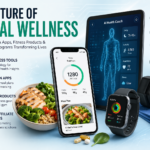
Many startups integrate wearable devices such as smartwatches, fitness trackers, and glucose monitors. These devices collect real-time data including:
- Heart rate
- Physical activity
- Sleep quality
- Calories burned
- Blood glucose levels
AI systems use this information to provide dynamic nutrition recommendations throughout the day.
3. DNA-Based Nutrition
Some startups offer genetic testing kits that analyse how a person metabolizes nutrients, caffeine, fats, and carbohydrates. AI interprets the genetic data and creates customized meal plans aligned with the individual’s biology.
This field, known as nutrigenomics, is becoming increasingly popular in premium wellness markets.
4. Gut Microbiome Analysis
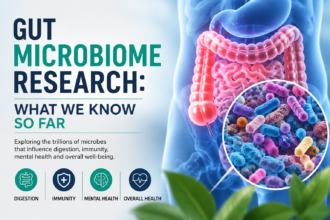
The gut microbiome contains trillions of bacteria that influence digestion, immunity, and mental health. AI-driven microbiome analysis helps identify foods that support healthier gut bacteria.
Companies use stool testing combined with AI models to recommend diets that improve digestive and metabolic health.
5. Predictive Analytics
AI can identify early warning signs of nutritional deficiencies or chronic diseases before symptoms appear. Predictive analytics may help users reduce long-term health risks through preventive dietary adjustments.
Leading Startups Transforming Personalized Nutrition
1. ZOE
ZOE is one of the most recognized startups in personalized nutrition. The company combines AI, microbiome testing, and blood sugar monitoring to provide individualized dietary recommendations.
Users complete at-home tests that measure gut bacteria and glucose responses. AI then analyses the results to determine which foods work best for each person.
ZOE gained significant international attention through collaborations with scientists from leading universities and its large-scale nutrition studies.
Key Innovation:
- Personalized food scores based on metabolic responses
- Continuous AI-driven dietary recommendations
- Strong scientific research foundation
2. Levels
Levels focus on metabolic health using continuous glucose monitoring (CGM) technology. The platform tracks how foods affect blood sugar levels in real time.
AI algorithms analyse glucose data and help users optimize nutrition to improve energy, weight management, and overall health.
Key Innovation:
- Real-time metabolic tracking
- AI insights for blood sugar optimization
- Integration with wearable devices
3. Nutrigenomix
Nutrigenomix specializes in genetic-based nutrition recommendations. Founded by researchers in nutritional genomics, the company provides DNA testing services that help users understand their unique nutritional needs.
The AI system interprets genetic markers related to vitamin absorption, food sensitivities, and metabolism.
Key Innovation:
- DNA-driven nutrition plans
- Personalized supplement guidance
- Precision nutrition analytics
4. Viome
Viome uses artificial intelligence and RNA sequencing technology to analyse the gut microbiome and cellular health.
The company generates personalized food recommendations designed to reduce inflammation and improve long-term wellness.
Key Innovation:
- Advanced microbiome analysis
- AI-generated precision nutrition plans
- Focus on chronic disease prevention
5. Noom
Although widely known as a weight-loss app, Noom heavily uses AI and behavioural psychology to personalize nutrition coaching.
The platform analyses user habits, eating behaviours, and lifestyle patterns to create adaptive wellness plans.
Key Innovation:
- AI-based behaviour change models
- Psychological approach to nutrition
- Personalized coaching systems
Benefits of AI-Powered Personalized Nutrition
Better Health Outcomes
Personalized nutrition can improve weight management, blood sugar control, digestive health, and cardiovascular wellness by aligning recommendations with individual biology.
Preventive Healthcare
AI helps identify potential health risks early, allowing users to make dietary changes before serious medical conditions develop.
Preventive healthcare is becoming a major focus globally due to rising healthcare costs.
Improved User Engagement
Customized recommendations feel more relevant than generic advice. This increases user motivation and long-term adherence to healthy eating habits.
Data-Driven Decision Making
Consumers gain measurable insights into how their bodies react to foods instead of relying on assumptions or trends.
Scalability
AI enables startups to provide personalized recommendations to millions of users without requiring large teams of nutritionists.
This scalability makes personalized healthcare more accessible and affordable.
Challenges Facing AI Nutrition Startups
Despite rapid growth, the industry still faces several important challenges.
Data Privacy Concerns
Nutrition platforms collect highly sensitive health data, including genetic information and biometrics. Consumers are increasingly concerned about how companies store and use this data.
Strict compliance with privacy regulations such as GDPR and HIPAA is essential.
Scientific Accuracy
Not all AI nutrition recommendations are equally reliable. Some startups face criticism for making health claims without sufficient scientific evidence.
Maintaining clinical validation and transparency remains critical for long-term trust.
High Costs
Advanced testing kits, glucose monitors, and DNA analysis can be expensive, limiting accessibility for some consumers.
However, costs are gradually decreasing as technology becomes more mainstream.
Regulatory Challenges
Governments and healthcare regulators are still developing frameworks for AI-powered wellness platforms. Startups must navigate evolving legal requirements carefully.
Investment Boom in Health-Tech Startups
Investors see personalized nutrition as one of the most promising sectors in digital health.
Several factors are driving investment growth:
- Rising chronic diseases globally
- Increased consumer focus on wellness
- Growing wearable technology adoption
- Expansion of telehealth services
- Demand for preventive healthcare solutions
Major venture capital firms and healthcare companies are investing heavily in AI nutrition startups because of their strong long-term market potential.
Industry analysts predict that personalized nutrition could become a multi-billion-dollar global market within the next decade.
The Future of AI in Personalized Nutrition
The future of personalized nutrition is likely to become even more advanced and integrated into daily life.
Hyper-Personalized Diet Systems
Future AI systems may combine:
- DNA analysis
- Real-time biomarkers
- Gut microbiome data
- Emotional health tracking
- Environmental factors
to generate highly precise nutrition guidance.
Smart Kitchens and AI Assistants
AI-powered kitchen devices may automatically recommend meals based on health goals, available ingredients, and metabolic data.
Voice assistants could eventually provide real-time dietary coaching during meal preparation.
Integration with Healthcare Systems
Doctors and healthcare providers may increasingly use AI nutrition platforms as part of preventive medicine programs.
Personalized dietary interventions could become standard practice for managing chronic diseases.
Longevity and Healthy Aging
AI nutrition startups are also entering the longevity market. Personalized dietary optimization may play a major role in extending health span and reducing age-related diseases.
This segment is attracting growing attention from biotech investors and wellness consumers.
Conclusion
Artificial intelligence is fundamentally changing the way people approach nutrition and wellness. Startups in personalized nutrition are leveraging machine learning, genetic testing, microbiome analysis, and wearable technology to deliver highly customized health recommendations.
Companies like ZOE, Viome, Levels, Nutrigenomix, and Noom are leading a new era of data-driven healthcare where nutrition is tailored to the unique biology of each individual.
While challenges related to privacy, regulation, and scientific validation remain, the long-term potential of AI-powered nutrition is enormous. As technology advances and healthcare shifts toward prevention rather than treatment, personalized nutrition may become a central pillar of global wellness strategies.
For consumers, this means more informed food choices, improved health outcomes, and a deeper understanding of how nutrition affects the body. For startups and investors, it represents one of the most exciting opportunities in the future of digital health.
The intersection of AI and nutrition is no longer a futuristic concept it is rapidly becoming a transformative force shaping the future of healthcare worldwide.