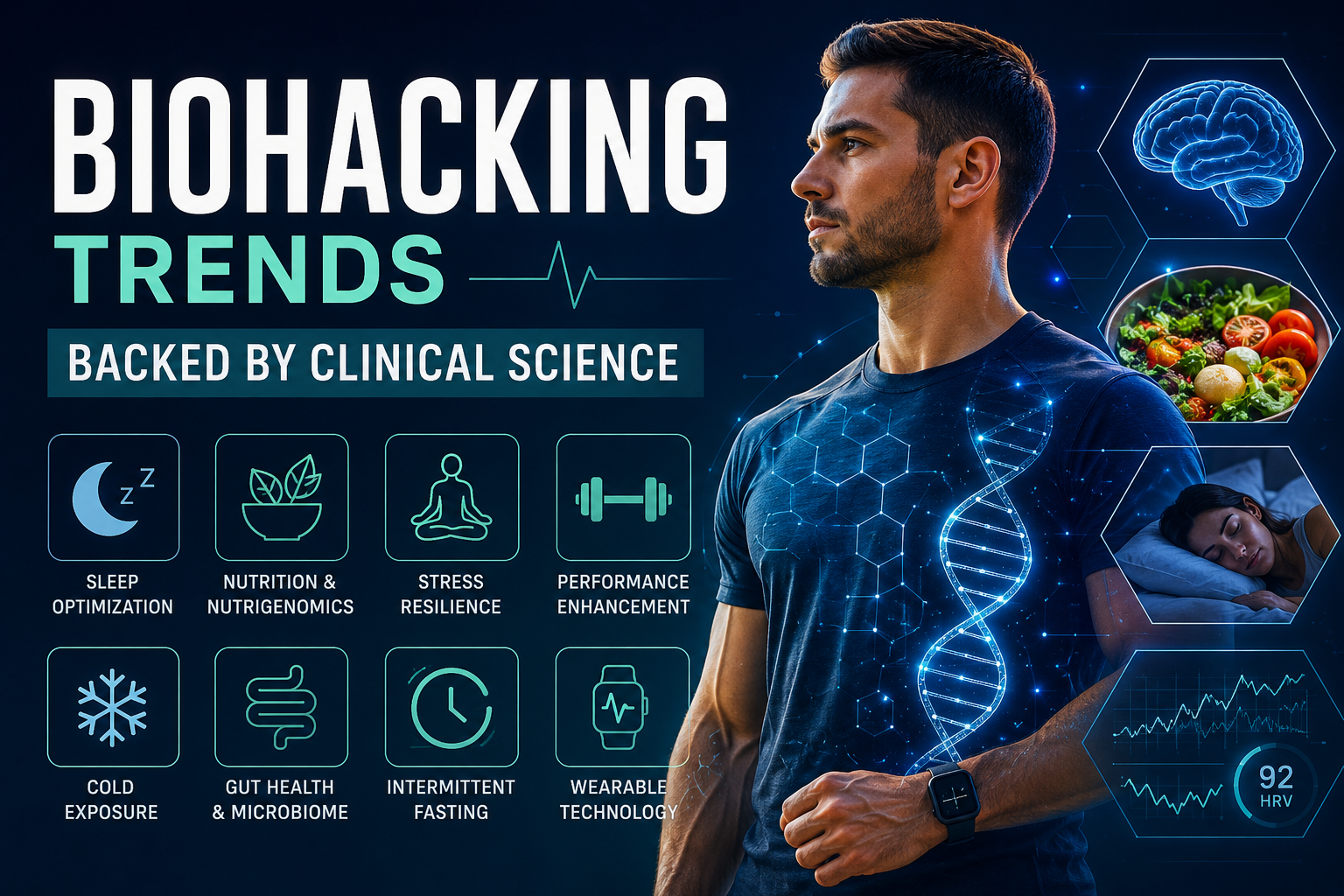
The term biohacking has evolved far beyond internet trends and Silicon Valley experimentation. In 2026, biohacking represents a growing intersection between preventive healthcare, personalized wellness, and evidence-based science. Millions of people across the United States, Europe, and Asia are using scientifically supported techniques to improve energy, cognition, sleep, metabolism, and longevity.
However, not every biohacking trend deserves attention. Some methods are backed by strong clinical research, while others rely heavily on anecdotal claims and marketing hype. The most effective bio hacks are those supported by peer-reviewed studies, measurable biomarkers, and long-term health outcomes.
This article explores the most important biohacking trends backed by clinical science and explains how they are reshaping modern health optimization.
What Is Biohacking?
Biohacking refers to intentional lifestyle, nutritional, technological, or environmental interventions designed to improve physical and mental performance. The goal is not merely survival, but optimization.
Modern biohacking focuses on:
- Enhancing cognitive performance
- Improving metabolic health
- Increasing longevity
- Optimizing sleep and recovery
- Reducing inflammation
- Supporting hormonal balance
- Strengthening resilience against chronic disease
Clinical science now supports several biohacking strategies once considered experimental.
1. Continuous Glucose Monitoring (CGM) for Metabolic Optimization
One of the fastest-growing evidence-based biohacking tools is the Continuous Glucose Monitor (CGM). Originally developed for diabetes management, CGMs are now widely used by healthy individuals seeking metabolic optimization.
How It Works
A small wearable sensor tracks blood glucose levels in real time throughout the day. Users can observe how specific foods, stress, sleep, and exercise affect blood sugar responses.
Clinical Evidence
Research shows that glucose spikes contribute to:
- Insulin resistance
- Chronic inflammation
- Energy crashes
- Increased hunger
- Higher long-term risk of obesity and type 2 diabetes
Studies published in Nature Metabolism and Cell Metabolism demonstrate that individuals respond differently to the same foods. Personalized glucose tracking allows more precise nutrition planning.
Why It Matters
CGM technology helps users:
- Identify problematic foods
- Improve energy stability
- Reduce cravings
- Enhance weight management
- Support long-term metabolic health
This represents a shift from generalized nutrition advice toward data-driven personalized health.
2. Sleep Optimization and Circadian Biohacking
Sleep has become one of the most clinically validated areas of biohacking. Researchers now recognize sleep as foundational to immunity, cognition, hormonal regulation, and longevity.
Key Trends
Modern sleep biohacking includes:
- Blue light reduction
- Circadian rhythm alignment
- Wearable sleep trackers
- Temperature-controlled sleep environments
- Magnesium supplementation
- Morning sunlight exposure
Scientific Backing
Clinical studies confirm that poor sleep increases the risk of:
- Cardiovascular disease
- Depression
- Obesity
- Cognitive decline
- Reduced immune function
A landmark study from the University of Chicago found that sleep deprivation significantly impairs insulin sensitivity, even in healthy adults.
Effective Evidence-Based Strategies
The most scientifically supported sleep interventions include:
Morning Sunlight Exposure
Exposure to natural light within 30 minutes of waking improves melatonin regulation and circadian rhythm synchronization.
Consistent Sleep Timing
Maintaining consistent sleep and wake times improves sleep quality more effectively than simply increasing total sleep hours.
Blue Light Management
Reducing screen exposure before bedtime helps preserve melatonin production.
Sleep optimization remains one of the highest-return bio hacks available today.
3. Cold Exposure Therapy
Cold exposure has gained mainstream popularity through ice baths, cold plunges, and cryotherapy. While some claims are exaggerated, clinical science supports several measurable benefits.
Potential Benefits
Research suggests cold exposure may:
- Improve mood
- Increase alertness
- Reduce inflammation
- Enhance recovery after exercise
- Activate brown fat metabolism
The Science Behind It
Cold exposure stimulates norepinephrine release; a neurotransmitter associated with focus and mood regulation. Studies also show temporary increases in metabolic activity and circulation.
A 2022 review in the International Journal of Circumpolar Health found that controlled cold exposure may improve stress resilience and immune response in some individuals.
Important Considerations
Cold therapy is not suitable for everyone. Individuals with cardiovascular conditions should consult healthcare professionals before engaging in intense cold exposure.
Short-duration cold showers or brief cold immersion protocols are generally considered safer entry points.
4. Personalized Nutrition and Nutrigenomics
The traditional “one-size-fits-all” diet model is rapidly being replaced by personalized nutrition.
What Is Nutrigenomics?
Nutrigenomics studies how genes influence responses to nutrients and dietary patterns.
Advancements in AI, wearable technology, and genetic testing allow nutrition recommendations tailored to:
- Metabolism
- Food sensitivities
- Insulin response
- Vitamin absorption
- Gut microbiome composition
Clinical Evidence
Research from Stanford University’s PREDICT studies demonstrates substantial variation in how individuals respond to identical meals.
For example:
- One person may experience a major glucose spike after eating rice
- Another may tolerate rice well but react poorly to bread
This variability explains why many generic diets fail.
The Future of Precision Nutrition
Clinically backed personalized nutrition may help:
- Reduce obesity risk
- Improve metabolic flexibility
- Lower inflammation
- Optimize athletic performance
- Support healthy aging
AI-powered nutrition platforms are expected to become a major component of preventive healthcare systems globally.
5. Gut Microbiome Optimization
The human gut microbiome contains trillions of microorganisms that influence digestion, immunity, mood, and metabolism.
Scientific interest in gut health has exploded over the last decade.
Why the Gut Matters
Research links microbiome imbalances to:
- Depression and anxiety
- Obesity
- Autoimmune disorders
- Digestive diseases
- Chronic inflammation
The gut-brain connection has become one of the most important areas of modern medical research.
Evidence-Based Gut Health Strategies
Increased Fiber Intake
Clinical studies consistently show that dietary fiber supports microbial diversity and short-chain fatty acid production.
Fermented Foods
Foods like yogurt, kefir, kimchi, and sauerkraut may improve microbial balance.
Reduced Ultra-Processed Foods
Highly processed diets are associated with reduced microbial diversity and increased inflammatory markers.
Probiotic Supplementation
Certain strains show benefits for digestive health and immune support, though effectiveness varies.
Gut optimization is increasingly recognized as foundational to overall health and longevity.
6. Intermittent Fasting and Time-Restricted Eating
Intermittent fasting remains one of the most researched biohacking practices.
Common Approaches
Popular fasting protocols include:
- 16:8 fasting
- Alternate-day fasting
- Early time-restricted eating
Clinical Benefits
Studies suggest intermittent fasting may improve:
- Insulin sensitivity
- Weight management
- Cellular repair mechanisms
- Inflammatory markers
- Metabolic flexibility
Animal studies also show potential longevity benefits through activation of autophagy, a process that removes damaged cellular components.
What Science Says
Human evidence is strongest for:
- Weight control
- Metabolic health
- Blood sugar regulation
However, fasting is not appropriate for everyone, including some pregnant women, individuals with eating disorders, or those with certain medical conditions.
Balanced implementation remains essential.
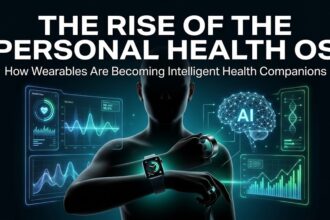
7. Wearable Health Technology
Wearables are transforming biohacking from subjective experimentation into measurable self-quantification.
Popular Biomarkers Tracked
Modern devices monitor:
- Heart rate variability (HRV)
- Sleep stages
- Blood oxygen levels
- Stress indicators
- Activity levels
- Recovery readiness
Why HRV Matters
Heart Rate Variability is increasingly used as a marker of nervous system balance and recovery capacity.
Higher HRV is generally associated with:
- Better cardiovascular fitness
- Improved stress resilience
- Enhanced recovery
Wearables help users make data-driven adjustments to sleep, exercise, and stress management routines.
Clinical Relevance
Healthcare systems are beginning to integrate wearable data into preventive care models, especially for chronic disease monitoring.
8. Cognitive Enhancement and Brain Health
Brain optimization remains a central focus of biohacking culture.
Scientifically Supported Cognitive Strategies
Exercise
Aerobic exercise consistently improves memory, mood, and neuroplasticity.
Omega-3 Fatty Acids
Clinical evidence supports omega-3s for brain function and inflammation reduction.
Meditation
Mindfulness practices show measurable effects on stress reduction, emotional regulation, and attention control.
Creatine Supplementation
Emerging evidence suggests creatine may support cognitive performance during sleep deprivation or mental fatigue.
The Nootropic Debate
Many commercial “brain-boosting” supplements lack sufficient evidence. Consumers should prioritize clinically validated interventions rather than marketing-driven products.
Risks and Ethical Concerns in Biohacking
Despite growing scientific support, biohacking also presents risks.
Common Concerns
- Misinformation on social media
- Excessive supplement use
- Unregulated experimental treatments
- Data privacy issues from health apps
- Unrealistic longevity claims
Not all trends are evidence-based, and some interventions may create harm when used improperly.
Responsible biohacking requires:
- Critical evaluation of scientific evidence
- Medical supervision when appropriate
- Long-term sustainability
- Focus on foundational health habits
The Future of Evidence-Based Biohacking
Biohacking is gradually moving from fringe wellness culture into mainstream healthcare innovation.
Several trends are expected to dominate the future:
- AI-driven health personalization
- Real-time biomarker monitoring
- Longevity-focused medicine
- Precision supplementation
- Predictive disease prevention
- Integration of wearable data into healthcare systems
As scientific understanding improves, biohacking may become a core component of preventive medicine rather than an alternative movement.
Conclusion
Biohacking is no longer limited to experimental self-optimization enthusiasts. In 2026, clinically supported biohacking strategies are helping people improve sleep, metabolic health, cognitive performance, and long-term wellness.
The most effective bio hacks are not extreme or futuristic. They are often rooted in simple, measurable, evidence-based practices such as:
- Optimizing sleep
- Managing blood sugar
- Improving gut health
- Exercising consistently
- Reducing chronic stress
- Personalizing nutrition
Technology has accelerated access to health data, but sustainable results still depend on scientifically grounded lifestyle habits.
As the global healthcare industry increasingly shifts toward prevention and personalization, evidence-based biohacking will likely play a major role in the future of human health optimization.