Aging is one of the few experiences every human being shares, yet the way people age can differ dramatically. Some individuals remain physically active, mentally sharp, and socially engaged well into their eighties and nineties, while others face chronic illnesses much earlier in life. Scientists have spent decades trying to understand why these differences exist, and the answer is becoming increasingly clear: while genetics play a role, lifestyle and environmental factors have an even greater influence on how we age.
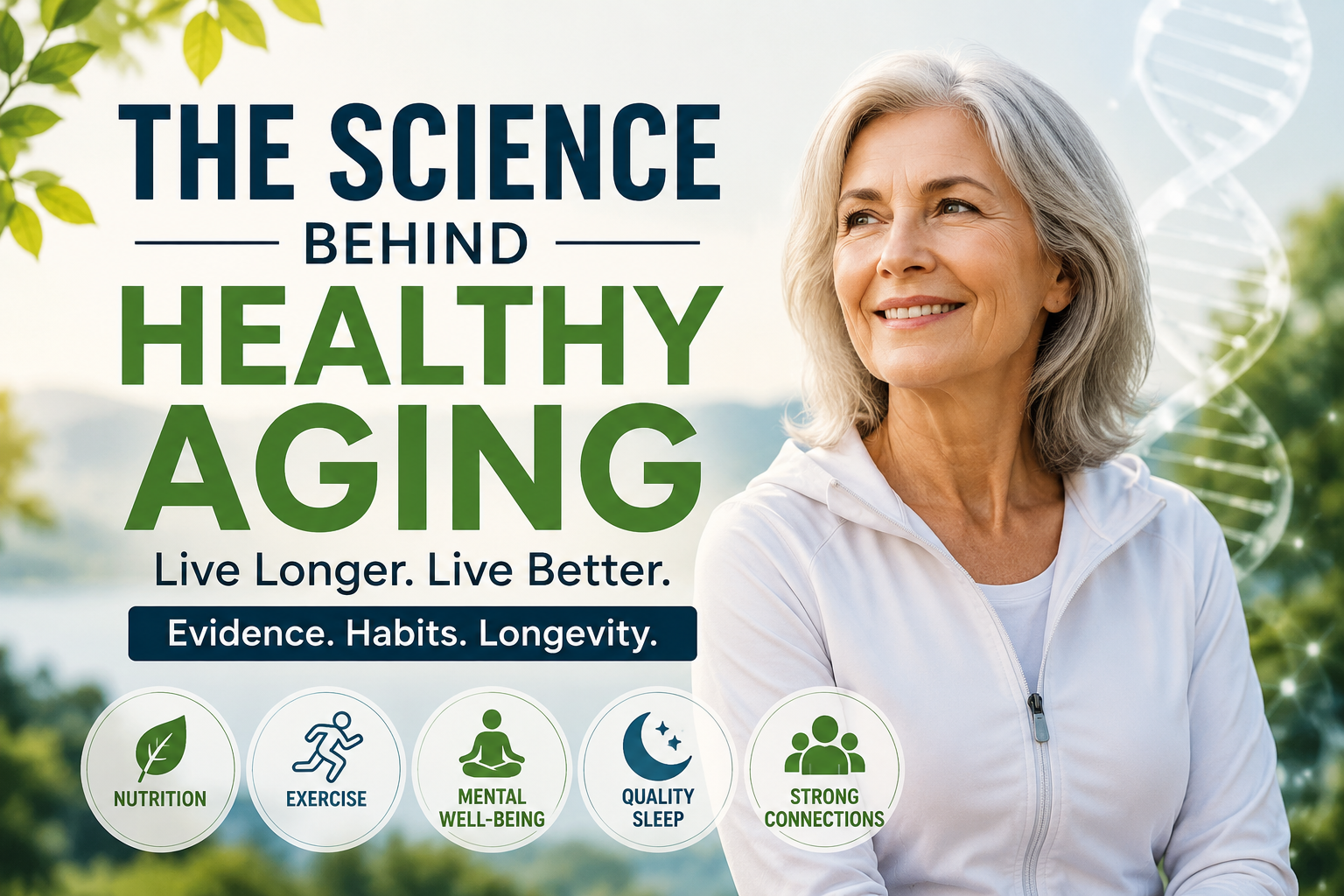
Healthy aging is no longer viewed as simply living longer. Instead, researchers and healthcare professionals focus on health span the number of years a person remains healthy, independent, and free from serious disease. Advances in medicine, nutrition, neuroscience, and genetics have revealed that many aspects of aging can be influenced through everyday choices. From regular physical activity and quality sleep to balanced nutrition and meaningful social connections, science continues to show that small, consistent habits can significantly improve long-term health.
Understanding the biology behind aging empowers people to make informed decisions rather than relying on myths or quick-fix solutions. As life expectancy continues to rise across the world, the conversation is shifting from adding years to life to adding life to those years.
Understanding the Biology of Aging
Aging is a natural biological process that affects every cell in the human body. Over time, cells accumulate damage caused by environmental factors, metabolism, and normal wear and tear. Although the body has sophisticated repair systems, these mechanisms gradually become less efficient as people grow older.
Scientists identify several biological hallmarks of aging, including DNA damage, chronic low-grade inflammation, mitochondrial dysfunction, and the gradual shortening of telomeres—the protective caps located at the ends of chromosomes. These changes contribute to declining muscle strength, slower healing, reduced immune function, and an increased risk of chronic diseases such as cardiovascular disease, diabetes, osteoporosis, and dementia.
However, aging does not occur at the same pace for everyone. Researchers now recognize that biological age can differ from chronological age. A person who is sixty years old may have the physical health of someone much younger depending on lifestyle, medical history, and environmental exposure.
This understanding has transformed aging research from simply treating age-related diseases to identifying ways of slowing the biological processes that contribute to them.
Nutrition: Fuelling the Body for Longevity
Nutrition remains one of the strongest predictors of healthy aging. Every meal provides the body with nutrients that either support or hinder cellular repair, immune function, and metabolic health.
Research consistently supports eating patterns rich in vegetables, fruits, legumes, whole grains, nuts, seeds, and healthy fats. These foods supply antioxidants that help protect cells from oxidative stress, a major contributor to aging.
Protein also becomes increasingly important with age. Muscle mass naturally declines over time through a process known as sarcopenia. Consuming adequate high-quality protein throughout the day helps preserve muscle strength, supports recovery, and maintains mobility.
Healthy fats, particularly those containing omega-3 fatty acids, contribute to heart health, brain function, and reduced inflammation. Meanwhile, limiting highly processed foods, excessive sugar, and trans fats lowers the risk of obesity, insulin resistance, and cardiovascular disease.
Hydration is another often-overlooked aspect of healthy aging. Older adults frequently experience reduced thirst sensation, making dehydration more common. Drinking enough water supports kidney function, cognitive performance, digestion, and temperature regulation.
Rather than following restrictive fad diets, nutrition experts increasingly recommend sustainable dietary patterns that emphasize variety, moderation, and whole foods over highly processed alternatives.
Physical Activity: The Closest Thing to an Anti-Aging Medicine
If scientists could prescribe a single intervention capable of improving nearly every aspect of health, regular physical activity would likely be at the top of the list.
Exercise strengthens the cardiovascular system, preserves muscle mass, improves insulin sensitivity, enhances mood, and supports brain health. It also reduces the risk of numerous age-related conditions including hypertension, osteoporosis, certain cancers, and depression.
Strength training deserves particular attention because muscle naturally decreases with age. Maintaining muscle helps improve balance, bone density, metabolic health, and independence later in life. Even individuals who begin resistance training in their sixties or seventies often experience measurable improvements in strength and mobility.
Aerobic activities such as walking, swimming, cycling, or jogging improve heart and lung function while increasing endurance. Flexibility exercises and balance training further reduce the likelihood of falls, one of the leading causes of injury among older adults.
Perhaps most importantly, regular movement reduces chronic inflammation throughout the body, which researchers increasingly recognize as a central driver of biological aging.
The best exercise program is not necessarily the most intense but the one that becomes a consistent part of daily life.
Sleep: The Body’s Natural Repair System
Sleep is one of the body’s most powerful recovery mechanisms, yet it is often sacrificed in modern lifestyles.
During sleep, the brain removes metabolic waste, consolidates memories, regulates hormones, and repairs damaged tissues. Poor sleep has been associated with higher risks of obesity, diabetes, cardiovascular disease, weakened immunity, depression, and cognitive decline.
Older adults may experience changes in sleep patterns, but maintaining consistent sleep habits remains essential. Creating a regular bedtime routine, limiting screen exposure before sleep, reducing caffeine intake late in the day, and maintaining a comfortable sleep environment can improve sleep quality.
Scientific evidence also suggests that adequate sleep helps regulate inflammation and supports healthy immune responses, making it an important pillar of healthy aging.
Rather than viewing sleep as unproductive time, researchers increasingly recognize it as one of the body’s most essential biological maintenance processes.
Brain Health and Lifelong Learning
The brain remains remarkably adaptable throughout life through a process called neuroplasticity. Contrary to earlier beliefs, adults continue forming new neural connections well into older age.
Keeping the brain active through learning, reading, solving puzzles, acquiring new skills, or speaking another language helps stimulate cognitive function. These activities strengthen neural networks and may help delay age-related cognitive decline.
Physical exercise also plays an important role in brain health by increasing blood flow and supporting the production of brain-derived neurotrophic factor (BDNF), a protein involved in learning and memory.
Social engagement further contributes to cognitive resilience. Conversations, volunteering, community involvement, and meaningful relationships provide continuous mental stimulation while supporting emotional well-being.
Although no single activity guarantees protection from dementia, maintaining both mental and physical activity throughout life appears to reduce overall risk.
Managing Stress and Protecting Mental Health
Stress is a normal part of life, but chronic stress accelerates many biological processes associated with aging.
Long-term elevation of stress hormones such as cortisol contributes to inflammation, weakened immunity, high blood pressure, disrupted sleep, and impaired memory. Over time, chronic stress may increase the likelihood of numerous age-related illnesses.
Scientists increasingly recommend evidence-based stress management strategies such as mindfulness meditation, breathing exercises, regular physical activity, spending time in nature, creative hobbies, and maintaining supportive relationships.
Mental health deserves equal attention. Depression and anxiety are not inevitable parts of aging, and early treatment significantly improves quality of life. Seeking professional support when needed is an important aspect of healthy aging rather than a sign of weakness.
Developing emotional resilience enables people to better navigate life’s inevitable changes while protecting both mental and physical health.
The Role of Preventive Healthcare
One of the most significant advances in modern medicine is the growing emphasis on prevention instead of treatment.
Regular health screenings allow healthcare providers to detect conditions before symptoms appear. Monitoring blood pressure, cholesterol, blood sugar, vision, hearing, and bone density helps identify potential problems early, when intervention is often most effective.
Vaccinations also remain important throughout adulthood. Immunity naturally weakens with age, making older adults more vulnerable to infectious diseases and their complications.
Routine medical visits provide opportunities to discuss nutrition, medications, exercise, mental health, and family history, allowing personalized strategies for maintaining long-term wellness.
Preventive care not only improves individual outcomes but also reduces healthcare costs by minimizing the need for complex treatments later.
Social Connections and Healthy Aging
Scientific research increasingly confirms that social relationships are essential for healthy aging.
Individuals with strong social networks often experience lower rates of depression, better immune function, improved cardiovascular health, and greater longevity. Positive relationships encourage healthier behaviours while providing emotional support during challenging times.
Loneliness, on the other hand, has emerged as a significant public health concern. Studies associate prolonged social isolation with increased risks of cognitive decline, heart disease, anxiety, and premature mortality.
Maintaining friendships, spending time with family, participating in community organizations, or volunteering all contribute to emotional well-being while promoting a sense of purpose.
Purpose itself appears to be a powerful predictor of healthy aging. People who remain engaged in meaningful activities frequently report higher life satisfaction and better overall health.
Can Science Slow Aging?
The field of longevity research has expanded rapidly over the past decade. Scientists are investigating therapies that target the biological mechanisms responsible for aging rather than individual diseases.
Areas of active research include senolytic drugs that remove damaged cells, regenerative medicine using stem cells, gene editing technologies, personalized nutrition based on genetics, artificial intelligence for early disease detection, and medications designed to improve cellular health.
Although many of these innovations remain under investigation, experts caution against viewing them as miracle solutions. Most proven strategies for healthy aging continue to involve established lifestyle habits including nutritious eating, regular exercise, quality sleep, stress management, and preventive healthcare.
Future medical breakthroughs may further extend health span, but they are likely to complement not replace the fundamentals of healthy living.
Common Myths About Aging
Many misconceptions about aging persist despite scientific evidence. One of the most common myths is that physical decline is unavoidable. While certain biological changes naturally occur, many declines previously attributed to aging actually result from inactivity, poor nutrition, or untreated medical conditions.
Another misconception is that older adults cannot build muscle. Research consistently demonstrates that resistance training increases strength and muscle mass at nearly any age when performed safely.
Similarly, cognitive decline is not inevitable. Although some changes in memory are normal, lifelong learning, physical activity, social engagement, and cardiovascular health all contribute to maintaining cognitive function.
Recognizing these myths helps shift the focus from accepting decline to actively promoting healthier aging.
Looking Ahead
Healthy aging is not determined by a single supplement, exercise routine, or medical breakthrough. Instead, it reflects the cumulative impact of everyday decisions made over many years.
Science continues to reinforce a hopeful message: while no one can stop the passage of time, many of the factors that influence aging remain within human control. Eating a nutrient-rich diet, staying physically active, prioritizing sleep, managing stress, nurturing relationships, and embracing preventive healthcare collectively create the foundation for a longer and healthier life.
As researchers continue unlocking the biology of aging, one principle remains remarkably consistent. Healthy aging is less about chasing youth and more about preserving strength, resilience, independence, and quality of life. By adopting evidence-based habits today, individuals can increase their chances of enjoying not only a longer lifespan but also a healthier and more fulfilling future.