
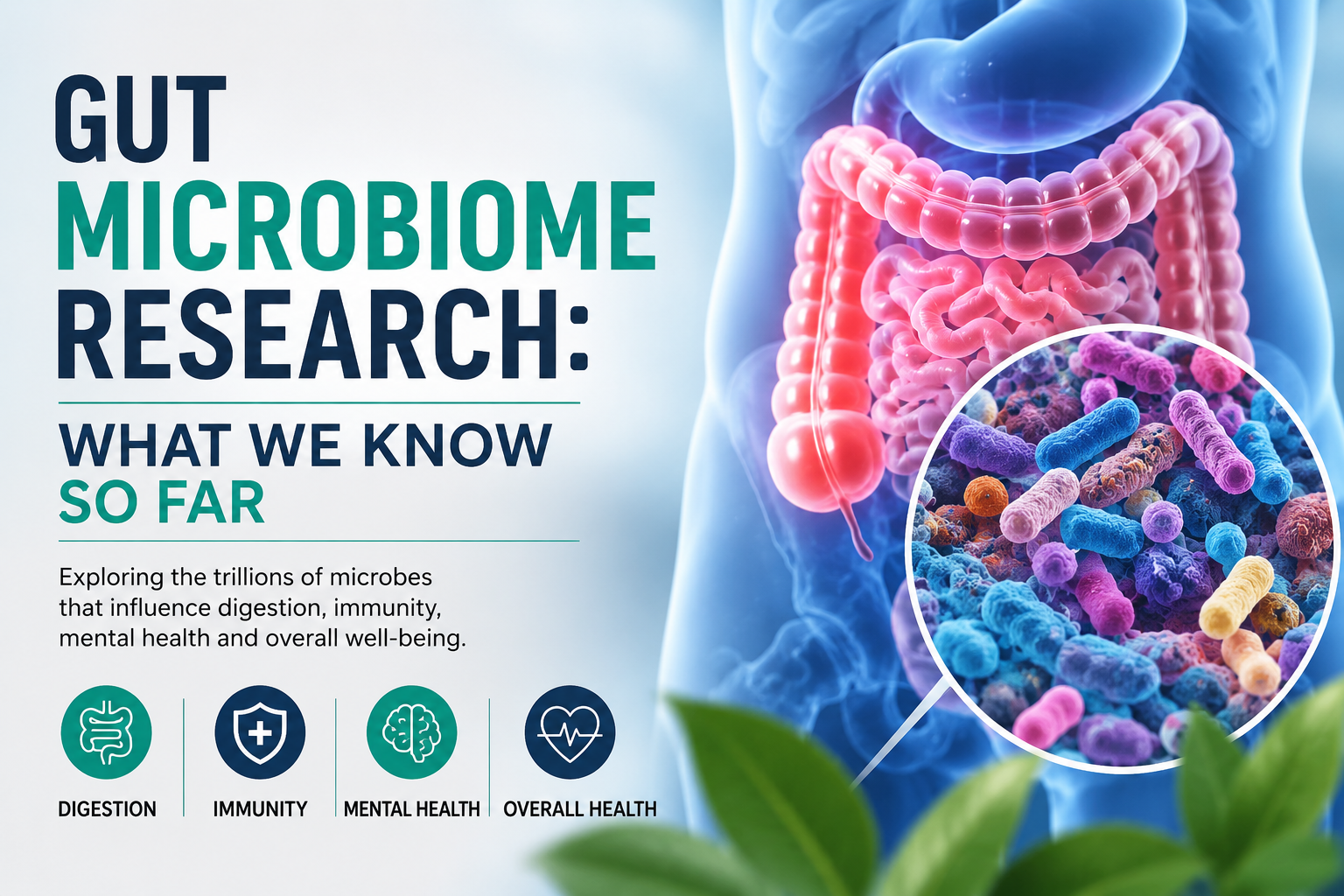
Over the past decade, the gut microbiome has evolved from a niche scientific topic into one of the most exciting areas of medical research. Scientists have discovered that the trillions of microorganisms living inside the human digestive tract are far more than passive residents. They actively participate in digestion, help regulate the immune system, produce essential nutrients, influence metabolism, and even communicate with the brain. As research continues to expand, the gut microbiome is reshaping our understanding of human health and disease.
Although many findings are promising, experts also caution against oversimplifying the science. Social media often portrays the microbiome as a cure-all, but the reality is more nuanced. Researchers are uncovering remarkable connections between gut bacteria and various aspects of health, yet many questions remain unanswered. Understanding what has been firmly established and what is still being investigated—is essential for making informed health decisions.
What Is the Gut Microbiome?
The gut microbiome refers to the vast community of microorganisms that live primarily in the large intestine. This ecosystem includes bacteria, fungi, viruses, and other microscopic organisms that coexist with the human body. While the idea of trillions of microbes living inside us may sound alarming, most of these organisms perform beneficial functions and are essential for maintaining good health.
Every individual has a unique gut microbiome shaped by genetics, age, environment, diet, medications, lifestyle, and even birth method. Babies born vaginally, for example, are exposed to different microbes than those delivered by caesarean section. As people grow older, their microbiome continues to evolve in response to dietary habits, illnesses, antibiotic use, stress, and other environmental factors.
Scientists often describe the microbiome as an invisible organ because of the enormous influence it has on biological processes throughout the body. Instead of acting independently, these microorganisms constantly interact with human cells, creating a highly dynamic relationship that affects multiple body systems.
Why Scientists Are Paying So Much Attention to the Gut Microbiome
Interest in microbiome research has grown rapidly because scientists are discovering associations between gut bacteria and an expanding range of medical conditions. Earlier research focused primarily on digestive disorders, but modern studies suggest the microbiome may influence cardiovascular health, metabolic diseases, neurological disorders, immune function, allergies, and mental well-being.
Advances in DNA sequencing technology have played a significant role in this progress. Researchers no longer need to grow bacteria in laboratory cultures to identify them. Instead, sophisticated genetic sequencing allows scientists to analyse entire microbial communities, revealing thousands of previously unknown species and providing a much clearer picture of how these ecosystems function.
This technological breakthrough has transformed microbiome science from basic observation into a rapidly developing field capable of uncovering complex biological relationships.
The Gut’s Essential Role in Digestion
The digestive system depends heavily on the microbiome to process foods that the human body cannot digest on its own. Many dietary fibres pass through the stomach and small intestine relatively unchanged before reaching the colon, where beneficial bacteria ferment them into compounds known as short-chain fatty acids.
These compounds provide energy for cells lining the colon, help maintain the intestinal barrier, and support a healthy inflammatory response. They also contribute to overall digestive efficiency and may influence metabolic health throughout the body.
The microbiome also assists in synthesizing certain vitamins, including vitamin K and several B vitamins, while helping the body absorb nutrients more efficiently. Healthy gut bacteria further protect against harmful microorganisms by competing for nutrients and attachment sites within the digestive tract, reducing opportunities for disease-causing microbes to thrive.
When this balance is disrupted a condition commonly referred to as dysbiosis people may experience digestive discomfort such as bloating, constipation, diarrhoea, or increased intestinal inflammation. However, researchers emphasize that dysbiosis is not always the direct cause of disease and is often one factor among many.
The Gut-Brain Connection
One of the most fascinating discoveries in recent years is the existence of the gut-brain axis, a sophisticated communication network connecting the digestive system and the central nervous system. This two-way communication occurs through nerves, hormones, immune signalling molecules, and microbial metabolites.
Scientists have found that gut bacteria help produce neurotransmitters and other chemical messengers involved in regulating mood, stress responses, and cognitive function. While much attention has focused on serotonin, it is important to note that serotonin produced in the gut serves different functions from serotonin acting within the brain. Nevertheless, ongoing research suggests that gut microbes may indirectly influence brain activity through several interconnected pathways.
Animal studies have demonstrated striking behavioral changes following alterations in gut bacteria. Human research has also identified associations between microbiome composition and conditions such as anxiety, depression, and chronic stress. However, researchers continue to investigate whether these microbial changes contribute to mental health conditions or simply occur alongside them.
Despite growing evidence supporting the gut-brain connection, experts caution that probiotics and dietary interventions should not be viewed as replacements for established mental health treatments. The relationship remains an active area of scientific investigation rather than settled clinical practice.
How the Gut Microbiome Shapes the Immune System
Around 70% of the body’s immune cells are associated with the gastrointestinal tract, making the gut one of the most important centers for immune activity. This close relationship explains why researchers have become increasingly interested in understanding how the microbiome influences immunity.
Beneficial gut bacteria help train the immune system from infancy, teaching it to distinguish between harmless substances and genuine threats such as viruses and harmful bacteria. A healthy microbiome also strengthens the intestinal lining, which acts as a protective barrier preventing toxins and disease-causing microorganisms from entering the bloodstream.
When this barrier is compromised, unwanted substances may pass through more easily, potentially triggering inflammation. While inflammation is a normal part of the body’s defense mechanism, chronic low-grade inflammation has been linked to a variety of health conditions, including autoimmune diseases, cardiovascular disease, and metabolic disorders.
Scientists are currently exploring whether restoring microbial balance could help reduce inflammation and improve outcomes for certain immune-related conditions. Although early findings are promising, more large-scale clinical studies are needed before these approaches become standard medical practice.
The Link Between Gut Health and Metabolic Diseases
Another major area of microbiome research focuses on metabolic health. Researchers have observed that individuals with obesity, type 2 diabetes, and metabolic syndrome often have gut microbial communities that differ from those of metabolically healthy individuals.
The reasons for these differences are complex. Certain bacteria appear to influence how efficiently the body extracts energy from food, while others affect insulin sensitivity, fat storage, and appetite-regulating hormones. These discoveries suggest that gut microbes may play an active role in metabolism rather than simply reflecting dietary habits.
Studies involving dietary interventions have shown that increasing fiber intake and consuming a diverse range of plant-based foods can positively influence microbial diversity. Greater microbial diversity is generally considered a marker of a healthier gut ecosystem, although researchers continue to investigate which specific bacterial species provide the greatest health benefits.
Despite encouraging evidence, scientists emphasize that no single “ideal” microbiome exists. What constitutes a healthy microbiome varies from person to person, making personalized nutrition an important future direction for research.
Can Gut Bacteria Influence Heart Health?
Heart disease has traditionally been associated with factors such as cholesterol levels, blood pressure, smoking, and physical activity. However, microbiome research has introduced another possible contributor to cardiovascular health.
Certain gut bacteria produce compounds during the digestion of foods rich in choline and carnitine, nutrients commonly found in red meat, eggs, and some dairy products. One of these compounds, known as trimethylamine N-oxide (TMAO), has been associated in several studies with an increased risk of cardiovascular disease.
Researchers are investigating whether modifying gut bacteria could reduce TMAO production and potentially lower cardiovascular risk. While these findings are scientifically significant, experts stress that heart health depends on many interconnected factors, including genetics, diet, exercise, and overall lifestyle. The microbiome represents one piece of a much larger puzzle rather than a single determining factor.
Gut Microbiome Research and Chronic Diseases
Scientists are also exploring possible connections between the microbiome and several chronic diseases beyond digestion and metabolism. Early research has identified associations with inflammatory bowel disease, colorectal cancer, allergies, asthma, liver disease, and certain neurological disorders.
In cancer research, investigators are examining how gut bacteria may influence responses to immunotherapy, one of the fastest-growing areas of cancer treatment. Some studies suggest that patients with more diverse gut microbiomes respond better to certain immunotherapy drugs, although these findings require further confirmation before influencing routine clinical care.
Researchers are also studying whether carefully selected microbial therapies could eventually complement existing treatments for chronic illnesses. While these possibilities are exciting, they remain under active investigation, and no universal microbiome-based treatment currently exists for these conditions.
What Current Research Has Clearly Established
Despite the rapid pace of discovery, several conclusions are now widely supported by scientific evidence.
First, the gut microbiome plays an essential role in digestion and nutrient metabolism. Second, it contributes significantly to immune system development and regulation. Third, the gut and brain communicate through multiple biological pathways, influencing each other in complex ways. Finally, diet has a profound impact on the composition and diversity of gut microbes.
Researchers also agree that excessive use of antibiotics can disrupt microbial balance, sometimes leading to long-lasting changes in the gut ecosystem. This is why healthcare professionals recommend using antibiotics only when medically necessary.
Perhaps the most important lesson from current research is that maintaining a diverse and balanced microbiome appears to support overall health. However, scientists are still working to determine exactly which microbial combinations provide the greatest benefits for different individuals.
What Scientists Still Don’t Know
Although microbiome science has advanced dramatically, many important questions remain unanswered. One of the biggest challenges is distinguishing correlation from causation. In many studies, researchers observe differences in gut bacteria between healthy individuals and those with certain diseases. However, it is often difficult to determine whether microbial changes contribute to disease development or simply result from the disease itself.
Another unanswered question concerns personalized treatments. Because every person’s microbiome is unique, therapies that work well for one individual may produce different results in another. This complexity makes developing standardized microbiome-based treatments particularly challenging.
Researchers are also investigating the long-term effectiveness of probiotics, prebiotics, symbiotic, and faecal microbiota transplantation for a wider range of medical conditions. While some treatments have shown considerable promise, many still require rigorous clinical testing before widespread adoption.
Supporting a Healthy Gut Naturally
Although scientists continue to study the microbiome, several evidence-based lifestyle habits consistently support gut health.
A diet rich in fruits, vegetables, legumes, whole grains, nuts, seeds, and other fibre-rich foods provides beneficial bacteria with the nutrients they need to thrive. Fermented foods such as yogurt, kefir, kimchi, sauerkraut, and miso may also contribute helpful microorganisms, although their effects vary between individuals.
Regular physical activity, adequate sleep, effective stress management, and avoiding unnecessary antibiotic use all contribute to maintaining a healthy microbial balance. Rather than focusing on expensive supplements or trendy “gut cleanses,” most experts recommend building long-term healthy lifestyle habits that naturally support microbial diversity.
The Future of Gut Microbiome Research
The next decade is expected to bring significant advances in microbiome science. Researchers are developing personalized nutrition programs based on individual microbial profiles, investigating next-generation probiotics designed for specific medical conditions, and exploring microbiome-targeted medications that could complement conventional treatments.
Artificial intelligence is also helping scientists analyse enormous microbiome datasets, identifying patterns that would have been impossible to detect just a few years ago. As precision medicine continues to evolve, healthcare providers may eventually use microbiome analysis to help predict disease risk, personalize treatments, and monitor patient outcomes.
Although much remains to be discovered, the microbiome is likely to become an increasingly important component of preventive healthcare and personalized medicine.
Conclusion
Gut microbiome research has fundamentally changed our understanding of human health. Rather than existing as isolated organisms, humans live in partnership with trillions of microorganisms that contribute to digestion, immunity, metabolism, and communication between the gut and the brain. These discoveries have opened exciting new possibilities for disease prevention and personalized healthcare.
At the same time, the science remains a work in progress. While many associations between gut bacteria and disease have been identified, researchers continue to investigate the precise mechanisms behind these relationships. Maintaining a balanced diet, leading an active lifestyle, managing stress, and supporting overall wellness remain the most reliable ways to promote a healthy microbiome while science continues to uncover its full potential.