For more than a decade, the automobile industry has been searching for the ultimate replacement for traditional petrol and diesel vehicles. Electric vehicles (EVs) have become the most visible solution, but another technology has quietly remained in the race: hydrogen-powered cars. Promoted as a clean alternative with fast refuelling times and long driving ranges, hydrogen vehicles have attracted attention from major automakers, governments, and energy companies around the world. However, despite years of development, hydrogen cars have not achieved the same consumer adoption as battery electric vehicles.
This raises a major question: Are hydrogen cars the future of transportation, or are they becoming another ambitious technology that failed to reach the mainstream market?
The answer is more complex than simply choosing between success and failure. Hydrogen technology has enormous potential, but it also faces significant challenges related to production, infrastructure, cost, and competition from rapidly improving electric vehicles.
What Are Hydrogen Cars and How Do They Work?
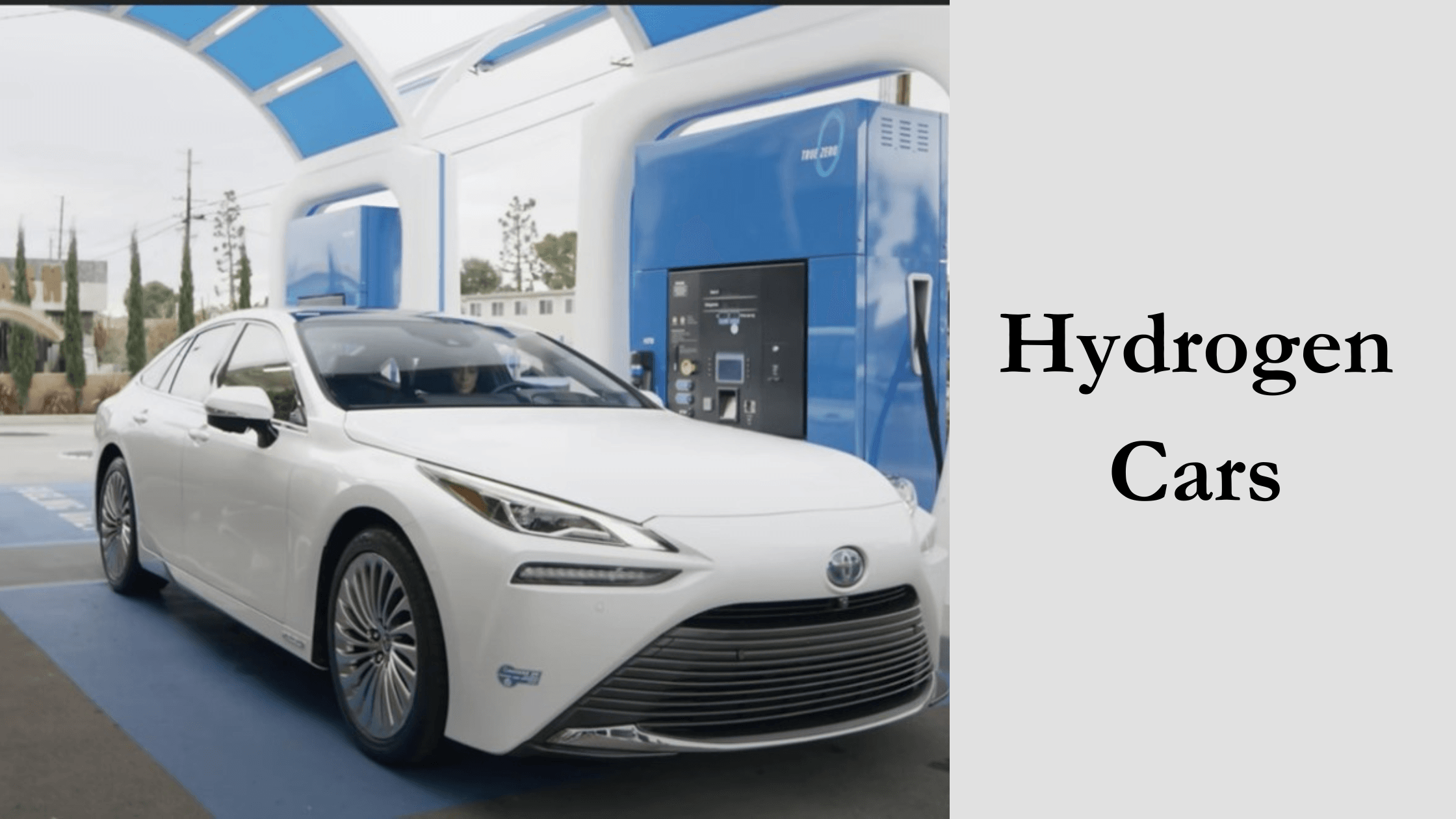
Hydrogen cars, also known as fuel cell electric vehicles (FCEVs), use hydrogen gas to generate electricity instead of storing energy in large batteries. Inside the vehicle, a fuel cell combines hydrogen with oxygen from the air to produce electricity. This electricity powers an electric motor that moves the vehicle, while the only direct emission from the exhaust is water vapor.
Unlike traditional electric cars that need to be charged using electricity stored in batteries, hydrogen vehicles are refuelled with hydrogen at specialized stations. The process is similar to filling a petrol or diesel vehicle, which means refuelling can take only a few minutes.
This technology makes hydrogen vehicles attractive because they combine some advantages of conventional cars with the environmental benefits of electric mobility. Drivers get quick refuelling, longer ranges, and a familiar experience without depending on long charging times.
Why Hydrogen Cars Were Considered the Future
When hydrogen vehicles first gained attention, many experts believed they could become the next major revolution in transportation. The biggest reason was convenience. Battery electric vehicles require charging infrastructure, and charging times can still be a concern for long-distance travel. Hydrogen cars appeared to solve this problem by offering faster refuelling and greater range.
For commercial transportation, hydrogen seemed even more promising. Large trucks, buses, ships, and even aircraft require massive amounts of energy. Carrying extremely large batteries can increase weight and reduce efficiency. Hydrogen, being lightweight and energy-dense, could provide a better solution for heavy transportation.
Several major automotive companies invested heavily in hydrogen technology. Toyota Motor Corporation became one of the strongest supporters of hydrogen mobility with the launch of the Toyota Mirai, a hydrogen fuel cell sedan designed for everyday consumers. Other companies such as Hyundai Motor Company also developed hydrogen-powered vehicles and commercial solutions.
The vision was clear: a future where vehicles produce zero harmful emissions, refuel quickly, and use a clean energy source.
The Biggest Challenge: Producing Clean Hydrogen
Although hydrogen cars produce no carbon emissions while driving, the environmental impact depends on how the hydrogen itself is produced.
Most hydrogen today is created using a process called steam methane reforming, which uses natural gas. This type of hydrogen production releases carbon emissions and is often called “grey hydrogen.” If hydrogen is produced this way, the overall environmental benefit becomes much smaller.
The cleaner alternative is “green hydrogen,” which is produced using renewable electricity to split water into hydrogen and oxygen through electrolysis. However, green hydrogen production is currently expensive and requires large amounts of renewable energy.
This creates a major challenge. A hydrogen vehicle may be clean on the road, but the entire supply chain must also become cleaner for the technology to achieve its full potential.
The Infrastructure Problem
One of the biggest reasons hydrogen cars have struggled is the lack of refuelling infrastructure. Electric vehicles can be charged at homes, workplaces, and public charging stations. Hydrogen vehicles depend on specialized hydrogen stations, which are expensive to build and maintain.
Countries that invested early in hydrogen infrastructure, such as Japan and parts of Europe, have developed some hydrogen networks, but coverage remains limited compared to petrol stations and EV charging points.
This creates a difficult cycle. Consumers hesitate to buy hydrogen cars because there are not enough stations, and companies hesitate to build more stations because there are not enough hydrogen vehicles on the road.
This same problem affected early electric vehicles, but EV charging infrastructure has expanded much faster due to falling battery costs and increasing consumer demand.
The Rise of Electric Vehicles Changed the Competition
The biggest challenge for hydrogen cars is not only their own limitations but also the rapid success of battery electric vehicles.
Companies like Tesla changed consumer expectations by making electric cars desirable, high-performance, and technologically advanced. Improvements in battery technology have increased driving ranges while reducing costs. Governments around the world have also supported EV adoption through incentives and regulations.
Today, electric vehicles are available across multiple categories, from affordable compact cars to luxury models and performance vehicles. The market has created a strong ecosystem of manufacturers, charging networks, and battery suppliers.
Hydrogen vehicles, meanwhile, remain limited to a small number of models and markets. For many consumers, choosing an EV feels easier because the technology is more visible and accessible.
Are Hydrogen Cars More Efficient Than EVs?
Energy efficiency is another major debate between hydrogen and battery electric vehicles.
In a battery electric vehicle, electricity directly charges the battery, which then powers the motor. In a hydrogen vehicle, electricity is first used to create hydrogen, then hydrogen is converted back into electricity inside the vehicle. Each conversion step causes energy losses.
Because of this, battery electric vehicles generally use energy more efficiently than hydrogen fuel cell vehicles for passenger cars.
However, efficiency is not the only factor. Hydrogen may still have advantages in areas where batteries are less practical, especially heavy transportation, long-distance trucking, industrial vehicles, and applications where fast refuelling is important.
Where Hydrogen Could Still Win
Declaring hydrogen a failure would be premature because the technology may not disappear; it may simply find a different role.
Passenger cars may increasingly move toward battery electric technology, but hydrogen could become important in sectors where batteries face limitations. Heavy trucks traveling long distances, shipping, aviation, and industrial operations require enormous energy storage solutions.
For example, a truck traveling hundreds of kilometres every day may benefit from hydrogen because it can carry less weight compared to a massive battery pack. Faster refuelling can also improve productivity for commercial fleets.
Many energy experts believe the future may not belong to one single technology. Instead, transportation could become a combination of battery electric vehicles, hydrogen vehicles, and other clean energy solutions depending on the application.
The Role of Governments and Automakers
Government policies will play a major role in deciding hydrogen’s future. Building hydrogen infrastructure, supporting clean hydrogen production, and reducing costs will require significant investment.
Countries such as Japan, South Korea, Germany, and others continue to explore hydrogen as part of their clean energy strategies. Automakers are also investing in research because transportation needs are different across regions and industries.
The automobile industry has experienced many technology shifts before. Some technologies disappear, while others find new opportunities. Hydrogen may not replace every petrol vehicle or every electric car, but it could become an important part of a broader clean mobility ecosystem.
Future Outlook: Revolution or Niche Technology?
The future of hydrogen cars depends on several factors: the cost of green hydrogen, infrastructure development, improvements in fuel cell technology, and the continued growth of electric vehicles.
For everyday passenger vehicles, hydrogen faces a difficult battle against EVs. Battery technology is advancing quickly, charging networks are expanding, and consumers are becoming more comfortable with electric cars.
However, hydrogen should not be considered a failed experiment. It represents a different approach to clean transportation, especially for industries where batteries may not be the most practical solution.
The most likely future is not a world dominated only by hydrogen or only by electric vehicles. Instead, different technologies will serve different purposes. Electric cars may become the preferred choice for many personal vehicles, while hydrogen could power heavy transportation and industrial mobility.
Hydrogen cars are not the future of every vehicle, but they may still be part of the future of transportation. The technology has moved from being a possible replacement for everything to becoming a specialized solution for the challenges that batteries cannot easily solve. Its success will depend not only on the cars themselves but on the entire clean energy system built around them.