The automobile industry is entering one of the biggest transformations in its history. For more than a century, cars have mainly been machines controlled by human drivers, but advancements in artificial intelligence, sensors, connectivity, and computing are changing that definition. Self-driving technology is no longer limited to science fiction; it has become one of the most competitive areas of innovation among global automobile and technology companies.
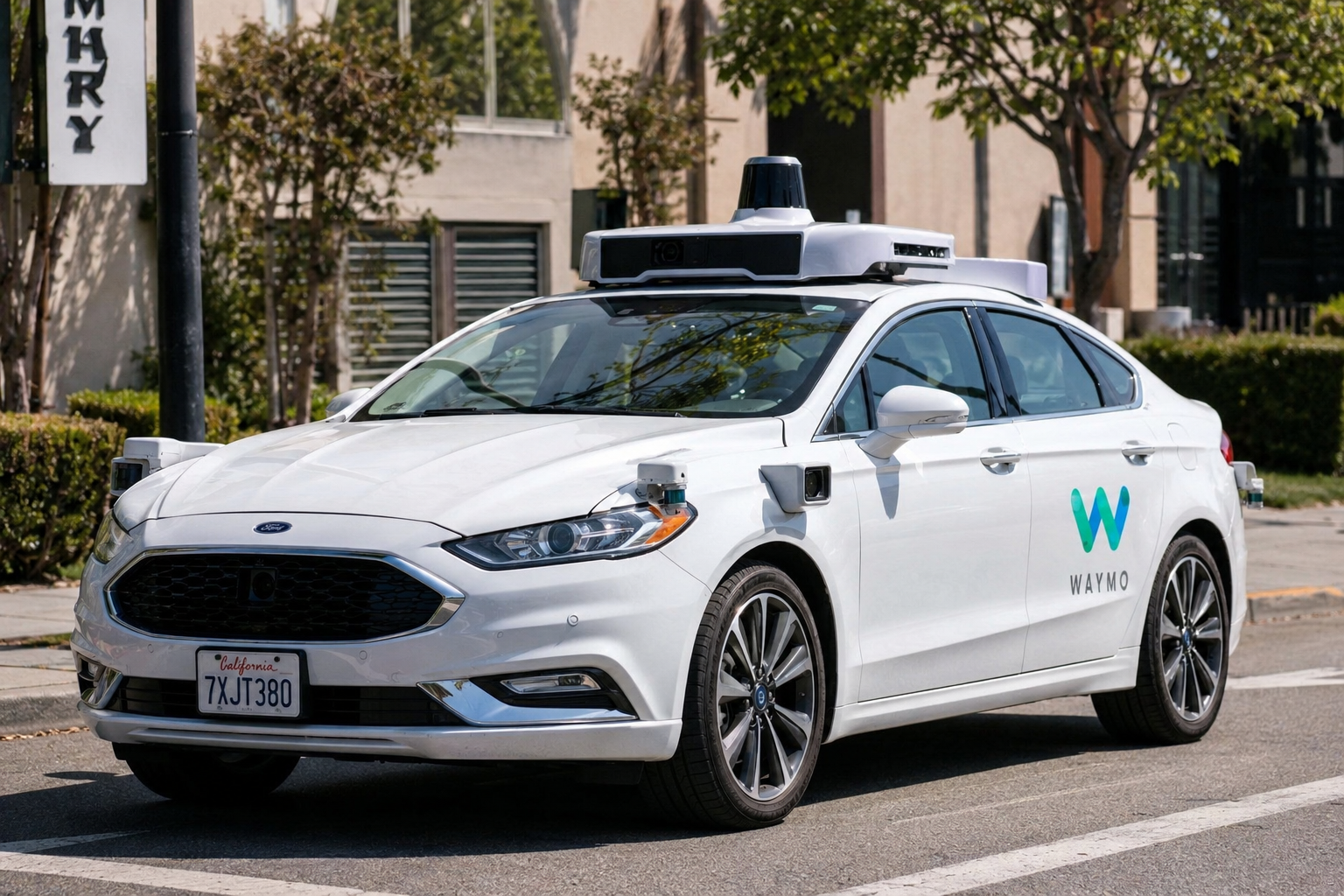
From luxury vehicles with advanced driver assistance systems to fully autonomous robotaxis being tested in major cities, self-driving technology is reshaping how people think about mobility. Companies such as Tesla, Waymo, Mercedes-Benz, BMW, and Toyota are investing billions into creating safer, smarter, and more efficient transportation systems.
Self-driving cars are not powered by one single invention. They rely on a combination of multiple technologies working together, allowing vehicles to understand their surroundings, make decisions, and respond to changing road conditions. Here are the top technologies driving the future of autonomous transportation.
1. Artificial Intelligence and Machine Learning
Artificial intelligence is the brain behind autonomous vehicles. Self-driving cars generate enormous amounts of data from cameras, sensors, and driving environments, and AI systems analyse this information to make real-time decisions.
Machine learning algorithms allow vehicles to improve over time by learning from millions of driving situations. For example, an autonomous car must understand the difference between a pedestrian crossing the road, a cyclist changing lanes, or an object lying on the highway. AI helps vehicles recognize patterns and predict possible actions before they happen.
Modern autonomous systems are trained using simulations and real-world driving data. Companies are creating digital environments where cars can experience millions of scenarios, including rare situations that may not happen frequently on real roads. This continuous learning process is making self-driving vehicles more intelligent and reliable.
2. LiDAR Technology
LiDAR, which stands for Light Detection and Ranging, is one of the most important sensing technologies in autonomous vehicles. It uses laser beams to create a detailed 3D map of the vehicle’s surroundings.
Unlike traditional cameras that rely on visual information, LiDAR can measure distances accurately and detect objects even in complex environments. It helps cars understand the shape, position, and movement of nearby vehicles, pedestrians, and obstacles.
Many autonomous vehicle developers use LiDAR because it provides precise environmental awareness. Although the technology has become more affordable over time, reducing cost while maintaining accuracy remains one of the biggest challenges for mass adoption.
3. Advanced Camera Vision Systems
Cameras are another essential component of self-driving technology. Multiple high-resolution cameras placed around a vehicle provide a 360-degree view of the environment.
Computer vision systems analyse camera images to identify traffic signs, lane markings, traffic lights, vehicles, and pedestrians. This technology allows cars to perform tasks such as lane keeping, automatic braking, and recognizing road conditions.
Companies like Tesla have focused heavily on camera-based autonomous driving systems, using neural networks to interpret visual information. The goal is to develop vehicles that can understand the road almost like a human driver, but with faster processing and constant awareness.
4. Radar Sensors
Radar technology has been used in vehicles for years, especially in adaptive cruise control and collision prevention systems. In autonomous vehicles, radar provides valuable information about the speed and distance of surrounding objects.
Radar works effectively in challenging conditions such as rain, fog, or darkness, where cameras may have limitations. It helps vehicles maintain safe distances, detect moving objects, and improve decision-making.
By combining radar with cameras and LiDAR, autonomous vehicles can create a more complete understanding of their environment. This combination of multiple sensors is known as sensor fusion.
5. Sensor Fusion Technology
A self-driving car cannot depend on one technology alone. Sensor fusion combines information from cameras, LiDAR, radar, GPS, and other systems to create a complete picture of the world around the vehicle.
For example, a camera may identify a pedestrian, while radar confirms the distance and movement speed. The AI system combines both pieces of information to decide whether the car should slow down or stop.
This technology is critical because real-world driving conditions are unpredictable. Multiple layers of information help autonomous vehicles make safer decisions and reduce the chances of errors.
6. High-Definition Mapping
Traditional maps are not enough for autonomous vehicles. Self-driving cars require extremely detailed maps that include information about roads, lanes, traffic signs, and even small environmental details.
High-definition maps help vehicles understand their location and plan routes more accurately. These maps work together with real-time sensor data to help cars navigate complex environments.
Autonomous driving companies are continuously updating these maps because roads constantly change due to construction, traffic patterns, and new infrastructure. Accurate mapping is one of the foundations of reliable autonomous transportation.
7. Vehicle-to-Everything (V2X) Communication
The future of autonomous driving will not only depend on cars communicating with their internal systems but also with the outside world. Vehicle-to-Everything communication allows vehicles to exchange information with other cars, traffic signals, and smart infrastructure.
For example, a connected traffic light could inform vehicles about upcoming changes, while cars could warn each other about accidents or road hazards ahead.
V2X technology has the potential to improve traffic flow, reduce accidents, and create smarter cities. As more vehicles become connected, transportation systems could become more coordinated and efficient.
8. Autonomous Driving Software Platforms
Software is becoming one of the most valuable parts of modern vehicles. Autonomous cars require advanced operating systems that manage sensors, navigation, decision-making, and safety features.
Automakers are shifting from traditional vehicle development toward software-driven models. Future cars will operate more like computers on wheels, receiving updates and improvements through software.
Companies are developing powerful platforms that allow vehicles to process massive amounts of data quickly. These systems are responsible for everything from recognizing objects to controlling acceleration, braking, and steering.
9. Advanced Driver Assistance Systems (ADAS)
Before fully autonomous vehicles become common, advanced driver assistance systems are acting as the bridge between traditional cars and self-driving technology.
Features such as automatic emergency braking, adaptive cruise control, lane assistance, blind-spot monitoring, and automated parking are already available in many modern vehicles.
ADAS technologies improve safety by reducing human errors, which are a major cause of road accidents. As these systems become more advanced, they will gradually increase the level of automation in everyday vehicles.
10. Autonomous Vehicle Simulation Technology
Testing self-driving cars on real roads alone is not enough. Simulation technology allows companies to test vehicles in millions of virtual driving situations.
A vehicle can be trained for extreme weather, unusual traffic conditions, and emergency scenarios without putting people at risk. These simulations help engineers improve autonomous systems faster.
Companies are using powerful computing systems to create realistic digital environments where vehicles can learn and improve before being deployed in the real world.
The Future of Self-Driving Transportation
Self-driving technology is expected to transform more than just personal vehicles. It could change public transportation, logistics, delivery services, and urban planning. Autonomous taxis, smart highways, and AI-powered delivery vehicles are already being explored around the world.
However, challenges remain, including safety regulations, cybersecurity risks, infrastructure development, and public trust. Creating vehicles that can handle every possible road situation is a complex engineering challenge.
The future of transportation will likely be a combination of human-driven and autonomous vehicles working together. As technology continues to advance, self-driving cars may become one of the most important innovations shaping the next generation of mobility.
The journey toward fully autonomous transportation is still developing, but the technologies behind it are already changing how the world moves.