Introduction
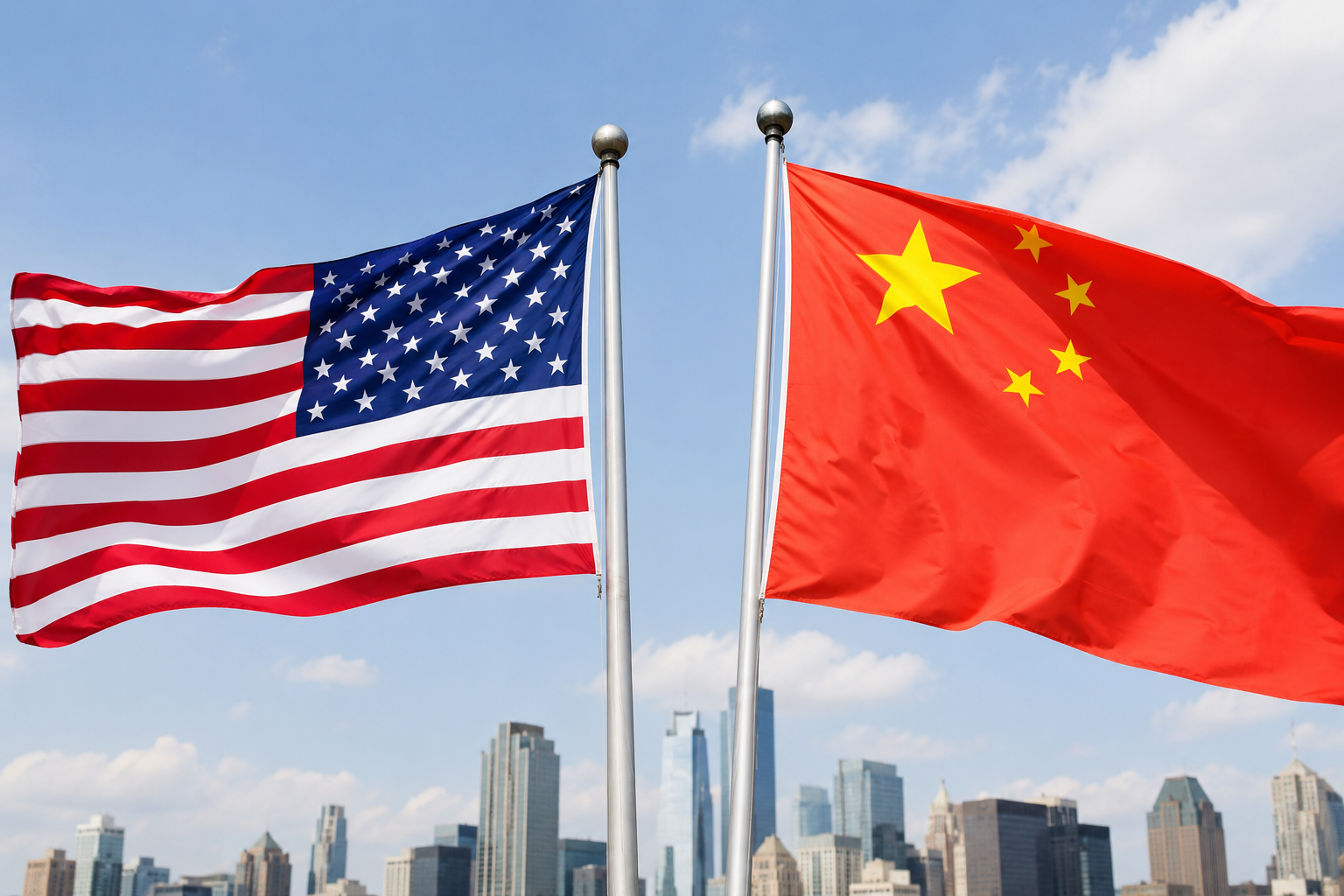
The relationship between the United States and China remains one of the most important factors shaping global politics, economics, and security in 2026. As the world’s two largest economies continue to compete for influence, their interactions affect everything from international trade and technological innovation to military strategy and financial markets.
Over the past decade, U.S.-China relations have undergone significant changes. What was once primarily an economic partnership has evolved into a complex mix of cooperation, competition, and strategic rivalry. While both countries remain deeply interconnected through trade and investment, disagreements over technology, national security, human rights, and regional influence continue to create tensions.
In 2026, four key areas define the future of U.S.-China relations: trade tensions, technology competition, Taiwan policy, and the broader impact on the global economy. Understanding these issues is essential for governments, businesses, investors, and citizens worldwide.
The Evolution of U.S.-China Relations
For decades, economic cooperation served as the foundation of U.S.-China relations. China’s integration into global markets helped fuel unprecedented economic growth, while American companies gained access to one of the world’s largest consumer markets.
However, growing concerns about trade imbalances, intellectual property protection, national security, and geopolitical influence have transformed the relationship. Today, Washington and Beijing increasingly view each other as strategic competitors, particularly in areas involving advanced technology, military capabilities, and global leadership.
Despite these challenges, both nations recognize that complete economic separation is neither practical nor beneficial. As a result, policymakers continue seeking ways to manage competition while avoiding direct confrontation.
Trade Tensions Continue to Shape Relations
Ongoing Economic Competition
Trade remains one of the most visible areas of tension between the United States and China. Although both countries continue to exchange hundreds of billions of dollars in goods annually, disagreements over market access, tariffs, subsidies, and industrial policies persist.
American officials frequently argue that Chinese industrial support programs create unfair advantages for domestic companies. Meanwhile, Chinese policymakers criticize restrictions placed on Chinese firms operating in foreign markets.
In 2026, trade disputes increasingly focus on strategic industries rather than traditional manufacturing sectors.
Supply Chain Diversification
One of the most significant developments in recent years has been the diversification of global supply chains. Many multinational companies are reducing dependence on a single manufacturing location by expanding operations into countries such as:
- India
- Vietnam
- Mexico
- Indonesia
- Malaysia
This trend, often referred to as “China Plus One,” aims to improve resilience against geopolitical disruptions while maintaining access to China’s manufacturing capabilities.
Strategic Trade Policies
Both nations continue implementing policies designed to protect critical industries and strengthen domestic production. These measures affect sectors including:
- Semiconductors
- Electric vehicles
- Renewable energy
- Artificial intelligence
- Telecommunications
As a result, trade relations increasingly intersect with national security considerations.
Technology Competition Intensifies
The Race for Technological Leadership
Technology has become the central battleground in U.S.-China competition. Leadership in advanced technologies is viewed as essential for economic growth, military strength, and global influence.
Key areas of competition include:
- Artificial Intelligence (AI)
- Semiconductors
- Quantum Computing
- Biotechnology
- Advanced Manufacturing
- Telecommunications Networks
- Cybersecurity
Both countries are investing billions of dollars to secure technological advantages.
Artificial Intelligence and Innovation
AI is emerging as one of the most strategically important technologies of the century. Governments view AI leadership as critical for economic productivity, defense capabilities, healthcare innovation, and industrial competitiveness.
The United States continues benefiting from its strong ecosystem of research universities, technology companies, and venture capital investment. Meanwhile, China is leveraging extensive government support and a vast digital economy to accelerate AI development.
Competition in AI extends beyond economic interests and increasingly influences national security planning.
Semiconductor Rivalry
Semiconductors remain at the heart of the technology competition.
Advanced chips power:
- Smartphones
- Data centers
- Military systems
- AI applications
- Autonomous vehicles
The United States has implemented export controls aimed at limiting China’s access to cutting-edge semiconductor technologies. In response, China has significantly increased investments in domestic chip manufacturing capabilities.
The outcome of this semiconductor race will likely influence global technological leadership for years to come.
Digital Infrastructure and Global Influence
The competition also extends to digital infrastructure projects worldwide. Both countries seek to shape international standards governing:
- Telecommunications
- Cloud computing
- Digital payments
- Cybersecurity
- Data governance
Developing nations often find themselves balancing relationships with both powers while pursuing their own technological development goals.
Taiwan Remains a Critical Issue
Strategic Importance of Taiwan
Taiwan remains one of the most sensitive and potentially destabilizing issues in U.S.-China relations.
China considers Taiwan part of its territory and continues advocating eventual reunification. Taiwan, however, maintains its own democratic government and economic system.
The United States follows a longstanding policy framework that supports regional stability while maintaining unofficial relations with Taiwan.
Military and Security Considerations
In recent years, military activity around the Taiwan Strait has increased significantly. Both Washington and Beijing continue strengthening their military capabilities and conducting exercises designed to demonstrate readiness.
While neither side publicly seeks conflict, concerns remain regarding:
- Military miscalculations
- Escalation risks
- Regional security dynamics
- Crisis management mechanisms
Preventing misunderstandings remains a key priority for policymakers.
Economic Importance of Taiwan
Taiwan plays a critical role in the global economy due to its leadership in semiconductor manufacturing.
Many industries depend on Taiwanese chip production, including:
- Consumer electronics
- Automotive manufacturing
- Artificial intelligence
- Telecommunications
- Defense systems
Any disruption affecting Taiwan could have significant consequences for global supply chains and economic stability.
Diplomatic Challenges
Managing Taiwan-related tensions requires careful diplomacy. Policymakers on all sides face the challenge of balancing security interests, political commitments, and regional stability.
The way Taiwan issues are handled in coming years will remain a major factor influencing the broader U.S.-China relationship.
The Global Economic Impact
Influence on Global Markets
Because the United States and China account for a substantial share of global economic output, developments in their relationship affect financial markets worldwide.
Investors closely monitor:
- Trade negotiations
- Technology regulations
- Security developments
- Economic growth forecasts
Changes in bilateral relations often influence stock markets, commodity prices, and investor confidence.
Effects on International Trade
Global businesses must increasingly navigate a more complex international environment.
Companies face challenges related to:
- Regulatory uncertainty
- Export controls
- Tariff policies
- Supply chain restructuring
- Compliance requirements
As geopolitical considerations become more important, firms are adapting their strategies to reduce exposure to potential disruptions.
Emerging Opportunities for Other Economies
Competition between the United States and China has created opportunities for other countries to attract investment and manufacturing activity.
Several emerging economies are benefiting from:
- Supply chain diversification
- Infrastructure investment
- Technology partnerships
- Increased foreign direct investment
Countries such as India, Vietnam, Indonesia, and Mexico are becoming increasingly important players in global production networks.
Global Economic Growth
Despite ongoing tensions, both nations continue contributing significantly to global economic growth.
Cooperation in areas such as:
- Climate initiatives
- Financial stability
- Public health
- Energy transitions
can support broader international prosperity.
However, prolonged economic fragmentation could reduce global efficiency and slow long-term growth.
Areas of Potential Cooperation
Although competition dominates headlines, opportunities for cooperation still exist.
Climate Change
Both countries are major contributors to global greenhouse gas emissions and play critical roles in climate action.
Collaboration in clean energy technologies, emissions reduction, and environmental sustainability could benefit the global community.
Public Health
Lessons learned from recent global health challenges highlight the importance of international cooperation in disease surveillance, research, and emergency response.
Financial Stability
As major participants in global financial systems, both nations share interests in maintaining economic stability and preventing severe market disruptions.
Countering Global Threats
Issues such as cybercrime, terrorism, organized crime, and nuclear proliferation require cooperation beyond geopolitical competition.
Challenges Ahead
Several factors could complicate U.S.-China relations in the coming years:
Strategic Distrust
Mutual suspicions continue influencing policy decisions and limiting cooperation opportunities.
Domestic Political Pressures
Political leaders in both countries face domestic expectations regarding national security, economic growth, and international competitiveness.
Technological Decoupling
Expanding technology restrictions may accelerate separation between certain sectors of the two economies.
Regional Security Concerns
Developments in the Indo-Pacific region will continue affecting diplomatic and military relations.
Managing these challenges requires careful communication and crisis-management mechanisms.
Conclusion
The future of U.S.-China relations in 2026 is defined by a delicate balance between competition and cooperation. Trade tensions, technology rivalry, Taiwan policy, and global economic considerations continue shaping one of the world’s most consequential bilateral relationships.
While disagreements over economic policies, technological leadership, and security issues remain significant, both countries also recognize the importance of maintaining stability and avoiding direct conflict. Their decisions will influence not only their own futures but also the direction of global politics, trade, innovation, and economic growth.
For businesses, investors, governments, and citizens worldwide, understanding the evolving dynamics between Washington and Beijing is increasingly essential. As the two powers navigate a rapidly changing international environment, the choices they make in 2026 and beyond will help determine the future of the global order in the twenty-first century.