The New Global Gold Rush
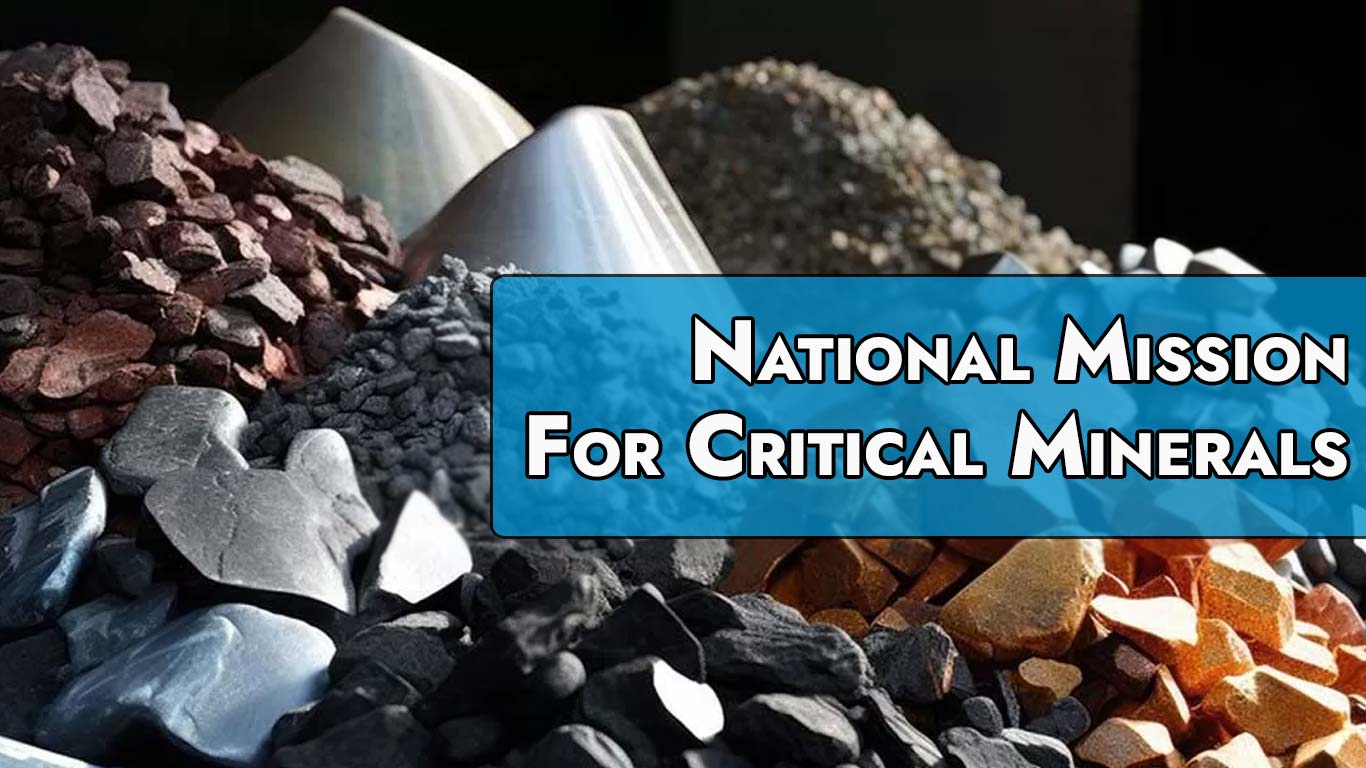
In the 21st century, oil is no longer the only resource shaping geopolitics. A new race has emerged one cantered around critical mineral such as lithium, cobalt, nickel, graphite, copper, and rare earth elements. These materials are now the backbone of modern technology, powering electric vehicles (EVs), artificial intelligence systems, semiconductors, renewable energy infrastructure, batteries, and advanced defense systems.
As nations rush toward clean energy transitions and technological dominance, competition over these resources is becoming one of the defining political and economic stories of the decade. Governments are increasingly treating minerals as strategic national assets rather than simple commodities. This growing trend is known as resource nationalism when countries tighten control over natural resources to protect domestic interests, boost local industries, or gain geopolitical leverage.
The global battle for critical minerals is rapidly reshaping international relations, trade alliances, manufacturing strategies, and economic security. What once seemed like a mining issue has now become a global power struggle.
Why Critical Minerals Matter More Than Ever
Critical minerals are essential because modern economies cannot function without them. Lithium powers EV batteries. Rare earth elements are used in wind turbines, smartphones, and military equipment. Copper is vital for electrical infrastructure, while nickel and cobalt are central to energy storage technologies.
The rise of electric vehicles alone has dramatically increased global demand. Governments across the world are pushing aggressive climate targets, encouraging consumers to switch from gasoline-powered vehicles to electric transportation. This transition requires enormous quantities of battery materials.
At the same time, artificial intelligence and advanced computing industries are creating new demand for semiconductors and high-performance electronic components, many of which depend on rare earth elements and specialized metals.
According to international energy forecasts, demand for lithium could increase several times over the next decade, while copper shortages are becoming a major concern for manufacturers worldwide. The clean-energy revolution is therefore impossible without stable mineral supply chains.
China’s Dominance in the Mineral Supply Chain
No country has positioned itself more strategically in this sector than China. Over the past two decades, China invested heavily in mining operations, mineral processing facilities, battery manufacturing, and global supply-chain infrastructure.
Today, China dominates multiple parts of the critical mineral ecosystem:
- Large control over rare earth processing
- Major investments in African cobalt mining
- Significant influence in global battery manufacturing
- Advanced refining capabilities for lithium and graphite
- Strong government-backed industrial policy
While some minerals are mined in countries like Australia, Chile, and the Democratic Republic of Congo, many are still processed in China before being used in global manufacturing.
This concentration of power has alarmed Western governments. The United States, European Union, Japan, and other nations increasingly fear that dependence on China for critical minerals could create economic and national-security vulnerabilities.
As geopolitical tensions between China and the West rise, mineral supply chains are becoming highly politicized.
The Rise of Resource Nationalism
In response to growing global demand, resource-rich countries are beginning to assert greater control over their mineral wealth.
Governments in Latin America, Africa, and Southeast Asia are introducing new regulations that include:
- Export restrictions on raw minerals
- Higher mining taxes and royalties
- Requirements for domestic processing
- State ownership stakes in mining projects
- Strategic partnerships with foreign investors
The goal is simple: instead of exporting raw materials cheaply, countries want to build domestic industries, create jobs, and capture greater economic value.
Indonesia provides one of the clearest examples. The country banned exports of raw nickel ore to encourage companies to build processing facilities locally. As a result, Indonesia has rapidly become a global hub for nickel refining and battery-related investment.
Similarly, Chile and Mexico have debated stronger state involvement in lithium production, viewing the mineral as a strategic national asset tied to future economic growth.
African nations are also seeking better deals from multinational mining corporations after decades of criticism that resource wealth benefited foreign companies more than local populations.
This new wave of resource nationalism is changing how global corporations operate and forcing companies to rethink supply-chain strategies.
The United States and Europe Fight Back
Western economies are now aggressively trying to reduce dependence on Chinese-controlled supply chains.
The United States has launched major initiatives to support domestic mining, battery manufacturing, and semiconductor production. Through industrial policies and subsidies, Washington aims to rebuild strategic industries and secure reliable access to critical minerals.
The European Union is taking similar steps through policies designed to strengthen domestic supply chains and diversify imports. European leaders recognize that energy transition goals could fail if mineral shortages disrupt production.
Governments are now signing international partnerships with mineral-rich nations across Africa, Latin America, and Australia. Strategic alliances are becoming increasingly important in securing long-term supply agreements.
This competition has transformed minerals into a major geopolitical tool. Countries are no longer just trading commodities; they are competing for technological leadership and economic influence.
Africa Becomes a Strategic Battleground
Africa holds some of the world’s largest reserves of cobalt, copper, manganese, graphite, and rare earth minerals. As global demand rises, the continent is becoming central to the future of the global economy.
The Democratic Republic of Congo alone produces a majority of the world’s cobalt a critical material for EV batteries. Countries such as Zambia, Namibia, Tanzania, and South Africa are also attracting increasing international attention.
China has already established a strong presence in African mining through infrastructure investment, loans, and long-term partnerships. Western nations are now attempting to strengthen their own relationships across the continent.
This growing competition raises important questions:
- Will African countries benefit fairly from their resources?
- Can mining development create sustainable economic growth?
- How will environmental and labour concerns be addressed?
- Could geopolitical competition increase instability?
Many African leaders are pushing for a model that includes local processing, manufacturing, and industrial development rather than simple resource extraction.
Environmental Concerns and the Green Transition Paradox
One of the biggest contradictions in the clean-energy movement is that building a greener future requires intensive mining activity.
Electric vehicles, solar panels, wind turbines, and battery storage systems all depend on massive mineral extraction. Expanding mining operations can lead to:
- Water shortages
- Deforestation
- Pollution
- Habitat destruction
- Human-rights concerns
- Community displacement
This creates a difficult challenge for governments and corporations. While renewable energy is promoted as environmentally friendly, the supply chains behind green technology can still carry major environmental and ethical costs.
Mining projects are increasingly facing public opposition, stricter regulations, and legal battles. Companies are therefore investing in recycling technologies and alternative battery chemistries to reduce pressure on raw-material demand.
Sustainability is becoming a competitive advantage in the mineral industry.
Technology, AI, and the Semiconductor Race
The importance of critical minerals extends far beyond electric vehicles. Artificial intelligence, defense technology, aerospace systems, robotics, and semiconductors all depend on specialized materials.
The global semiconductor race has intensified strategic competition between the United States and China. Advanced chips require highly sophisticated manufacturing processes and access to specialized raw materials.
AI infrastructure also consumes enormous amounts of energy and hardware resources. Data centers, high-performance processors, and advanced computing systems rely on stable mineral supply chains.
This means the future of AI leadership is increasingly connected to mineral security.
The countries that control mineral processing and advanced manufacturing could gain enormous geopolitical influence in the coming decades.
The Economic Risks Ahead
While demand for critical minerals is rising rapidly, supply growth faces major obstacles.
Mining projects often take years to develop because of:
- Regulatory approvals
- Environmental reviews
- Infrastructure limitations
- Political instability
- High investment costs
At the same time, geopolitical tensions could disrupt trade routes or trigger export restrictions.
These risks are creating fears of future supply shortages and price volatility. Industries dependent on batteries and advanced electronics may face rising production costs if supply chains remain unstable.
Investors are therefore pouring billions into mining companies, recycling technologies, and alternative material research.
The mineral economy is becoming one of the most important investment themes globally.
A New Era of Geopolitical Competition
The race for critical minerals is not simply about economics. It is about power.
In previous decades, oil-producing nations shaped global politics. Today, countries rich in lithium, cobalt, rare earths, and nickel are gaining strategic importance.
Governments increasingly view supply chains as national-security assets. Economic policy, trade policy, industrial policy, and foreign policy are becoming deeply interconnected.
This shift is accelerating the move toward a more fragmented and competitive global system where nations prioritize self-reliance and strategic control over key industries.
The era of unrestricted globalization is evolving into a new age of economic nationalism.
Conclusion: The Future Will Be Built on Minerals
Critical minerals are becoming the foundation of the modern global economy. From electric vehicles and renewable energy to AI systems and military technology, these resources will shape the industries that define the future.
As demand surges, resource nationalism is transforming international politics, trade relationships, and economic strategy. Nations are competing not only for access to resources but also for control over supply chains, processing capabilities, and technological leadership.
The coming decade will likely witness increasing geopolitical rivalry, new economic alliances, and intense competition over mineral-rich regions.
The countries that successfully secure sustainable, resilient, and ethical mineral supply chains may emerge as the dominant powers of the next industrial era.
In many ways, the future of global influence may no longer be determined by oil fields alone but by lithium mines, rare earth processing plants, and the race to power the technologies of tomorrow.
.