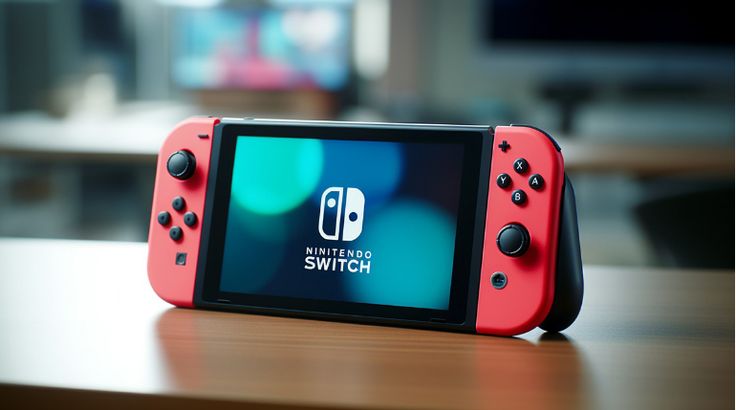
Nintendo just made the Switch 2 a little harder to swallow.
The company’s latest pricing move is putting more pressure on gamers who were already debating whether the new console justified the jump from the original Nintendo Switch. A $50 price increase across the U.S., Canada and Europe changes the conversation significantly, especially for players who have been waiting for the next-generation Nintendo console to become an obvious upgrade rather than an expensive temptation.
The Switch 2 was already positioned as a major step forward for Nintendo’s hybrid gaming formula. It brings a larger display, substantially more memory, 256GB of internal storage, improved processing performance and support for higher-resolution output, including 4K in supported scenarios. On paper, this is much more than a routine hardware refresh.
But specifications are only one part of the equation. For consumers, the bigger question is whether those improvements translate into enough real-world value to justify paying more.
Nintendo Switch 2 Gets More Expensive
Price has always been one of Nintendo’s strongest selling points. The original Switch became a global phenomenon partly because it offered something different from traditional gaming consoles: the ability to move seamlessly between television gaming and handheld play.
The Switch 2 takes that concept further with more powerful hardware, better graphics and a larger screen. However, the latest price increase means potential buyers now have to reconsider the value proposition.
A $50 increase may not sound dramatic in isolation, but it matters when consumers are already paying for games, accessories, storage and online services. The actual cost of entering the Nintendo ecosystem can quickly become considerably higher than the console’s advertised price.
For families and casual gamers, that difference could be enough to delay an upgrade. For dedicated Nintendo fans, however, the equation may look very different.
What Makes the Switch 2 Different?
The Switch 2 represents a significant technical evolution compared with the original Switch.
One of the most noticeable upgrades is the larger screen, which gives handheld gaming a more immersive feel. Nintendo has also increased internal storage to 256GB, giving players considerably more space for digital games and downloadable content.
The hardware improvements are even more important beneath the surface. More RAM and a faster processor allow the Switch 2 to handle more demanding games while improving loading times and overall system performance.
There is also support for 4K output when the console is connected to a compatible display. That gives Nintendo a stronger position against competing gaming hardware and makes the Switch 2 more attractive to players who care about visual quality.
In other words, Nintendo is no longer simply selling the same hybrid concept with a slightly better screen. It is attempting to establish the Switch 2 as a genuine next-generation gaming platform.
The Trade-Off: More Power, Less Portability?
Here is where the decision becomes more complicated.
The original Switch succeeded because portability was central to its identity. Players could use it at home, on a flight, during a commute or while travelling. The Switch 2 continues the hybrid concept, but its larger hardware footprint and changes to battery performance raise questions about how much convenience users are willing to sacrifice for additional power.
Shorter battery life is particularly important for handheld gamers.
A console can have better graphics, faster loading and more powerful hardware, but those benefits matter less when users constantly have to search for a charger. For someone who primarily plays at home, this may barely matter. For frequent travellers, it could become one of the most important factors in the buying decision.
That creates an interesting divide between two types of Switch 2 customers: players who see it primarily as a next-generation home console and players who bought the original Switch because it was exceptionally portable.
Is 256GB Storage Enough?
Storage is another area where the Switch 2 improves considerably.
The jump to 256GB gives players much more breathing room than the original Switch’s limited internal storage. Digital gaming has become increasingly important, and larger modern games can consume substantial amounts of storage.
Still, serious digital buyers may eventually need additional storage.
As game sizes continue to grow, even 256GB can disappear faster than expected. This is particularly relevant for players who prefer keeping a large library installed rather than repeatedly deleting and reinstalling games.
The storage upgrade is therefore meaningful, but it does not necessarily eliminate the long-term storage problem for heavy users.
The Real Value Is in the Games
Hardware specifications rarely determine whether a console succeeds on their own.
Nintendo’s biggest advantage has always been its software ecosystem. Franchises such as Mario, Zelda, Pokémon, Animal Crossing and Mario Kart have created a level of brand loyalty that competitors struggle to replicate.
That is why the Switch 2 conversation cannot simply be reduced to processor speed, RAM or screen size.
If Nintendo continues delivering exclusive games that take advantage of the new hardware, the price increase becomes easier to justify. A gamer may be willing to spend more on a console if it provides access to experiences they cannot get elsewhere.
This is where Nintendo has historically been exceptionally strong.
The company does not necessarily need to win the specification race. It needs to convince consumers that the games available on its platform are worth owning the hardware for.
Should You Buy the Nintendo Switch 2?
For existing Switch owners, the decision is relatively straightforward: look at what you actually play.
If your current Switch still handles your gaming needs, there may be little reason to upgrade immediately. But if you want better performance, faster loading, improved visuals, more storage and access to newer games designed around the Switch 2, the upgrade becomes considerably more compelling.
For first-time Nintendo buyers, the decision is different.
The Switch 2 is increasingly becoming the entry point into Nintendo’s current hardware ecosystem. If you are already interested in Nintendo exclusives and want a hybrid console, paying more for the newer platform may make more sense than buying older hardware.
The biggest question is not whether the Switch 2 is better than the original Switch. It clearly is.
The question is whether it is $50 more valuable than it was before.
Nintendo Is Betting on Premium Value
Nintendo’s pricing strategy suggests the company believes consumers will pay more for a stronger, more capable hybrid console.
That is a significant shift in positioning.
Nintendo has traditionally occupied a different space from Sony and Microsoft, competing through unique hardware concepts and exclusive software rather than simply chasing maximum graphical performance.
The Switch 2 continues that philosophy, but with a more premium hardware proposition.
The challenge is making sure consumers do not feel that Nintendo is charging more simply because demand is strong. The company will need to keep demonstrating that the additional investment brings meaningful improvements to the overall gaming experience.
The Bottom Line
The Nintendo Switch 2 is undoubtedly a more capable machine than its predecessor. A larger screen, more RAM, 256GB storage, improved performance, faster loading and higher-resolution output make it a substantial upgrade on paper.
But the higher price changes the calculation.
For dedicated Nintendo fans, the upgrade may still be an easy decision. For casual players, existing Switch owners and people who primarily value portability, the case is less obvious.
Ultimately, the Switch 2 is entering a market where consumers are becoming increasingly selective about expensive technology purchases. Better hardware alone may not be enough.
Nintendo will have to prove that the games, experience and flexibility of the Switch 2 are worth the premium.
And that leaves gamers with one very simple question:
Would you still buy the Nintendo Switch 2 after the price increase? 🎮