In a world where sneakers have become more than just footwear, buying directly from a brand can offer an experience that goes far beyond the product itself. Nike, one of the most recognisable names in global sportswear, has built its reputation around innovation, performance, culture, and personal expression. From professional athletes to everyday sneaker enthusiasts, millions of consumers choose Nike for its combination of functional design and iconic style. But when the same shoes appear across multiple online marketplaces and retail stores, an important question arises: why buy directly from Nike when you can find its products elsewhere?
The answer lies in more than convenience. Shopping through Nike’s official website or app can offer access to exclusive product releases, a more direct connection with the brand, personalised shopping tools, and a clearer understanding of the products being purchased. For consumers who value authenticity, product information, and the overall shopping experience, buying directly from Nike can be a meaningful choice. However, the real value depends on what a shopper prioritises, because the official store is not automatically the cheapest option for every product.
Authenticity Starts with Buying from the Source
One of the biggest reasons consumers consider purchasing directly from Nike is confidence in product authenticity. The popularity of Nike sneakers, particularly limited-edition collaborations and iconic silhouettes, has created a resale market where counterfeit products can sometimes appear alongside genuine items. For shoppers investing in premium trainers, running shoes, or exclusive streetwear, knowing where a product comes from matters just as much as how it looks.
Purchasing through Nike’s official website or app removes much of the uncertainty associated with unfamiliar sellers. Customers can browse products presented by the brand itself, review official descriptions, and access information about materials, sizing, performance features, and intended use. This is especially valuable when buying technically designed footwear, such as running shoes with specialised cushioning or training shoes developed for particular types of movement. Rather than relying entirely on a third-party listing, shoppers can make decisions using information supplied directly by the manufacturer.
Of course, authorised retailers can also sell genuine Nike products, and a reputable sportswear store may provide an equally trustworthy purchase. The distinction is that buying directly gives consumers a straightforward route to the original source. For people who want to minimise uncertainty and feel confident about what they are paying for, that reassurance can be worth considering.
Access to Exclusive Releases and Limited-Edition Sneakers
Nike has long understood that consumers do not always purchase sneakers purely for their practical value. Certain shoes become cultural objects, representing sporting achievements, fashion movements, collaborations, and moments in popular culture. Limited releases and highly anticipated collections can attract attention from sneaker collectors and casual buyers alike, turning a product launch into an event.
Buying through Nike’s official channels can provide access to selected launches, special collections, and app-based release experiences. Depending on the product and market, shoppers may encounter early access opportunities, launch notifications, or purchasing systems designed for limited-stock releases. The Nike SNKRS app, for example, serves as an important destination for selected sneaker launches and exclusive footwear releases in supported regions.
For consumers who follow sneaker culture closely, this direct access can make a difference. Instead of discovering a release only after it has sold out elsewhere, shoppers can monitor upcoming launches and learn about the stories behind particular designs. Collaborations with athletes, designers, and cultural figures can also make certain products more meaningful to collectors who appreciate the creative process behind a shoe.
However, exclusivity does not guarantee availability. Popular launches may sell out quickly, and access to specific products varies by location and release. Buying directly from Nike improves access to official launch information, but it cannot guarantee that every shopper will secure a pair.
A Better Way to Understand the Product Before Buying
Online shopping has made it easier than ever to compare products, yet it can also leave consumers overwhelmed by similar-looking options. Nike offers an extensive range of footwear and apparel designed for different activities, from everyday walking and casual wear to competitive running, basketball, gym training, and outdoor sports. Choosing the right product requires more than recognising a familiar logo.
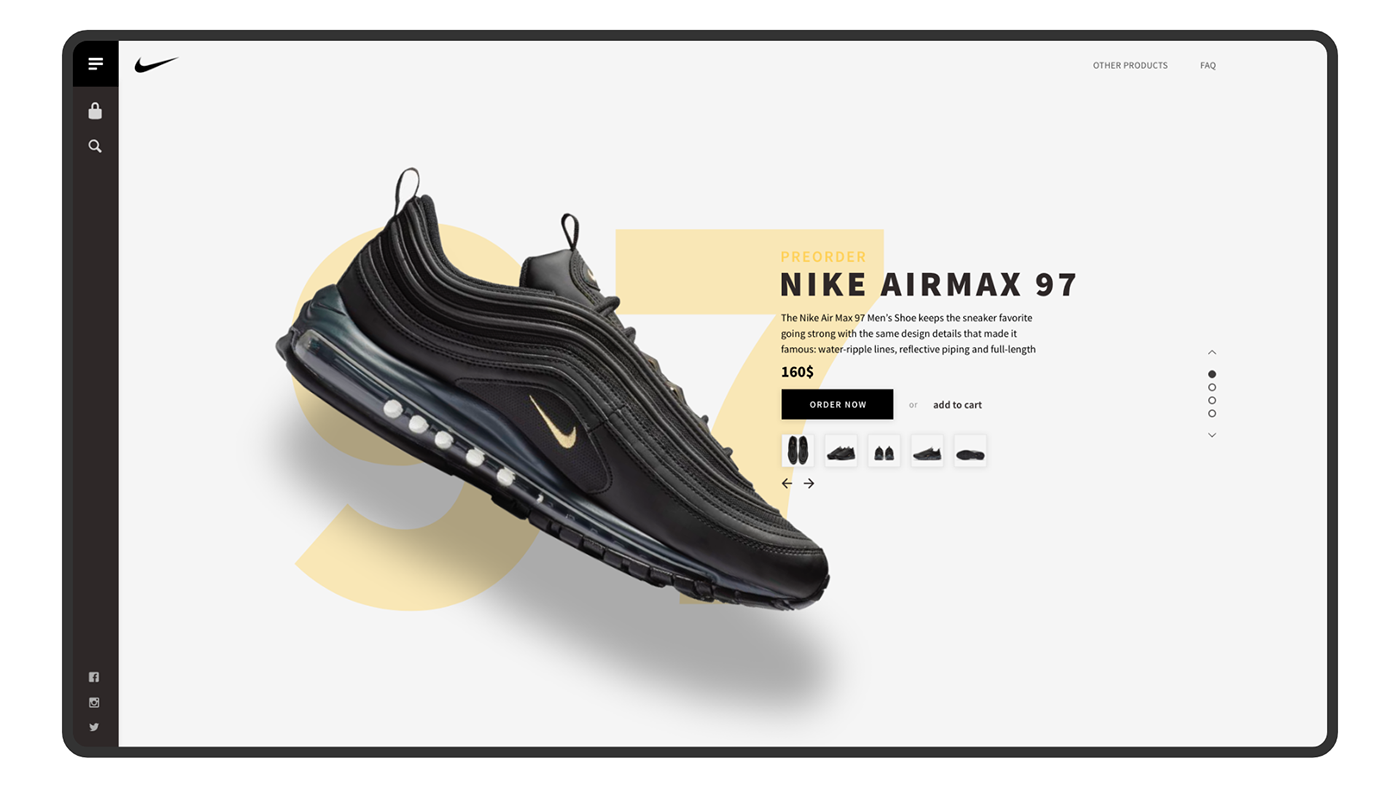
The official Nike shopping experience helps customers explore product specifications, design details, available colourways, and intended uses. Depending on the product, shoppers may also find information about cushioning systems, support, traction, upper materials, and other construction features. These details can help buyers understand why one pair of running shoes may be designed differently from another, even when both belong to the same brand.
Consider a consumer choosing between lifestyle sneakers and running footwear. A lifestyle shoe might prioritise appearance, versatility, and everyday comfort, while a running model may focus on cushioning, stability, weight, and responsiveness. Understanding these differences can prevent shoppers from purchasing a visually appealing shoe that does not suit their actual needs.
Nike’s official product pages are not the only source of useful information, of course. Independent reviews and comparisons can offer valuable real-world perspectives on comfort, durability, and fit. The most informed decision often comes from combining the manufacturer’s specifications with customer experiences rather than relying on a single source.
Personalisation Makes Shopping Feel More Relevant
Modern retail is increasingly moving away from the idea that every customer should experience the same shopping journey. Consumers expect recommendations that reflect their interests, convenient access to relevant products, and tools that help them navigate large catalogues. Nike’s digital platforms reflect this shift by bringing product discovery, selected membership features, and brand content into a connected shopping environment.
Depending on the market and available features, Nike members may receive personalised product recommendations, relevant notifications, training-related content, and updates about selected launches. These features can make it easier for regular customers to discover new collections without repeatedly searching through the entire website. Someone interested in running, for instance, may find it more useful to explore running-specific products than to browse every category from basketball shoes to lifestyle apparel.
This approach also reflects a broader change in consumer behaviour. Shoppers increasingly expect brands to understand their preferences and offer more relevant experiences across websites, apps, and digital communications. Personalisation can reduce the time spent searching for products while making the shopping journey feel more connected to an individual’s interests.
Still, personalisation is a convenience rather than a necessity. Customers who prefer minimal notifications or who enjoy comparing products across multiple stores may find little reason to remain within one brand’s ecosystem. The advantage is strongest for people who already purchase Nike products regularly and appreciate having relevant information in one place.
Understanding Nike Membership and Customer Benefits
Another reason to buy directly from Nike is the opportunity to access its membership ecosystem. Nike Membership is generally free to join in supported markets, although the specific benefits, eligibility requirements, and services can vary by country. Depending on local availability, members may receive access to selected products, special offers, launch information, personalised content, and certain shopping or service benefits.
For frequent customers, membership can make the relationship with the brand feel more continuous. Instead of visiting the website only when a particular pair of shoes needs replacing, shoppers can stay informed about new collections, upcoming releases, and products that fit their interests. The experience becomes less about a single transaction and more about ongoing engagement with the brand.
However, consumers should distinguish between membership access and guaranteed financial savings. A free membership does not necessarily mean that every product is discounted, that every launch is available to every member, or that every benefit applies in every country. Shoppers should check the current terms in their local Nike store before assuming that a particular offer or service is available.
For someone who buys Nike occasionally, membership may simply be a useful extra. For a loyal customer who regularly follows new releases, training collections, or seasonal products, it can provide a more convenient way to stay connected.
Is Buying Directly from Nike More Expensive?
Price is one of the most important considerations in any online purchase, and buying directly from Nike does not always mean getting the lowest possible price. Third-party retailers may offer seasonal promotions, clearance discounts, loyalty rewards, or special deals that are unavailable on Nike’s official website. In some cases, a previous-season model may be significantly cheaper at an authorised retailer than a newer version sold directly by the brand.
At the same time, shopping directly can make price comparisons more transparent. Consumers can review the brand’s listed price, available colours, product details, and current offers without relying on a seller whose information may be incomplete. When a new collection launches, the official store can also provide a useful reference point for understanding the product’s original retail price.
The smartest approach is to compare the total purchase cost rather than focusing only on the displayed price. Shipping charges, return conditions, delivery estimates, discount eligibility, and seller reliability can all influence the real value of an order. A cheaper pair may not be the better deal if the seller is difficult to contact or the product’s authenticity is uncertain.
For shoppers purchasing standard Nike running shoes or everyday sneakers, comparing prices across reputable retailers can make financial sense. For limited releases, selected collaborations, or products that are difficult to find, buying directly may be more attractive because access and authenticity matter more than a small price difference.
Returns, Support, and the Value of Buying from the Brand
A positive shopping experience does not end when the payment is completed. Delivery updates, size-related concerns, damaged packaging, and return requests can all influence how consumers feel about a purchase. When buying directly from Nike, customers have a clear starting point for accessing the brand’s published customer service policies and seeking assistance with an order.
Nike’s return conditions, time limits, exclusions, and available services depend on the country, product, and purchase circumstances. Certain products may have different rules, and local consumer rights may also apply. Customers should therefore review the relevant policy before ordering rather than assuming that every item can be returned under identical conditions.
Buying from an independent retailer can also offer good customer service, and some stores may provide convenient exchanges or personalised assistance. The important difference is knowing which business is responsible for resolving a problem. When purchasing directly, the customer can begin with Nike’s own support channels instead of navigating between a marketplace, an individual seller, and the manufacturer.
This becomes especially relevant when buying footwear online without trying it on first. Fit and comfort can vary between models, so understanding the return policy before checkout helps shoppers make a more confident decision.
More Than Shoes: Exploring Nike’s Wider Product Ecosystem
Although Nike is widely associated with sneakers, its product range extends into sportswear, training apparel, accessories, and equipment. Shopping directly can make it easier to explore how different products work together, whether someone is building a running wardrobe, refreshing gym essentials, or looking for comfortable everyday clothing.
A customer browsing running shoes may also discover performance socks, lightweight jackets, running shorts, or other products suited to the same activity. Similarly, shoppers interested in lifestyle sneakers can explore coordinated apparel and accessories that reflect a particular aesthetic. This creates an integrated retail experience in which products are presented within a broader brand identity rather than as isolated items.
Nike’s product ecosystem also connects performance with personal style. A pair of trainers originally associated with sport may become part of everyday fashion, while technical apparel can move from the gym into casual wardrobes. For consumers who appreciate the intersection of sportswear and streetwear, the official store provides an opportunity to explore these categories in one place.
However, a coordinated collection should not automatically be treated as a reason to buy more. Consumers can get just as much value by selecting a few versatile pieces that genuinely meet their needs. The benefit of exploring the wider range lies in informed choice, not in purchasing every product that complements a particular sneaker.
Nike’s Direct-to-Consumer Strategy: Why It Matters
Nike’s official online store is also part of a larger shift in how global brands build relationships with customers. For years, many sportswear companies relied heavily on wholesale retailers and physical stores to introduce products to consumers. Digital commerce has created another route: brands can communicate directly with shoppers, present their products in their own environment, and learn from how customers interact with their digital platforms.
For Nike, direct shopping channels can bring product discovery, brand storytelling, launches, membership, and customer support closer together. A new sneaker can be presented alongside information about its design, sporting purpose, creative inspiration, or connection to a wider collection. This gives the brand greater control over how its products are introduced and experienced.
Direct-to-consumer commerce also reflects changing consumer expectations. People increasingly want to research products, compare features, receive relevant updates, and complete purchases through convenient digital experiences. For brands, the challenge is to deliver these benefits without making the experience feel overly commercial or complicated.
From a consumer’s perspective, this strategy has both advantages and trade-offs. Buying directly may provide a more cohesive brand experience, but comparing multiple retailers remains useful for finding better prices and alternative options. A successful direct-to-consumer strategy ultimately depends on whether the customer receives genuine value, not simply whether the brand controls the transaction.
So, Should You Buy Directly from Nike?
Buying directly from Nike makes the most sense for consumers who value product authenticity, want to follow official launches, appreciate detailed product information, or regularly shop through the brand’s digital platforms. It can also be a sensible choice when purchasing a new release, exploring a specialised performance product, or seeking assistance through the company’s own customer service channels.
For shoppers whose main priority is saving money, reputable third-party retailers may sometimes offer better deals. Independent reviews can provide additional insight into comfort and durability, while comparing multiple stores can reveal discounts that are not available on Nike’s website. There is no single purchasing route that is best for every product or every customer.
Ultimately, the decision comes down to what matters most to you. If you want a direct connection with the brand, straightforward access to official product information, and the opportunity to explore selected launches through Nike’s own channels, buying directly can be worthwhile. If price is your primary concern, comparing trusted retailers before checking out may be the smarter move.
The real value of buying directly from Nike is not that it is always cheaper or automatically better. It is that it gives consumers a clear, official route to the products, information, and brand experience they are looking for. In a crowded sportswear market where performance, fashion, and identity increasingly overlap, that combination can make the difference between simply buying a pair of sneakers and making a purchase with confidence.