Luxury hotels in 2026 are no longer simply about marble lobbies, oversized suites, or a famous address. The new language of luxury hospitality is more personal: a sense of place, discreet service, architecture with a point of view, exceptional dining, and experiences that feel difficult to replicate anywhere else.
That shift is visible in this year’s global hotel landscape. The World’s 50 Best Hotels 2026 list, announced in September, placed properties across 22 territories and six continents, with Asian hotels particularly prominent at the top. Rosewood Hong Kong retained the No. 1 position, while Capella Bangkok and Four Seasons Bangkok at Chao Phraya River followed closely behind.
Here are five hotels that capture different sides of modern luxury in 2026 from urban glamour and riverside serenity to historic European grandeur.
1. Rosewood Hong Kong : Where the City Becomes Part of the Experience
There are hotels that give you a beautiful room, and then there are hotels that make their destination part of the room. Rosewood Hong Kong belongs firmly in the second category. Set on the Victoria Harbour waterfront in Kowloon, the hotel brings together Hong Kong’s intense energy with the quieter atmosphere expected from contemporary luxury hospitality.
In 2026, Rosewood Hong Kong again occupies the top spot on The World’s 50 Best Hotels list, making it the world’s No. 1 hotel for the second consecutive year. The recognition is notable because the ranking is based on votes from an international academy of hospitality experts rather than a traditional star classification.
What makes the property particularly compelling is its relationship with the city. Instead of trying to isolate guests from Hong Kong, the hotel frames the destination through architecture, views, dining and atmosphere. From its position overlooking Victoria Harbour, the skyline becomes almost an extension of the hotel’s interiors.
The experience also reflects a broader trend in luxury travel: design is becoming storytelling. A memorable hotel is expected to communicate something about where it is, rather than looking interchangeable with a luxury property in another country.
For travellers who want Hong Kong at its most polished but still want to feel the pulse of the city Rosewood offers a sophisticated interpretation of urban hospitality.
2. Capella Bangkok : Riverside Luxury With a Sense of Calm
Bangkok has never lacked spectacular hotels, but Capella Bangkok approaches luxury differently. Located along the Chao Phraya River, the property is designed around intimacy, privacy and the atmosphere of the riverfront rather than the spectacle of a conventional mega-resort.
The result feels closer to a private sanctuary within one of Asia’s busiest capitals.
Capella Bangkok ranked No. 2 in The World’s 50 Best Hotels 2026, while its 101 suites and villas are designed to make the Chao Phraya a central element of the stay. The hotel also received Five-Star recognition for both its hotel and spa from Forbes Travel Guide in 2026.
Its appeal is particularly clear in the way it approaches wellness and culture. The hotel’s Auriga Wellness experience sits alongside restaurants, riverside spaces and programming inspired by Thai traditions. Guests can encounter elements of local culture without leaving the property feeling as though they are following a tourist checklist.
Dining is another major part of the story. Côte by Mauro Colagreco holds two Michelin stars in the 2026 Michelin Guide, adding serious culinary credentials to the hotel’s already extensive hospitality offering.
Capella Bangkok represents a version of luxury that does not need to shout. The atmosphere is polished, but the design leaves space for nature, water and quiet moments.
In a city famous for movement and energy, that sense of calm may be the most luxurious feature of all.
3. Four Seasons Bangkok at Chao Phraya River : Contemporary Grandeur
Just as Capella Bangkok demonstrates the power of intimacy, Four Seasons Bangkok at Chao Phraya River demonstrates what happens when contemporary architecture, art, dining and resort-style hospitality are combined on a much larger canvas.
The property claimed No. 3 on The World’s 50 Best Hotels 2026, placing two Bangkok hotels directly behind Rosewood Hong Kong in the global top three.
Its riverside setting is central to the experience. Rather than treating the Chao Phraya as simply a scenic backdrop, the hotel uses the river to shape the rhythm of the property — from outdoor spaces to restaurants and pools.
This is luxury designed for travellers who want options. A long weekend here can be as active or as relaxed as you want it to be: elaborate dining, wellness, art, cocktails, poolside afternoons or excursions into Bangkok.
That flexibility is increasingly important in high-end hospitality. The modern luxury traveller does not necessarily want a rigid five-star experience. They want a hotel capable of adapting to different moods within the same trip.
Four Seasons’ approach also illustrates why Bangkok has become such an important destination for luxury hospitality. The city combines historic culture, sophisticated dining, vibrant nightlife and an increasingly impressive collection of design-led hotels.
The result is a property that feels distinctly Bangkok rather than simply another Four Seasons with a different postcode.
4. Passalacqua, Lake Como : The Romance of Italian Grandeur
If the first three hotels represent the energy of Asian luxury, Passalacqua offers something entirely different: the romance of an Italian lakeside estate.
Perched above Lake Como, Passalacqua is an intimate property built around historic architecture, gardens, lake views and an atmosphere that feels deliberately removed from the pace of modern city life.
In the 2026 World’s 50 Best Hotels ranking, Passalacqua placed No. 5 globally, while also being named Best Hotel in Europe and Best Boutique Hotel for the third consecutive year.
Its appeal comes partly from scale. Rather than competing through enormous public spaces or hundreds of rooms, the hotel creates a sense of exclusivity through its more intimate character.
That distinction matters. Luxury has increasingly moved away from simply being about size. A smaller hotel can feel more extraordinary when its architecture, history and surroundings create an experience that cannot easily be reproduced.
The gardens and lake setting add another layer. Imagine starting the morning surrounded by Italian greenery, spending the afternoon beside Lake Como and returning to a historic interior in the evening. The experience is less about checking attractions off a list and more about inhabiting a particular atmosphere.
Passalacqua therefore represents one of the most enduring forms of luxury: time slowing down.
It is the kind of property where the setting does not merely decorate the hotel. The setting is the hotel.
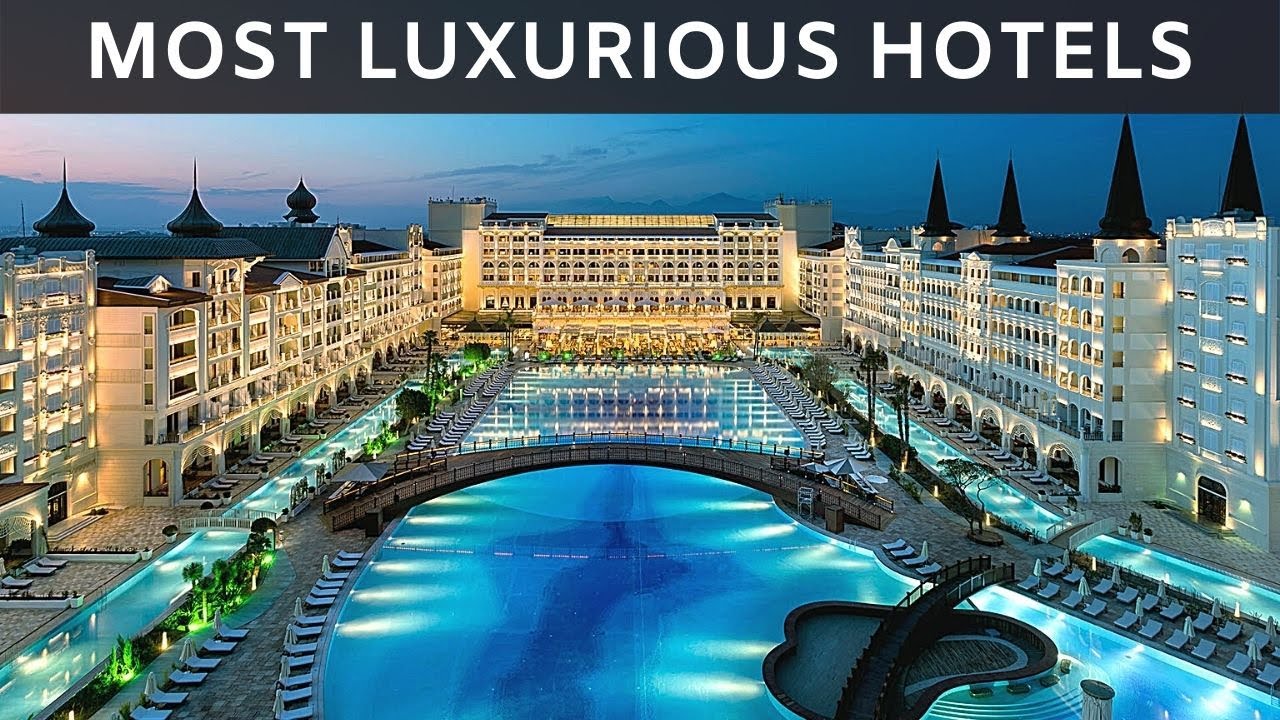
5. Mandarin Oriental Bangkok : A Heritage Icon Still Relevant in 2026
Not every luxury hotel needs to reinvent itself to remain relevant. Some become icons precisely because they preserve a distinctive identity while evolving with the expectations of modern travellers.
Mandarin Oriental Bangkok is one of those properties.
The hotel ranked No. 10 in The World’s 50 Best Hotels 2026, placing it among the leading hotels globally and reinforcing Bangkok’s remarkable presence on this year’s list.
Its history is part of the appeal, but heritage alone does not explain its continued relevance. Mandarin Oriental has built its reputation around highly personalised service, elegant surroundings and a hospitality style influenced by its Asian roots.
The broader Mandarin Oriental brand also had a notable 2026. The group reported four newly awarded Forbes Travel Guide Five-Star properties in 2026, including Mandarin Oriental Savoy, Zurich; Mandarin Oriental Qianmen, Beijing; Mandarin Oriental, Barcelona; and Emirates Palace Mandarin Oriental, Abu Dhabi.
That combination of heritage and evolution is what makes Mandarin Oriental Bangkok interesting in today’s luxury market. It does not need futuristic architecture or an ultra-modern aesthetic to compete with newer properties.
Instead, its luxury comes through details: polished service, culinary experiences, riverside surroundings and the atmosphere of a grand hotel that has accumulated stories over generations.
It is a reminder that in hospitality, longevity can itself become a luxury asset.
The New Definition of Luxury Hospitality
Looking across these five hotels, one thing becomes clear: luxury in 2026 is becoming less about excess and more about identity.
Rosewood Hong Kong turns the city skyline into part of the experience. Capella Bangkok creates intimacy beside the Chao Phraya. Four Seasons Bangkok combines resort living with the energy of a global capital. Passalacqua transforms Lake Como into an intimate Italian escape. Mandarin Oriental Bangkok proves that heritage can remain relevant when it is supported by consistently refined hospitality.
There is also a larger geographical story here. Asia dominates the upper end of the 2026 World’s 50 Best Hotels ranking, with Bangkok, Hong Kong, Beijing and Tokyo all represented prominently near the top. The list includes 18 Asian properties overall, according to reporting on the 2026 results.
At the same time, European destinations continue to demonstrate the enduring appeal of heritage, architecture and sense of place. Passalacqua, Four Seasons Firenze, Claridge’s, Hôtel de Crillon and Le Bristol Paris all feature within the top 20.
The most interesting development, however, is how luxury hotels are becoming destinations in themselves.
Travellers are no longer necessarily choosing a hotel simply because it is close to a landmark. Increasingly, the hotel can be the landmark. Its restaurant can be the dinner reservation. Its spa can be the wellness destination. Its architecture can be part of the itinerary.
That is particularly important for the next generation of luxury travellers, who are often looking for something beyond visible wealth. They want privacy without isolation, technology without losing human service, wellness without sacrificing indulgence, and design that feels connected to the destination.
The world’s most compelling hotels are responding by creating experiences rather than simply selling rooms.
A Final Word on Luxury in 2026
The five hotels above represent very different interpretations of luxury, yet they share one underlying principle: the most memorable stays are rarely about having more — they are about feeling more connected to a place.
Whether that means watching Hong Kong’s skyline from Victoria Harbour, waking beside Bangkok’s river, experiencing the grandeur of Lake Como or stepping into the heritage of a legendary Asian hotel, today’s luxury traveller is buying something that cannot be measured entirely by thread counts or room size.
The real luxury is the feeling that, for a few days, the world has been designed around you.
“True luxury is not measured by how much a hotel gives you, but by how effortlessly it makes you feel that you belong there.”